Somewhere around October, you start saying you want a slow Sunday. Then December arrives and slow Sunday becomes errand Sunday, which becomes obligation Sunday, which becomes lying horizontal on the couch watching something you don't care about while your phone reminds you what you didn't finish.
That's not slow. That's collapse with ambient guilt.
There's a real version. It requires almost nothing — just the decision to keep one Sunday genuinely blank, and the nerve to leave it that way when it arrives.
Why Winter Specifically
Cold weather gives you permission you'd have to manufacture in June. Nobody expects a plan. The light is already low by four. Everything contracts a little: appetites, distances, the radius of what feels worth leaving the house for.
Winter Sunday has a built-in argument for staying close. Use it before February convinces you to fill it with something that looks intentional but isn't.
The Morning Has to Earn the Afternoon
Here's the part most people skip. An unscheduled day doesn't mean a shapeless one. It means the shape comes from you, not from a calendar someone else built.
Start slow but start intentional. Not scrolling in bed for forty minutes before you're technically awake. Actually getting up: bare feet on cold tile, the smell of coffee before you see it, a robe with actual weight to it. The physical specifics matter. They're the difference between a morning that holds and one that dissolves.
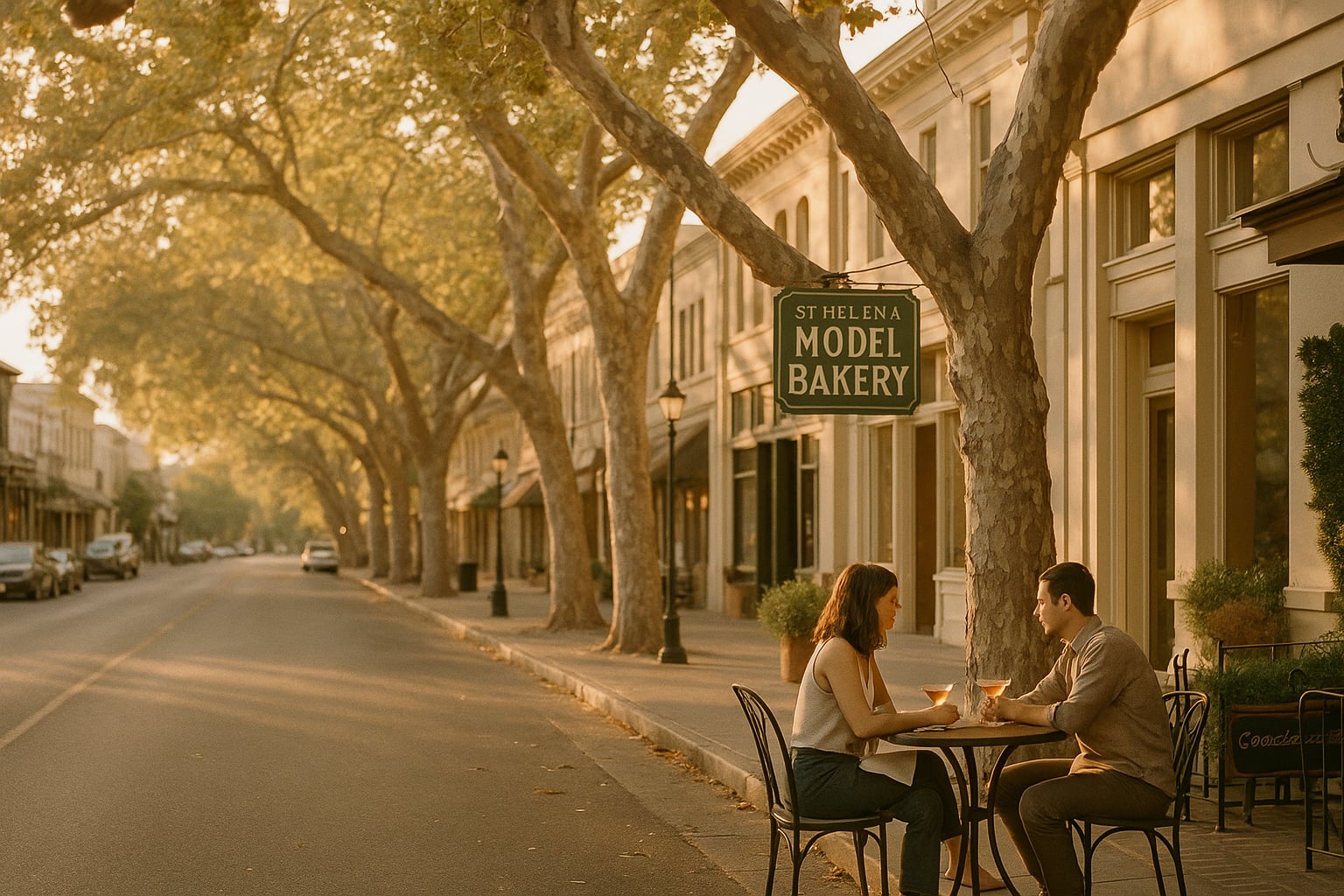
If you're in Sonoma County in January, this is embarrassingly easy. Drive through Healdsburg before the plaza fills. Get something warm from one of the bakeries. Sit outside anyway, hands wrapped around the cup, watching the bare vines run in rows toward the hill. Nobody needs you for this. That's the whole point.
You don't have to be in wine country. But you do have to be somewhere your mind doesn't automatically shift into task mode. That might take leaving your house. It might just take not opening the laptop before noon.
What Unscheduled Actually Means for Two People
If you share the day with someone, unscheduled gets complicated fast. One person's idea of slow is reading in separate rooms. The other's is finally talking about the thing you've both been steering around for three weeks.
Neither is wrong. But they're not the same day.
The agreement you need isn't about what to do. It's about what not to do. No errands. No guests. No projects that require decisions. Everything else is negotiable.
Proximity without agenda is its own kind of intimacy. You forget that when you're always planning the next thing.
— MLL
Real unscheduled Sundays with a partner often look like this: you're in the same room doing completely different things, and at some point one of you moves toward the other, and that's the whole story. Not dramatic. Not planned. Just available.
The Afternoon You Protect
By early afternoon, a properly unhurried morning has done something. Your nervous system has stopped scanning. The background list of small urgencies goes quiet. This is when the day actually begins.
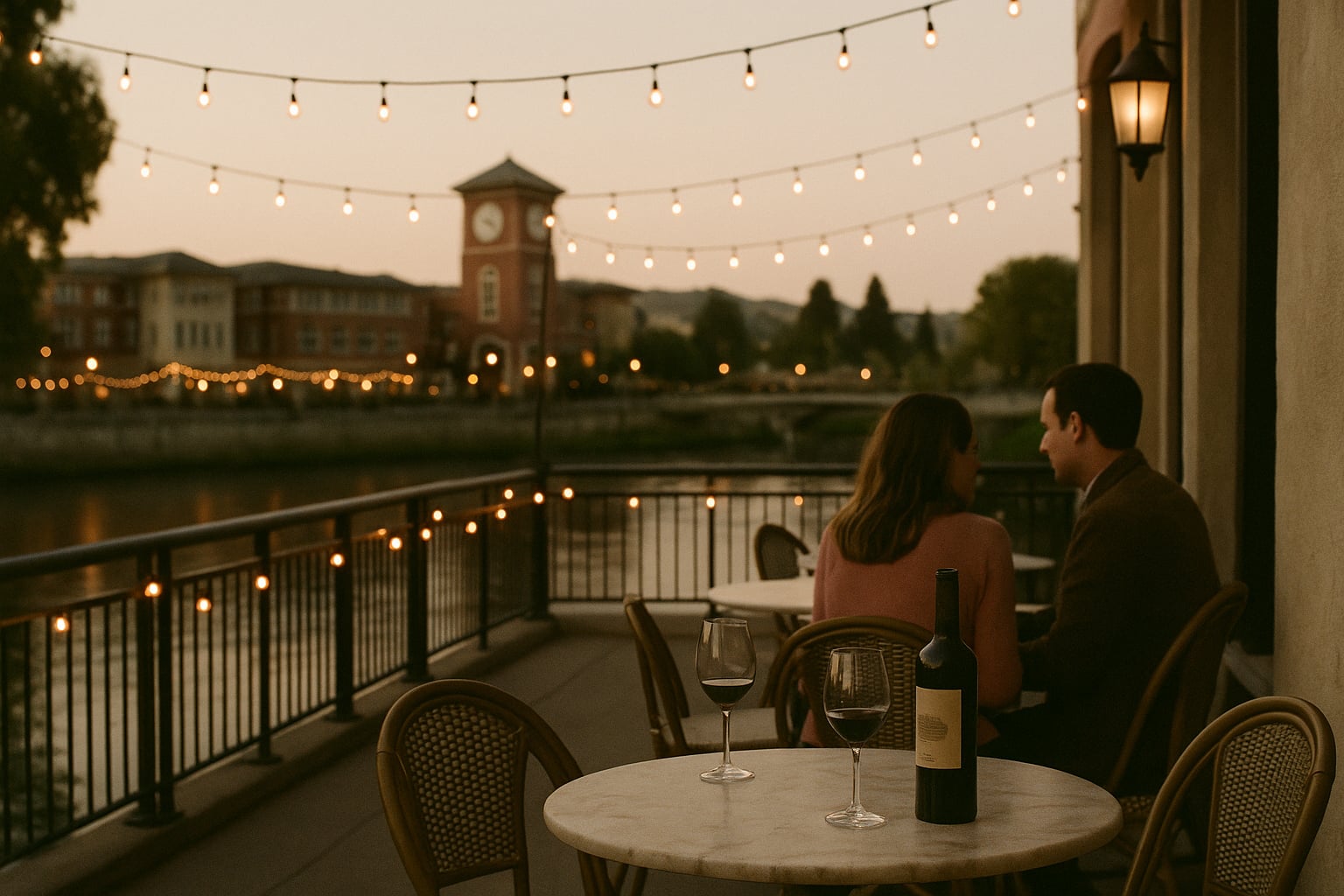
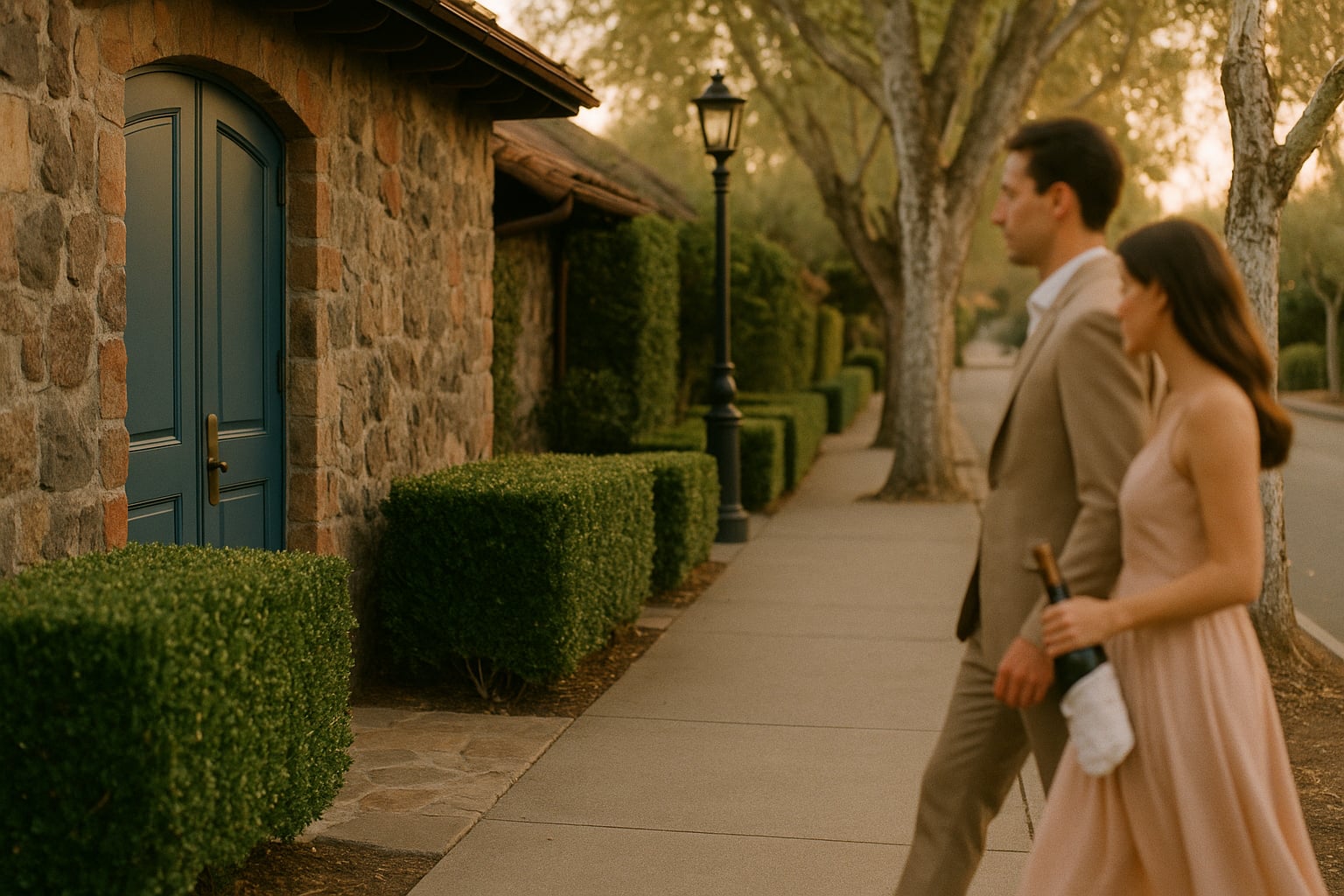
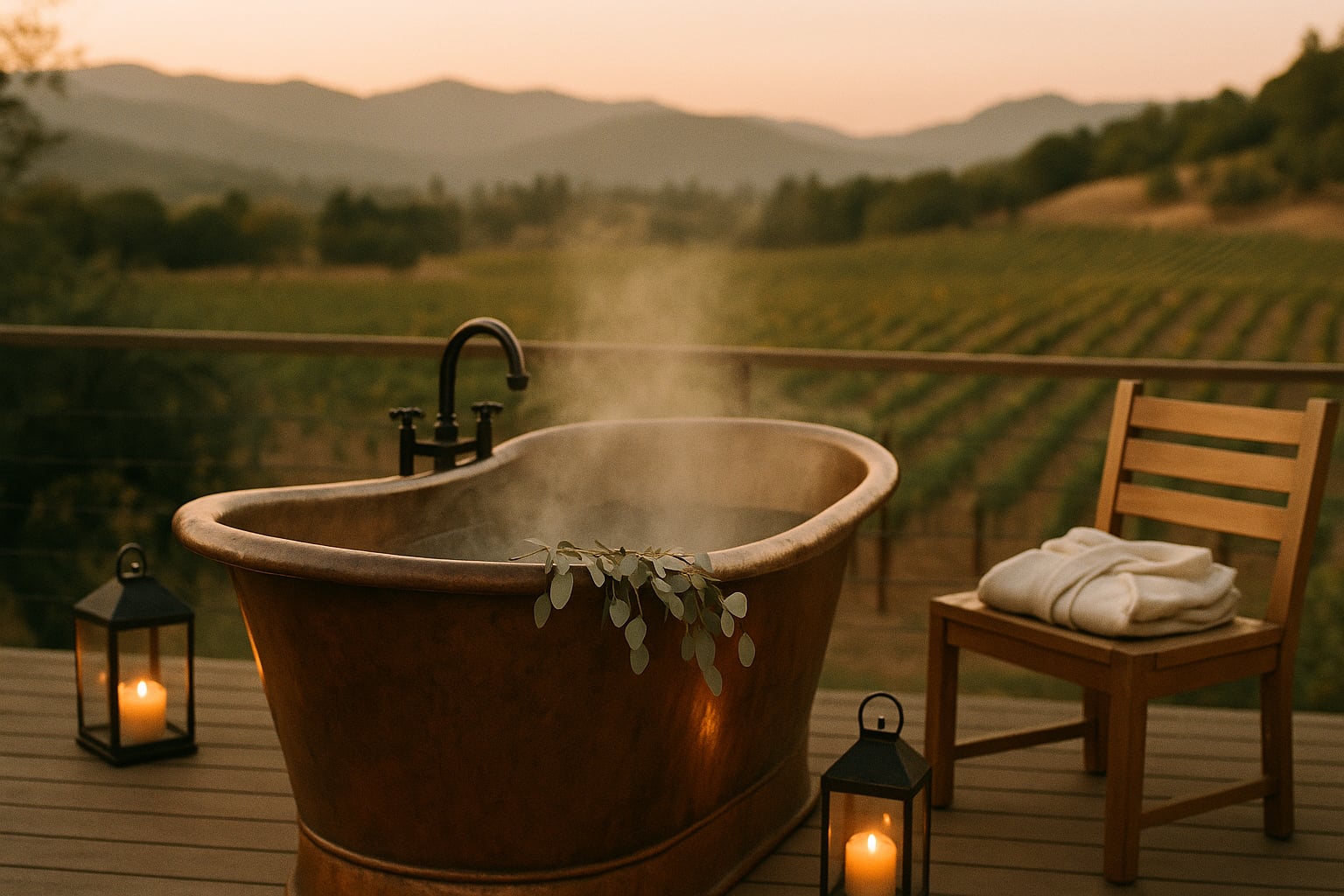
It might look like a long bath. Oil warming on the edge of the tub, steam, no phone in the room. It might look like opening the bottle you've been saving for a Tuesday-that-never-comes and drinking it on a Sunday with no occasion other than it being cold and you being home.
It might look like something that starts in the kitchen and ends in the bedroom, unhurried because there's nowhere to be after.
None of these require planning. They require having left space.
The Specific Textures Worth Noticing
The reason to pay attention to the sensory stuff isn't aesthetic. It's that your body needs evidence that the day is actually different. Not conceptually different. Physically different.
The weight of a heavier blanket in winter. The way kitchen smells change when you're cooking without a deadline. The specific quality of afternoon light in January: low, golden, brief. The sound of rain on a window when you have nowhere to go.
These aren't decorative details. They're the proof. Your body is keeping score whether you are or not.
How It Falls Apart (and How to Not Let It)
It falls apart at 11 a.m. when someone texts about brunch and you say yes because it's easier than explaining you're doing nothing. It falls apart when you check your work email 'just once' and a problem surfaces that technically can wait until Monday but now lives in your head all day. It falls apart when you decide to 'just get the laundry done' because it's right there.
Protecting the day is an active choice. Repeatedly. The morning version, the late-morning version, the after-lunch version. Each one slightly different, each one requiring the same answer.
No. Not today.
What You're Actually Practicing
One unscheduled Sunday in January doesn't fix a life that's too full. But it practices something that does: the ability to be somewhere without optimizing it.
Most of us have almost entirely lost this. We treat rest like a task. We treat pleasure like a reward we haven't quite earned yet. We treat an empty afternoon like a problem to solve rather than a thing to be inside of.
The winter Sunday with no agenda is practice at being a person, not a schedule.
Do it once. See if you remember how.
Quick Answers
How do I actually keep a Sunday unscheduled when everything feels urgent?
Block it on your calendar three weeks out so nothing else fills it first. Then treat the invitations, errands, and 'quick things' that arrive as what they are: not emergencies. Almost nothing that shows up on a Sunday morning is actually urgent. Your baseline for urgency has been miscalibrated by too many filled days.
Does an unscheduled day have to involve a partner?
No. A solo winter Sunday is its own specific thing: no performance required, no negotiation, no one else's mood in the room. Some of the most restorative versions of this day are entirely alone. The bath, the open bottle, the book you keep moving to the nightstand. Just you, the cold outside, the warm inside.
What if I feel restless or guilty doing nothing?
That feeling is information, not a reason to fill the day. The restlessness usually peaks around 90 minutes in and then dissolves. Guilt means you've tied your worth to productivity in a way worth examining slowly, on a day when you have time to examine it. The discomfort is part of the practice, not evidence you're doing it wrong.
What's a good Sonoma-area option for an unscheduled winter morning?
The Healdsburg plaza in January before 10 a.m. is genuinely quiet. Indian Springs in Calistoga has geothermal pools that feel absurd in a cold month, in the best possible way. Yountville on a weekday-slow Sunday morning has a stillness the summer crowds erase entirely. None of these require reservations, plans, or performance. Just showing up and letting the place do the work.