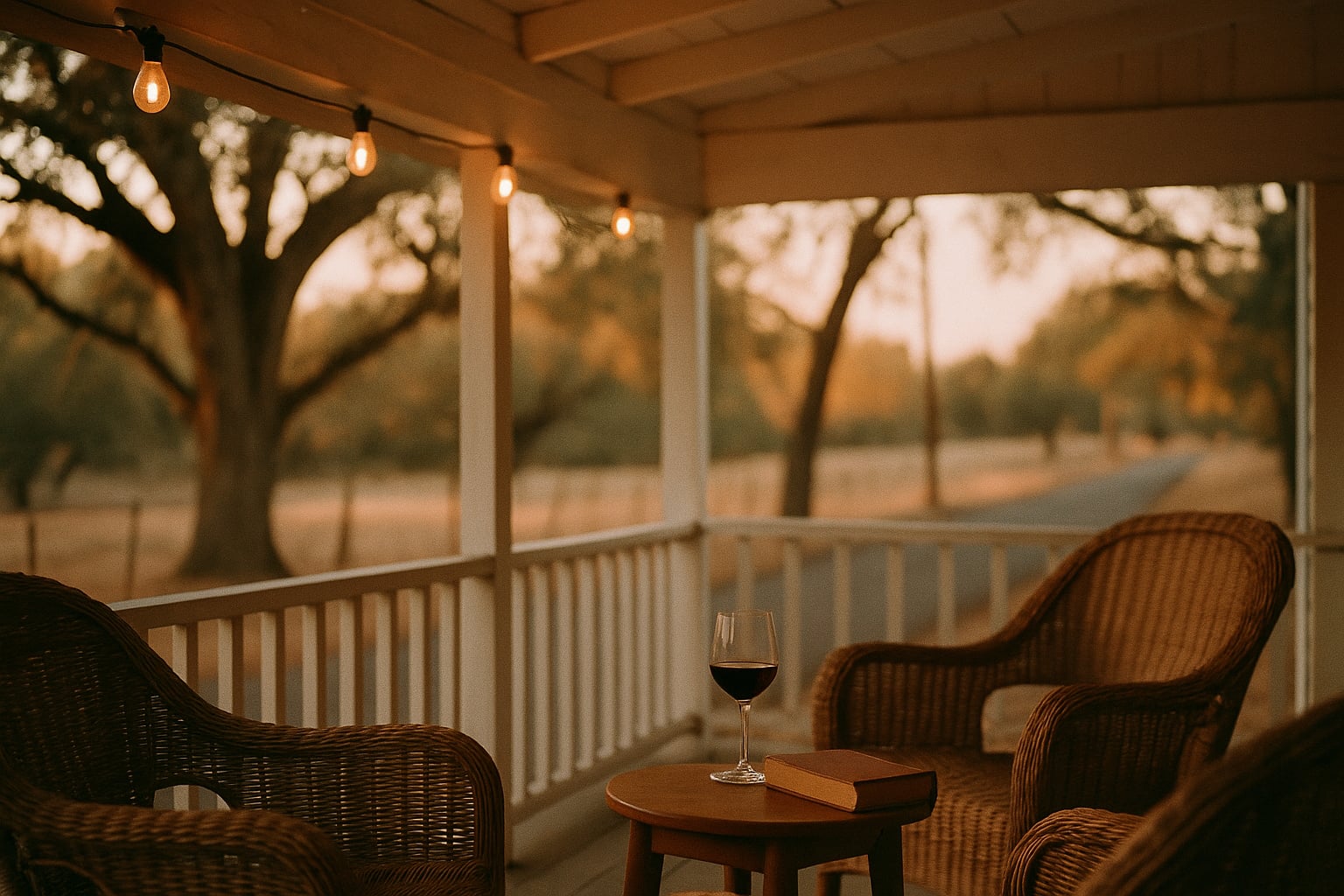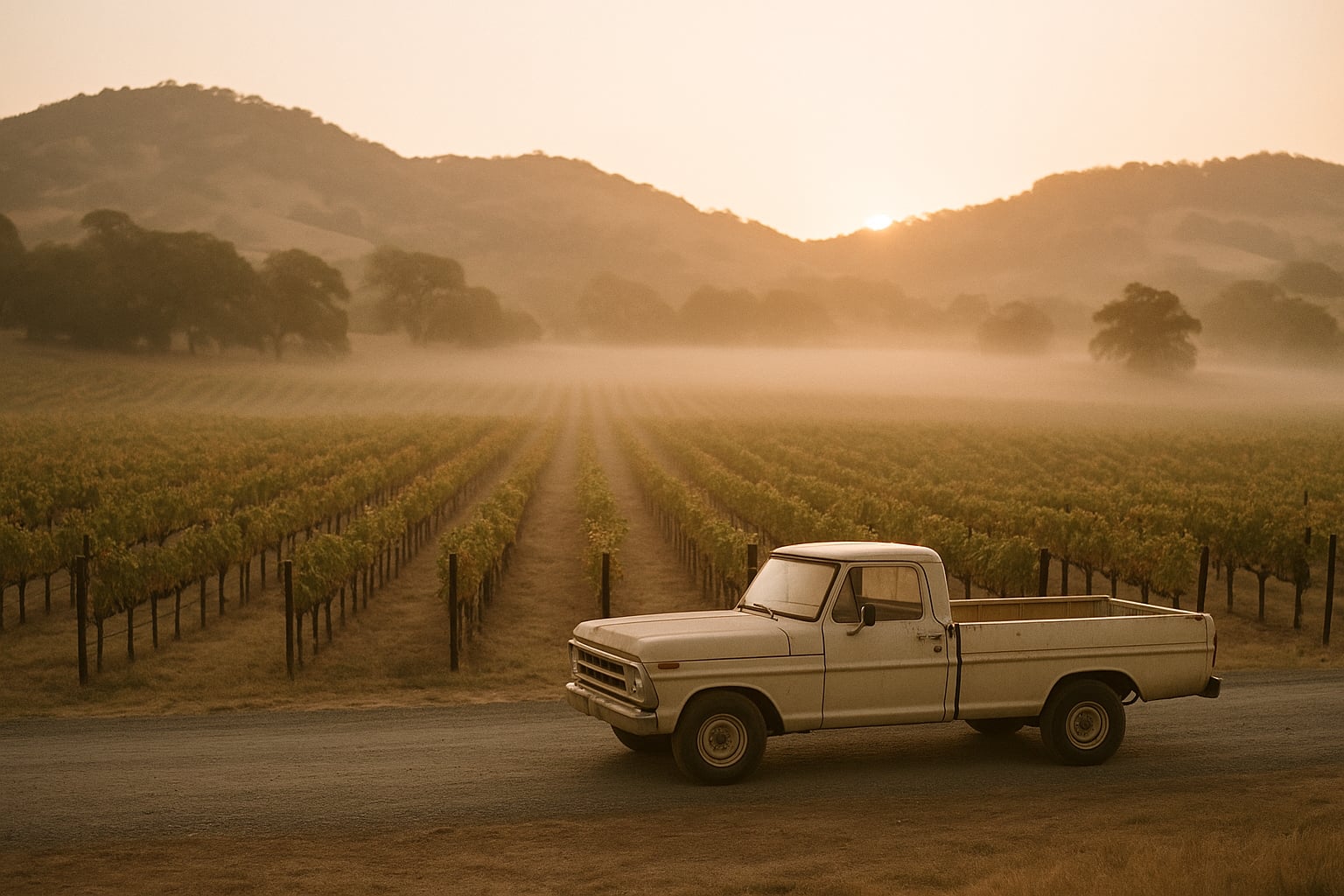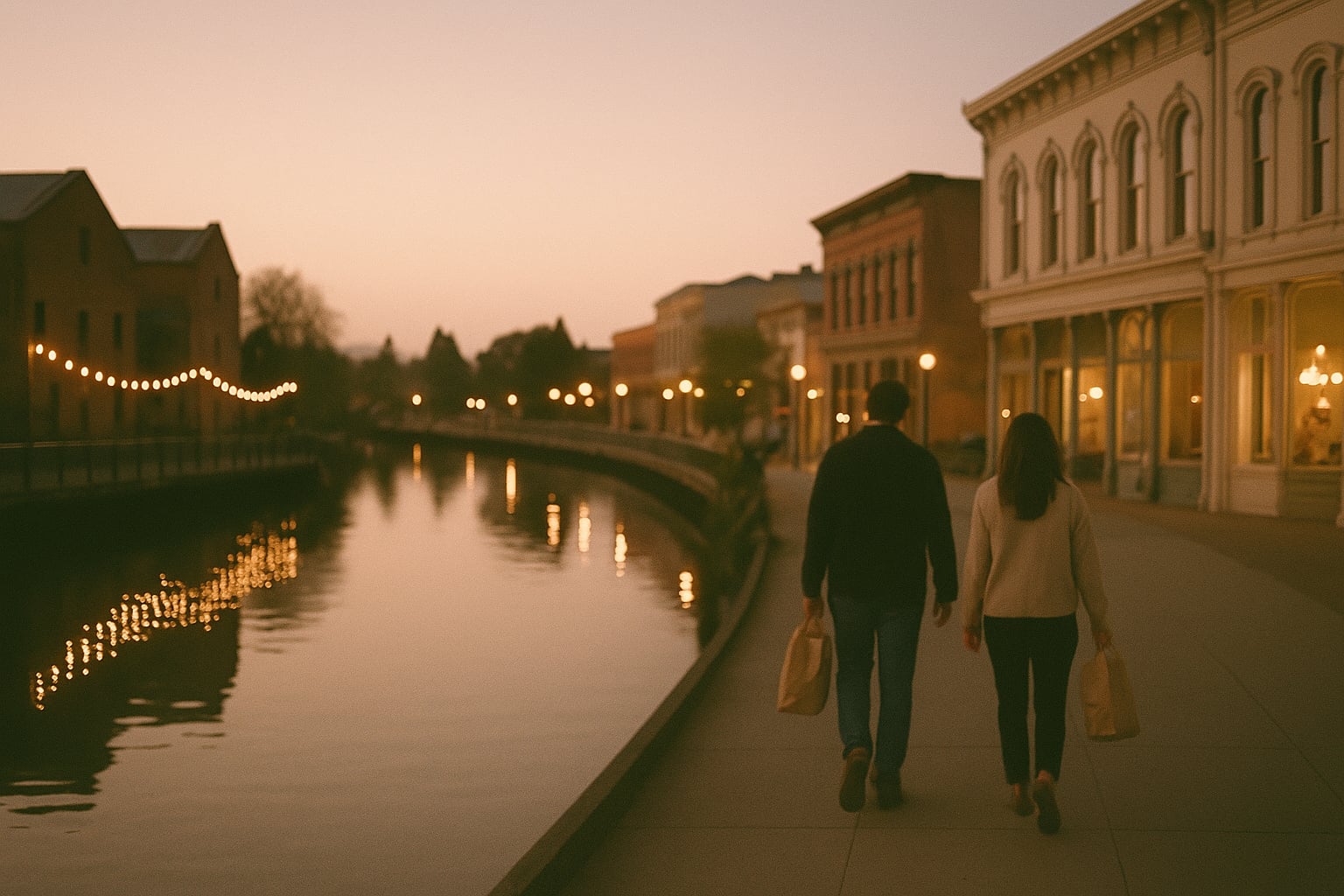
There's a bottle in your house right now. You know the one. It migrated from the counter to the cabinet to that lower shelf where it sits at a slight angle, waiting for something to finally be worth it.
A birthday. An anniversary. The night when things feel settled enough to celebrate. The night when you two feel like yourselves again.
That night keeps not arriving. So the bottle keeps waiting.
What You're Actually Waiting For
It isn't the occasion. You've had occasions. You've had anniversaries with the wrong mood in the room, birthdays where someone was tired, New Year's Eves that peaked at 9:47 and then quietly faded into dishes and a show neither of you chose.
What you're waiting for is permission. The feeling that this moment has earned the good thing. That you've done enough, been enough, planned enough to justify the uncorking.
That logic sounds reasonable. It also keeps the good thing in the cabinet for years.
The best evenings don't announce themselves. They just happen, and afterward you realize — that was it.
— MLL
The Sonoma Instinct
There's something about November in wine country that teaches this faster than any therapist or self-help framework could. The Healdsburg plaza goes quiet. The summer crowds are gone. The vines are stripped down to wire and wood and the honest structure of the thing.
People who live up there — or who've spent a slow weekend at Montage or rented a house off Westside Road in late fall — tend to describe the same phenomenon. The evening that started as nothing. A Tuesday. Leftover soup. Someone lit a candle mostly out of boredom. And then it just became the night.
Not because of the plan. Because of the absence of one.
The bottle opened without ceremony, the two of you on the couch before the fire actually caught, the conversation that went somewhere it hadn't been in months. That's the Sonoma version of intimacy: low expectations, good materials, no performance required.
The Micro-Behavior You're Not Clocking
Saving the good thing is a behavior with a signal underneath it. Sometimes the signal is healthy: savoring, anticipation, intention. But sometimes — and this is the one worth sitting with — it's distance dressed up as reverence.
You save the bottle because the present doesn't feel quite good enough. The relationship isn't quite where you want it. The week was too rough. One of you is still carrying something from last Thursday. Better to wait until there's a clean slate.
The clean slate also keeps not arriving.
This pattern shows up in other places too: the lingerie you're waiting to feel confident enough to wear, the reservation you keep meaning to make when things calm down, the slow dinner that requires a mood you're hoping will just materialize. If you've read The Size You're Waiting to Be Before You Buy Anything, you already know the shape of this loop.
What Opening It Actually Does
It signals arrival. Not to the occasion — to each other. It says: I'm not waiting anymore. I'm here. This is the thing, and we're having it now.
That's not reckless. That's intimacy as a verb.
There's a version of this that happens in Yountville on a random Wednesday. Someone walks into Ad Hoc or sits at the bar at Bouchon and orders the bottle they'd normally save for a special trip. And then the trip becomes the special trip, because they decided it was.
You don't have to drive to Napa for this. You can do it in your own kitchen at 7 PM on a night when nothing happened and nothing was planned and the only decision was: let's have the actual thing tonight.
How to Do It Without Making It Weird
Don't announce it. Don't frame it. Don't say "I figured we should just open it" in the voice of someone explaining a decision to a jury.
Just open it. Put it on the table. Get two actual glasses — not the ones you grabbed because they were closest. The ones with the wider bowl, the ones that were a gift or a find or a thing you bought because you liked the weight of them in your hand.
Let it breathe. Let the room breathe. Put your phone face-down or in the other room entirely, which is the single highest-leverage thing you can do for the quality of any evening.
Don't plan the rest. The bottle is the plan.
The November Part
November specifically is doing something. The light is gone by five. The air has that particular weight — not quite cold, but present. You feel the year in it. The shortening. The turning inward that happens whether you invite it or not.
It's not a melancholy thing. It's a clarifying thing. You start to feel, without anyone having to say it, that the year is almost gone and you haven't done nearly enough of the actual living.
That's the month to stop waiting. Not January, which is too resolute. Not spring, which is too optimistic. November, when the year is honest with you and you can be honest back.
Open it in November, when the year finally stops pretending it has time.
— MLL
The Real Version of the Evening
Here's what it actually looks like. It's a Thursday. One of you got home later than expected. The other one already ate something standing over the sink. There's nothing on the calendar and that was supposed to feel like relief but mostly it just felt like nothing.
Someone goes to the cabinet. Pulls the bottle. Says nothing or says almost nothing — maybe just holds it up with a look that means: yes or no?
And the other one says yes. Gets the glasses. Sits down.
You don't have to cook a slow dinner from scratch. You don't need candles, though they don't hurt. You don't need to have resolved the thing from last week. You can open the bottle right in the middle of it all — the unresolved week, the Thursday energy, the ordinary living — and it changes the quality of the air in the room.
That's the reframe. You don't open the bottle because the moment is ready. You open it to make the moment.
The bottle will be gone. That's fine. That's correct. Things that are saved too long turn in the end — and the thing you were preserving becomes the thing you missed.