There's a specific kind of tired that hits sometime in late June. Not the good tired — not the kind that comes from dancing until 2 a.m. or staying too long at a rooftop party in the heat. This is the tired that comes from being perceived. From walking through a world that has, once again, decided your existence is the theme of the month.
You love Pride. You do. And also: you're exhausted before it begins.
The Performance Nobody Signed Up For
Summer presses queerness into public space in a way that no other season does. Flags appear on storefronts. Brands change their logos. Strangers feel licensed to ask questions they've been storing up. And if you're out — visibly, undeniably out — you become, without agreeing to it, a kind of ambassador.
You hold hands at the farmers market and someone smiles at you like you've done something brave. You wear the tank top and get a look that you have to decode in real time: admiration, curiosity, hostility, something in between. You go to a winery tasting in Healdsburg with your partner, just trying to drink good wine, and you can feel the room calibrate.
None of that is violence. Most of it is benign. But it accumulates.
What Celebration Costs
The mainstream Pride narrative has gotten very good at the joy part. The color, the crowds, the Instagram grids of kissing couples and flags in the sun. And that joy is real. It's worth protecting.
What it hasn't gotten good at: the cost of the performance that surrounds it.
There's a version of Pride visibility that requires you to be legible. Happy. Triumphant. Safe enough to celebrate. And if your experience doesn't fit that shape — if you're newly out, or privately struggling, or bisexual and tired of explaining, or trans and just trying to get through a summer without a news cycle about your body — the celebration can feel like a costume you're expected to wear.
I spent three Prides performing okayness before I admitted that I wasn't feeling it. And the performance was more exhausting than whatever was actually wrong.
— reader submission
Minority stress doesn't take summers off. The research on this is clear, and so is the lived experience: the particular vigilance of moving through spaces that weren't built for you doesn't pause because there are rainbow flags in the window.
The Micro-Moments That Add Up
It's not usually the big stuff. It's the small recalibrations you make without thinking. Do you hold hands on this block or not. Do you correct the waiter who called you two "ladies" or let it go because you're hungry and it's not worth the energy. Do you wear the outfit that says exactly who you are, or the one that will make the afternoon easier.
Summer amplifies all of it. Less clothing, more exposure — literally. More skin, more time outside, more strangers in closer proximity. The body becomes more present, not less.
And if your body is one that the world has opinions about — transmasculine chest, femme-presenting softness, gender nonconforming anything — summer asks more of you. The heat is just heat. The visibility is the harder thing to carry.
Celebration Doesn't Require Performance
Here's the reframe that actually helps: Pride is not a job. You don't owe anyone a public demonstration of your thriving.
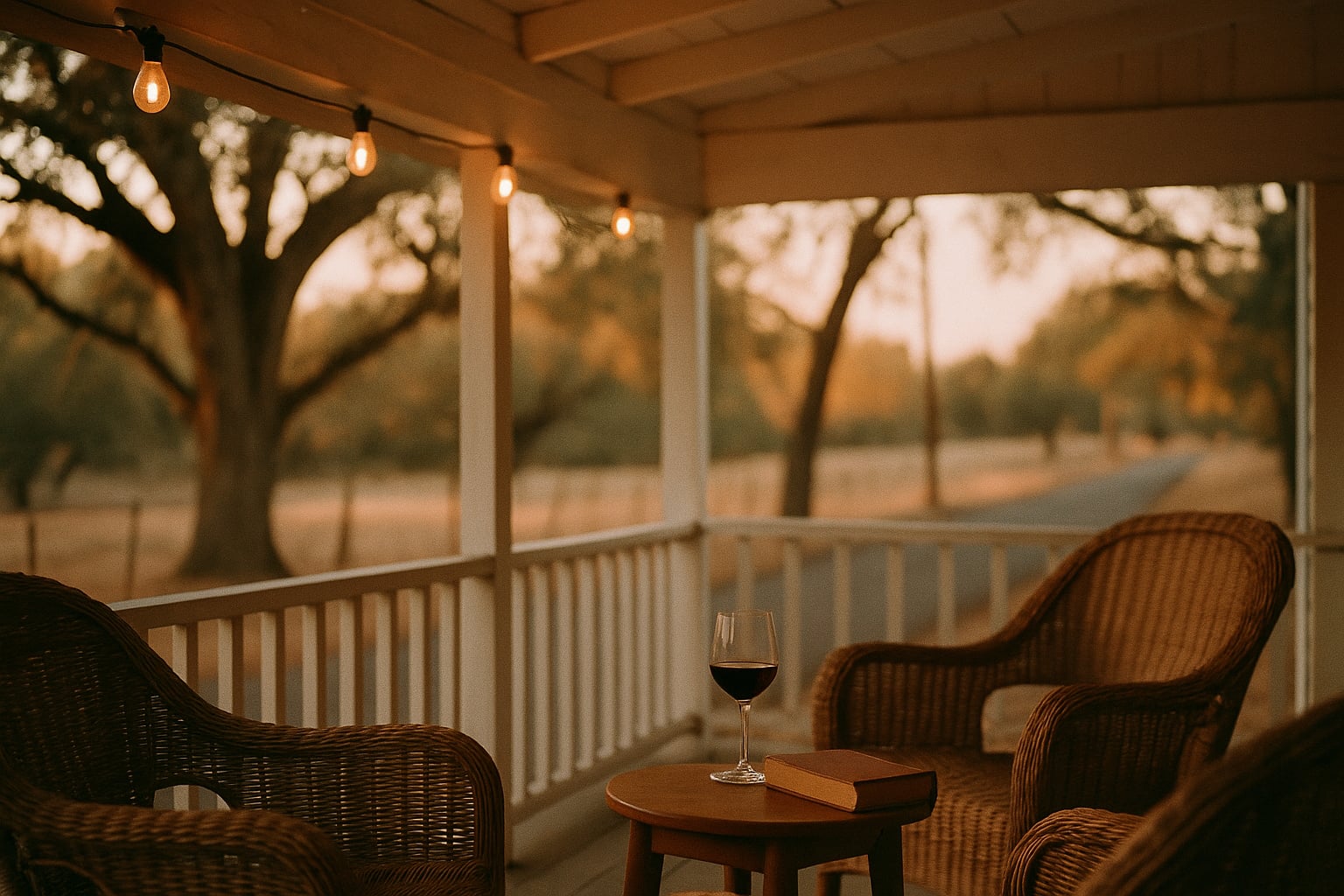
You can celebrate quietly. You can celebrate inside, with the people who already know you, without documentation. You can skip the parade and sit on a porch somewhere in Sonoma with chosen family and a cold drink and call that enough. Because it is.
The quiet version of Pride isn't a lesser version. It's just more honest about what you actually need right now.
What to Do With the Body You're In This Summer
Not advice. More like: things that have been known to help.
Finding a room where you're not the most interesting thing in it. That's what chosen community actually does — it normalizes you to yourself. A dinner table where nobody needs to be explained, where the shorthand is fluent, where the only thing being performed is the decision about what wine to open.
Letting your body have rest that isn't recovery from something. A morning with no plans, cool sheets, the particular luxury of not having to be visible before you're ready. The weight of a robe you put on because you wanted to, not because you were covering anything.
Noticing what actually feels like celebration vs. what feels like compliance. They can look identical from the outside. Inside, you know the difference.
The Particular Intimacy of Summers Like This
There's something that happens between partners in high-visibility seasons. The shorthand that develops. The look across a room that means did you catch that or do you want to leave or just I see you, I know, me too.
That look is intimate in a way that's hard to explain to people who haven't needed it. It's the infrastructure of a shared life that the outside world doesn't get to observe. It belongs to you.
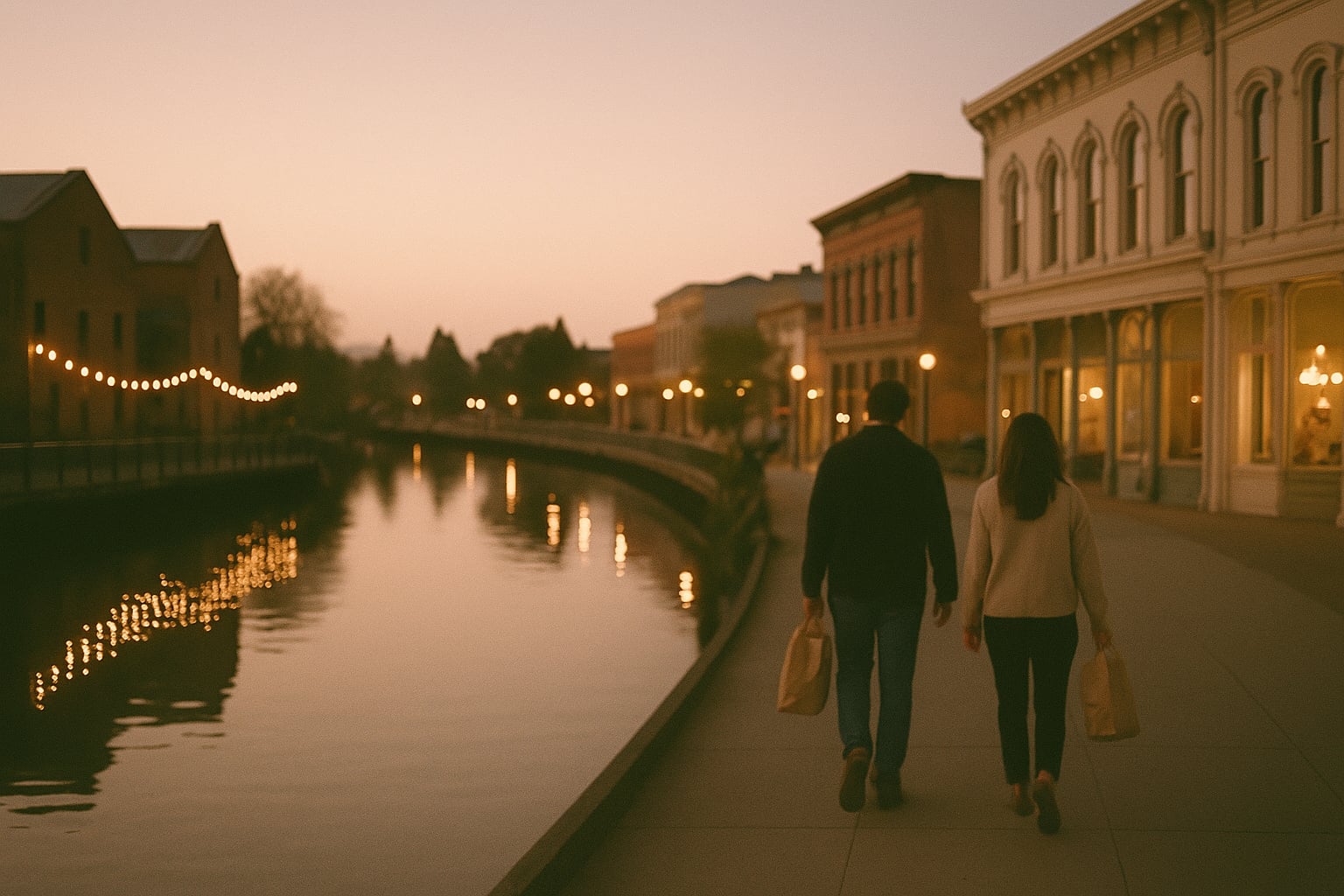
Some of the best moments in a queer relationship are the private ones that happen inside the public visibility. The hand that finds yours under the table at a restaurant in Yountville not as a statement, but just because. The exhale you both let out when you get back to the car.
The world was watching. Now it's just the two of you. That relief is its own kind of closeness.
A Few Things Worth Naming
If you're dreading Pride season more than you're excited about it: that's information, not failure. It might mean you need rest more than you need community right now. It might mean your relationship to your own identity is shifting. It might just mean you're tired.
If you and a partner are navigating visibility differently: that's one of the real friction points in queer relationships — particularly when one of you is more out, more public, or more willing to be read than the other. It's worth saying out loud, not around.
If joy arrives anyway, unexpectedly: let it. A flag-lined street, a bass line you feel in your sternum, a moment when the crowd is your crowd and you know it in your whole body. That's real too. It's allowed to coexist with the tired.
I stopped trying to decide whether I love Pride or hate it. Both are true in the same weekend, sometimes in the same hour.
— reader submission
Summer in a queer body is a specific experience. More texture than the straight version, in both directions. More beauty in some moments. More weight in others. The goal isn't to resolve that tension. It's just to stop pretending it isn't there.