Sometime around 11:45 PM on December 31st, there's a moment where the television shows a crowd of straight couples in matching sequins, waiting to kiss on cue, and you look at your partner and feel something that isn't quite longing and isn't quite contempt. It's more like: that was never for us, was it.
Not bitterly. Just factually. The confetti drop, the father-daughter slow dance at midnight, the champagne toast structured like a wedding speech — it's a ritual built inside a story that didn't include you.
So you do what queer couples have always done. You make something else.
The Blank-Page Holiday
Most people inherit their New Year's rituals. They absorb them from parents, from movies, from whatever their college friend group decided was tradition. They don't choose them. They just arrive, already shaped.
Queer couples rarely get that hand-me-down version. Which means every holiday requires a small act of authorship. What are we actually doing tonight? What does this mean to us? What do we want to carry forward?
That sounds like more work. In the moment, it sometimes is. But it also means the rituals you land on are yours in a way that inherited ones almost never are.
What 'Ritual Architecture' Actually Means
Not a vision board. Not a wellness exercise. Just the small, repeatable decisions that give a night its shape.
One couple watches a film they loved the year they met — same film, every December 31st. Another makes a long dinner with no particular plan: two people, good wine, every light in the apartment low. One pair drives north from Healdsburg on New Year's Eve, no reservation, just the dark road and whatever's open. They've done it four years running.
None of these were inherited. All of them are sacred now, in the quiet way things become sacred: by repetition, by choice, by the fact that you'd both feel something real if you skipped it.
The Family Question, Which Is Always There
Here's where New Year's gets specific. The big holidays — Thanksgiving, Christmas — often force a negotiation with family of origin. You go, or you don't, or someone comes to you. The question gets answered.
New Year's is different. It's coded as a couples' holiday. Which means the family pressure is lower, but the expectation of a particular kind of romance is higher. The kissing-at-midnight mythology is genuinely relentless.
For queer couples, especially those still navigating visibility with family, New Year's can be the first holiday that actually belongs to you. No table to seat yourself at awkwardly. No extended relatives calibrating how to introduce your partner. Just the two of you, deciding what the night is.
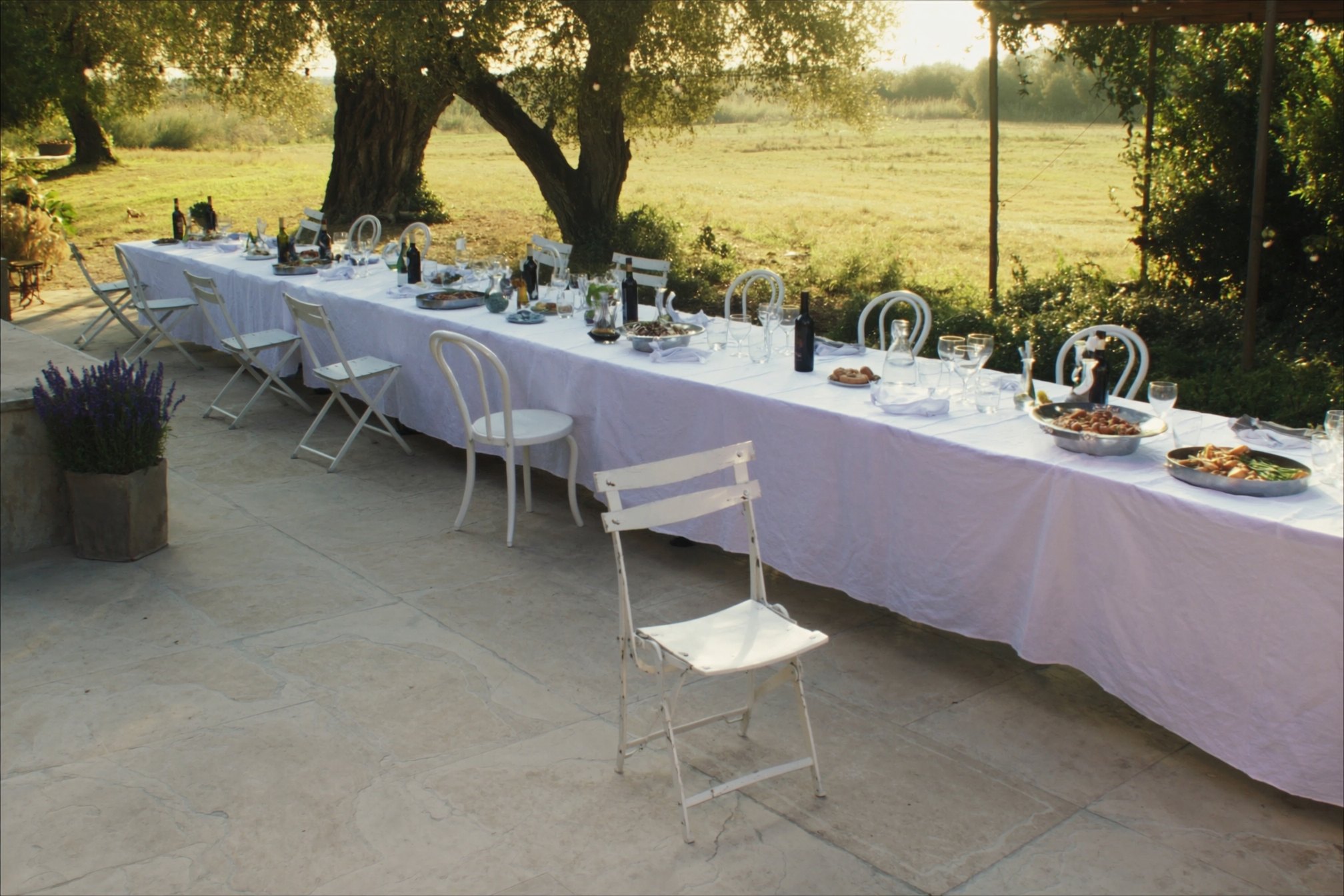
We stopped trying to find a party where we fit and started throwing dinners where everyone did. That was four years ago. Now it's the thing people fly home for.
— unnamed, overheard at a Sonoma tasting room, December
Chosen Family Changes the Math
A lot of queer New Year's rituals expand outward. The couple becomes the nucleus of something larger: the friend group, the chosen family, the people who also needed a table that felt like theirs.
This isn't altruism. It's practicality with warmth. When your own family-of-origin celebration is complicated or unavailable, you build a room where the night works. You cook too much. You make a playlist that means something. You hand someone a glass and say we do this every year now, you should come back.
The ritual acquires gravity. Not because it was handed down but because it was built, and because other people showed up to it, and because now canceling would genuinely hurt.
The Midnight Moment, Redesigned
The kiss at midnight is a performance piece when it's coerced by spectacle. Two people leaning in because the clock told them to, because the crowd is watching, because that's what's supposed to happen.
When queer couples reinvent the midnight moment, it tends to be quieter. More specific. Less about the gesture and more about what the gesture is actually for.
Some couples do a spoken thing. One true sentence about the year. Something they noticed about each other. Something they want to say before the calendar changes.
Some just stand together somewhere with a view, or in a kitchen that smells like whatever they've been cooking for three hours, and they hold on for a moment longer than they needed to.
It's not more romantic than the televised version. It's just more true to the actual relationship, which is almost always more erotic anyway.
The Annual Inventory
One ritual that shows up again and again in queer relationships, unprompted: a version of the year review. Not a goals list. Not a vision-board exercise. Just two people asking each other honest questions about the year.
What surprised you about us? What do you want more of? What was the hardest part you didn't tell me about in real time?
It works partly because queer couples often come to relationship honesty earlier. Visibility, family navigation, identity questions: you've already practiced having uncomfortable conversations. The annual inventory doesn't feel as risky.
And it produces something real. A record, even if it's just in memory. A sense that you witnessed each other's year, not just shared an apartment during it.
Why the Built Thing Tends to Last
Inherited rituals are durable but brittle. They hold their shape because nobody questions them. When the context shifts, they crack.
Built rituals are more flexible. You made them. You know why each piece is there. You can swap one thing without losing the whole structure.
This is the underreported gift of being a queer couple in a world that made you invent your own architecture. Not just for holidays. For commitment structures, for family definitions, for what fidelity means and what a long-term relationship looks like when the template was designed for someone else.
You built it. Which means you actually know what it's made of.
A Few Things That Actually Work
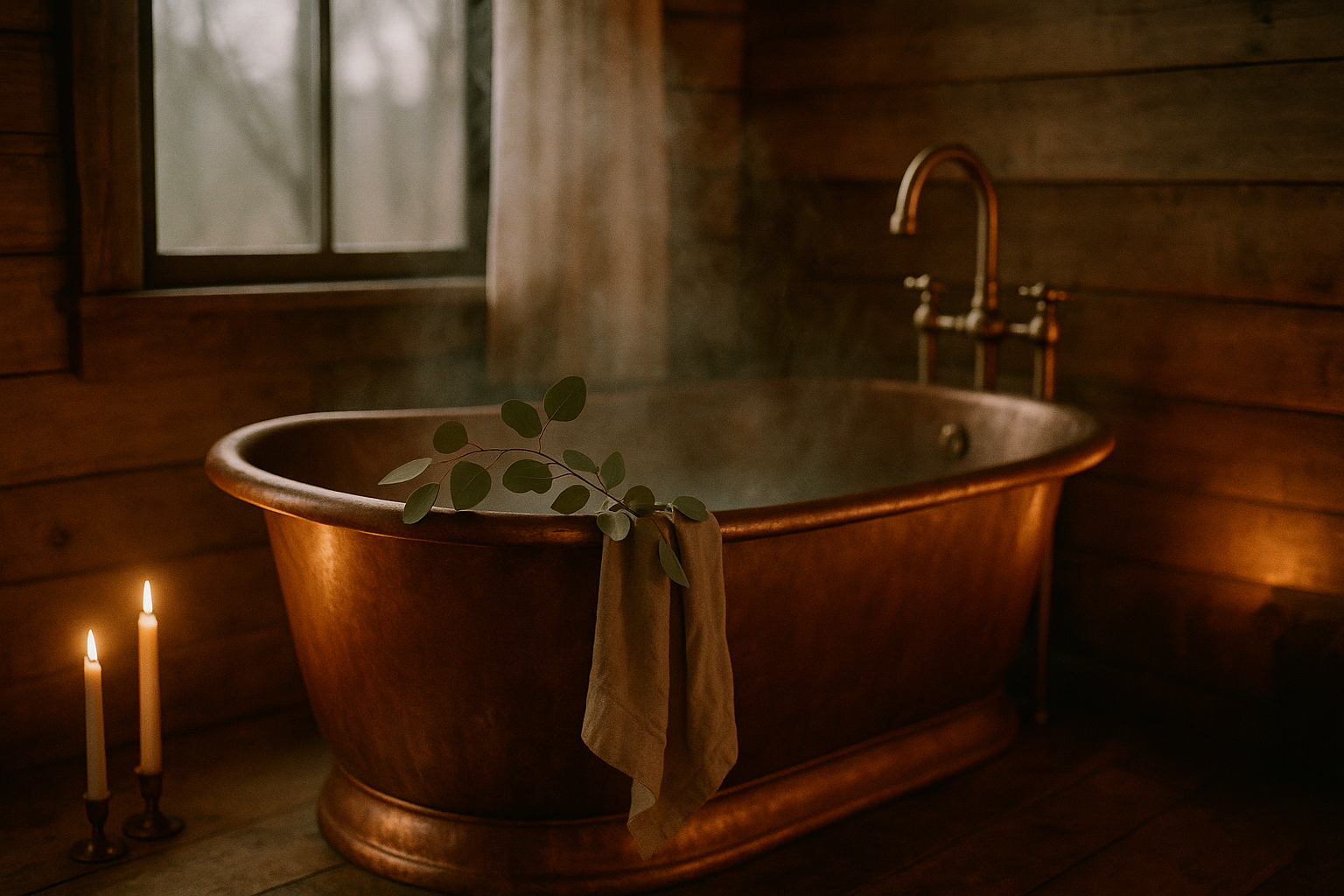
The slow dinner with no guests. Just the two of you, something that takes time to make, every light soft. No phones after eight. The night becomes the event.
The drive with no destination. Healdsburg to Calistoga and back, whatever road looks interesting, stop when something looks worth stopping for. It sounds like nothing. It becomes the thing you both reference a year later.
The one-sentence toast. No speeches. Each person at the table says one true thing about the year. Takes four minutes. Lands harder than any toast you've ever given.
The question you ask every December 31st. Pick one. Keep it. Ask it every year. Watch the answers change.
The thing you wear that's just for each other. Not for the party. For the last hour, when everyone else has gone home. The silk, the robe with the weight you know. The version of the night that's only yours.
The Calendar Doesn't Own the Meaning
December 31st is an arbitrary line. You know this. The year doesn't actually end at midnight; your relationship doesn't reset; nothing is magically resolved by the clock.
But humans need ceremonies. We need the marked moment that says: we were here, and we noticed, and we chose to be here together.
The couples who've built their own version of New Year's — not performing someone else's midnight, but actually designing something that fits the relationship they're in — tend to mean it more. The ritual is lean because it was chosen. Every piece of it earned.
You didn't get the hand-me-down version. So you built something that actually fits.
That's not consolation. That's the point.