Most wine-country trips are really just logistics dressed up as romance. You book something because it photographed well. You drive up, you check in, you perform a good time for each other until you're tired enough to stop.
This is the other kind of afternoon. The kind where you actually land somewhere — where the room is quiet enough that you can hear the person across from you thinking.
There are maybe five tasting rooms in Napa that earn that. This article is about one of them. And what to do with the rest of the day so the drive home doesn't feel like the beginning of a Sunday dread.
Start Before You Get There
Leave the city by 10. Not because you need to beat traffic — you will anyway — but because arriving somewhere before noon changes how the afternoon feels. You're ahead of the day. That's rare.
Take the back way in if you can: Highway 12 through Sonoma, then up through the Valley of the Moon. It adds twenty minutes and subtracts the feeling that you're commuting somewhere. If you've never done it, the Sonoma back road has its own tempo — slower vineyards, less signage, more actual agriculture.
Don't queue up a podcast. Put on something that doesn't require attention. Eat something before you pour — a pastry from the Healdsburg plaza, a sandwich from the Oakville Grocery if you're already on 29. This isn't a performance of self-care. It's just common sense.
The Room Itself: Favia
Favia is a small production house in the hills above Coombsville, on the eastern edge of Napa. You won't find it by accident. The list is appointment-only. The website is spare to the point of being difficult. That's the first filter — if you're not willing to track it down, it will not chase you.
The winemakers are Annie Favia and Andy Erickson. They both worked serious cellars before this — Screaming Eagle, Dalla Valle, Harlan adjacent. They left to make something quieter. It shows.
The tasting is seated. Usually just you, the host, and whoever you came with. There are no crowds to perform for. No table of twelve doing a bachelorette itinerary beside you. The pacing is theirs, which means it's slow — slower than you probably planned for, which is exactly the point.
What you're tasting: primarily Cabernet, usually from a single estate site, plus one or two whites that are more interesting than the category suggests. The wines are structured, long, not showy. They don't announce themselves. They open slowly over the hour, like a conversation that takes a while to find its register.
That last part isn't a metaphor. It's a reason to come with someone you actually want to sit with.
What the Room Does to a Conversation
There's a specific kind of talking that happens when you're somewhere that requires no navigation, no decision, no performance. You've handed over the pacing. Someone else is guiding the hour. All you have to do is sit there and respond.
That's when people say things they didn't plan to say. Not confessions — just thoughts. The kind that normally get interrupted by a notification or the arrival of a check.
We talked about something on that trip that we'd been circling for months. I don't even think we noticed it was happening until we were back in the car.
— A reader, after a Coombsville afternoon
The wine helps — obviously. But it's not the alcohol. It's the ritual of tasting slowly that slows down everything else. Your hands are occupied. The glass is something to look at. There's a reason to pause before you speak.
After the Tasting: Don't Rush to Fill It
The instinct after a good tasting is to immediately book the next thing. A late lunch. A hotel check-in. Something to justify the drive.
Resist that. Sit in the car for a minute. Let the afternoon absorb.
If you want food, go to Bistro Don Giovanni on the north end of the city. It's been there since the mid-nineties and it hasn't tried to reinvent itself. The pastas are honest. The patio is loud enough to feel like you're in the world again, which is the right energy after a quiet tasting room.
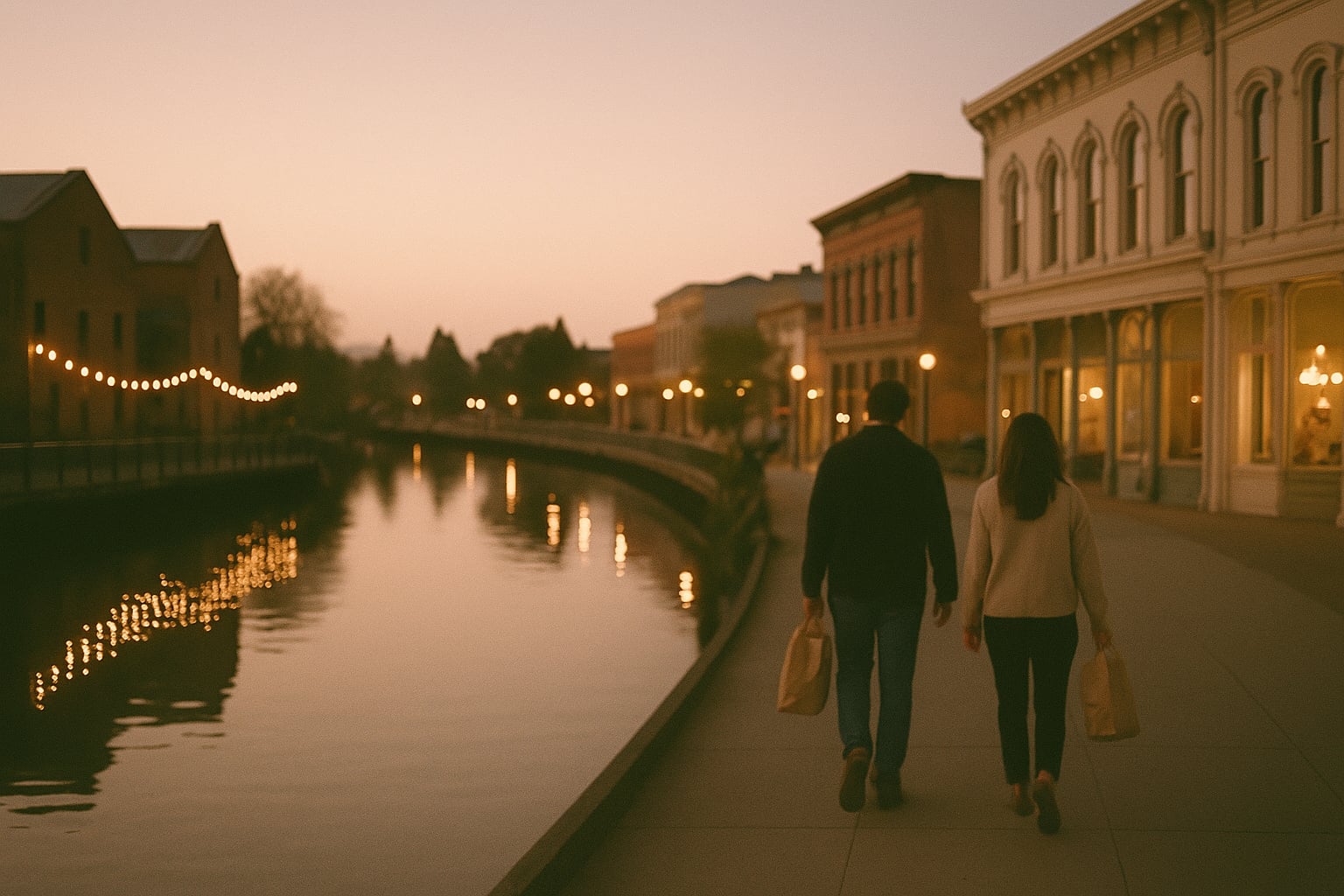
If you want something slower, drive up to Yountville and walk. It's a small town that takes itself slightly seriously — but there's a stretch between the main restaurants where it goes quiet and you can just move beside someone without an agenda.
If neither of you wants to eat yet, just drive. North on the Silverado Trail is one of the better drives in the state — eastern valley light, less traffic than 29, the mountains closer than they look.
The Option That Changes the Trip: Stay
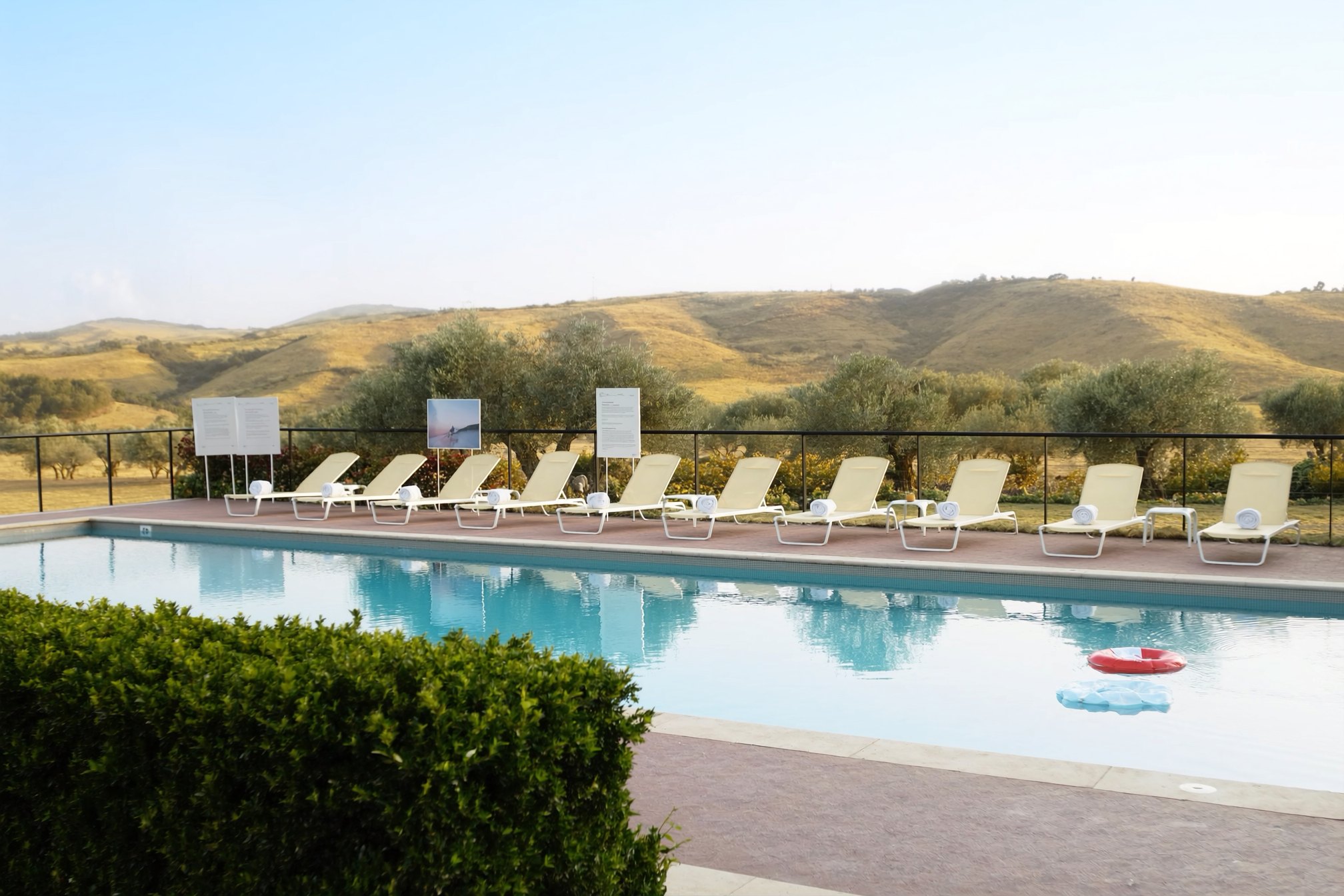
Solage in Calistoga is the right answer if you're staying. The rooms are simple — concrete, oak, no chintz. The pool is long. The spa has a geothermal mud bath situation that sounds vaguely ridiculous until you're in it, at which point it feels like the most rational decision you've made all week.
The town of Calistoga is the low-key end of the valley. Less manicured than Yountville, more human than St. Helena. You can walk to dinner. The streets are quiet enough at night that you'll hear your own footsteps.
If Solage is out of budget, Indian Springs is older, simpler, and has the same geothermal access. The bungalows feel like a mid-century summer camp — in the best way. The palm-lined pool is heated year-round.
What Makes This Different from a Wine Trip
Most Napa itineraries are structured around accumulation. More tastings, more wineries, more restaurants, more purchased bottles to feel good about in the back of the car.
This afternoon is the opposite. One tasting room. One meal or one walk. A road you don't have to Google. The pressure drops when you take options off the table.
The couples who get the most out of it are the ones who treat it like a long conversation with a good backdrop — not a destination they need to report back on.
There's no photo that captures the Coombsville hills at 3pm when the fog is still lifting and the glass in your hand is doing something interesting. That's fine. It's not that kind of trip.
The Short Version, If You Just Want the Plan
Morning: Leave early. Take Highway 12 through Sonoma. Stop at Oakville Grocery if you're on 29. Eat before you taste.
Early afternoon: Favia tasting, Coombsville. Appointment required. Budget two hours including the drive in and out. Buy one bottle. You won't need more than that.
Mid-afternoon: Bistro Don Giovanni for a late lunch, or the Silverado Trail if you're not hungry. Yountville if you want to walk and the afternoon is still warm.
Evening (optional): Solage or Indian Springs if you're staying. The mud bath, the pool, the kind of dinner where neither of you checks your phone.
Drive home: Later than you planned. That's usually the sign it worked.