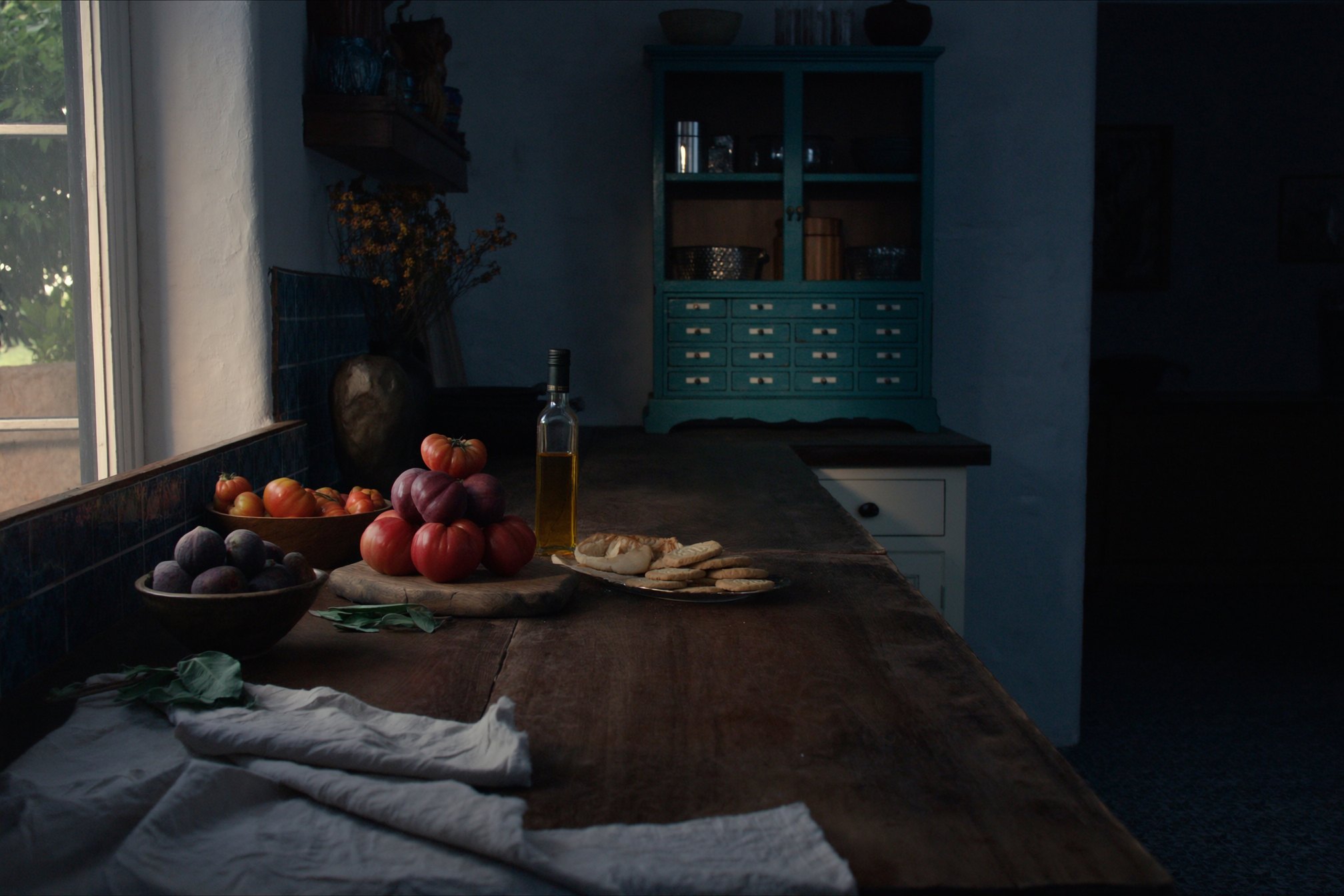
You already know the evening you want. The one where nobody checks a phone and the conversation goes somewhere real and later, back in the room, you actually find each other. You've had that evening maybe four times in your life. You thought it was luck. It wasn't.
It was the afternoon that built it.
The On-Ramp Nobody Thinks to Plan
Most couples arrive at intimacy like they arrive at airports: rushed, slightly irritated, already thinking about the next leg. You can't just flip a switch. Biology doesn't work that way. A nervous system that spent eight hours in task-mode doesn't suddenly soften over a restaurant reservation.
What it needs is a few hours of unhurried. A place with no agenda. Somewhere that moves at a pace that makes you feel slightly ridiculous for having been in such a hurry.
A good tasting room does that. Not the crowded one with a DJ. The quiet one down a gravel road where the person pouring actually wants to talk about the vineyard.
Where to Go (This Matters)
The Dry Creek Valley appellation north of Healdsburg is the right geography for this. It's not a hot tip — it's a pace thing. The valley is narrow. The vineyards sit close to the road. You can see the actual vines from the parking lot. That physical proximity to the source does something to you that a polished tasting bar in town doesn't.
Quivira Vineyards. Mauritson. Preston Farm and Winery, if you want goats and a wood-fired bread oven to slow you down further. These aren't the flashiest names in wine country. That's the point. No helicopter landing pad. No influencer shoot in the barrel room. Just good wine poured slowly by someone who knows the blocks.
If you're coming from the south, you'll pass through Healdsburg plaza. Stop at Shed for provisions first — charcuterie, a soft cheese, whatever looks good — and drive up Dry Creek Road with the windows down. The ritual starts there, in the car, before you've poured anything.
What Actually Happens in the Tasting Room
You slow down physically before you slow down mentally. That's the sequence. You sit on a patio. The light is different at this latitude in the afternoon — lower, slower, slightly golden even at 2pm. Someone sets a glass in front of you and talks for a few minutes about soil. You are not expected to respond intelligently. You are only expected to taste.
This is the part that matters: tasting wine together is one of the few activities that requires sensory attention without performance. You're not trying to win anything. You're not being evaluated. You're just noticing what's in your mouth. That small act of shared noticing is the thing that starts to drop the armor.
The best foreplay is two people paying attention to the same thing at the same time — with nowhere else to be.
— MLL
Watch what happens by the third pour. Someone leans in. Someone laughs at something small. A hand rests somewhere it hasn't rested in a while. Nobody orchestrated that. The afternoon did.
The Micro-Behaviors to Notice
There's a moment, usually around the second wine, where one of you stops scanning the room. Where your eye contact lasts a beat longer than it would at home. Where you ask a question — not a logistics question, an actual question — because you're curious.
That's the marker. That's when you know the afternoon is working. The nervous system has started to downshift. The body follows the environment, and the environment just told you there's no rush.
What to Do With the Space Between the Tasting and the Night
Don't rush it closed. This is where most people get it wrong. They leave the tasting room feeling good and immediately fill the space with dinner logistics — where are we going, what time is the reservation, should we change. And just like that, the afternoon's work unravels.
Instead: drive slowly. Take the back road that runs west of Dry Creek Lake. Stop somewhere with a view if the light is still good. Buy nothing. Decide nothing. Let the quiet hold for another twenty minutes.
If you're staying at a property like Madrona Manor or even somewhere south along 29 near Yountville, you have room to spare. Check in. Sit on the bed in your street clothes with the door to the patio open. Don't turn the TV on. Let the room be quiet.
This is the part that's actually about sex: arriving in the room before you need it to be anything. Before there's any pressure. Just two people in a nice room with the smell of wine still on them and absolutely nowhere to be.
Why This Works (The Non-Mystical Version)
A body in sympathetic overdrive — cortisol up, jaw tight, that low hum of mild urgency that most people mistake for normal — is not a body that wants to be touched. Or rather, it wants to want to be touched but can't quite get there.
Slow afternoons in physical environments that are unhurried, sensory, low-stakes: they work on the nervous system the way a long shower works on a tight shoulder. Gradually, then all at once.
The wine isn't incidental. Taste is intimate by design. Smell is the sense most directly wired to memory and emotion. You are literally sharing a sensory experience, narrating it to each other, noticing what the other person notices. That's connective tissue. That's what gets rebuilt on a slow afternoon when you'd given up on rebuilding anything.
One More Thing About the Evening
By the time dinner comes — later than planned, somewhere small and warm, the kind of place where they don't rush the second bottle — you'll notice you're already there. Present. With each other. Without having tried.
And later, back in the room, the evening will feel like it just happened. Like luck. But you'll know what it actually was.
It was an afternoon you decided to take seriously.
Questions People Actually Ask
Does it matter which tasting room you pick?
Yes. Crowded, high-traffic tasting rooms with loud music and tour buses work against you. You want small, appointment-preferred, ideally outdoor seating. The estate should feel like someone's property, not a theme park. Dry Creek Valley and the back roads of west Sonoma are reliably right for this.
What if one of us doesn't drink?
The wine is almost beside the point. It's the pace, the sensory setting, the shared attention. Most good tasting rooms will pour olive oil, offer non-alcoholic pairings, or simply let you sit on the property. Preston Farm has a bread oven and a garden. You can make a whole afternoon of it without touching the Zinfandel.
How early should you start the afternoon?
Noon to 1pm arrival gives you three to four hours before you need to think about dinner. That's the right window. Any earlier and it feels like you're just drinking. Any later and you're rushing, which defeats everything.
Is this just a fancy way of saying "go on a date"?
Sort of. But the specific mechanism matters. It's not just time together — it's unhurried, sensory, low-agenda time together in an environment designed to slow you down. A movie doesn't do this. A crowded restaurant doesn't do this. A quiet cellar with good light and a pour of something you've never tasted before — that does this.



