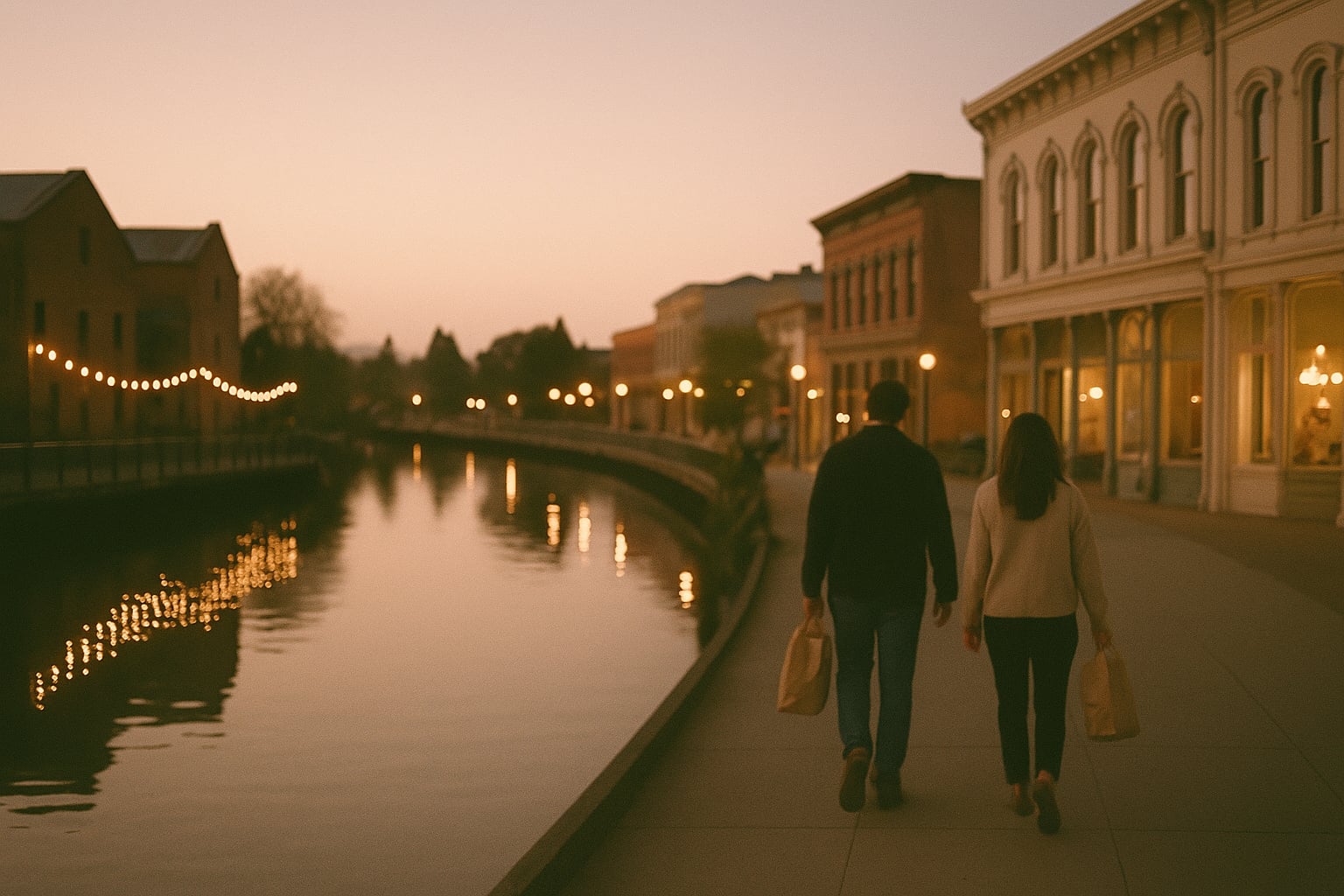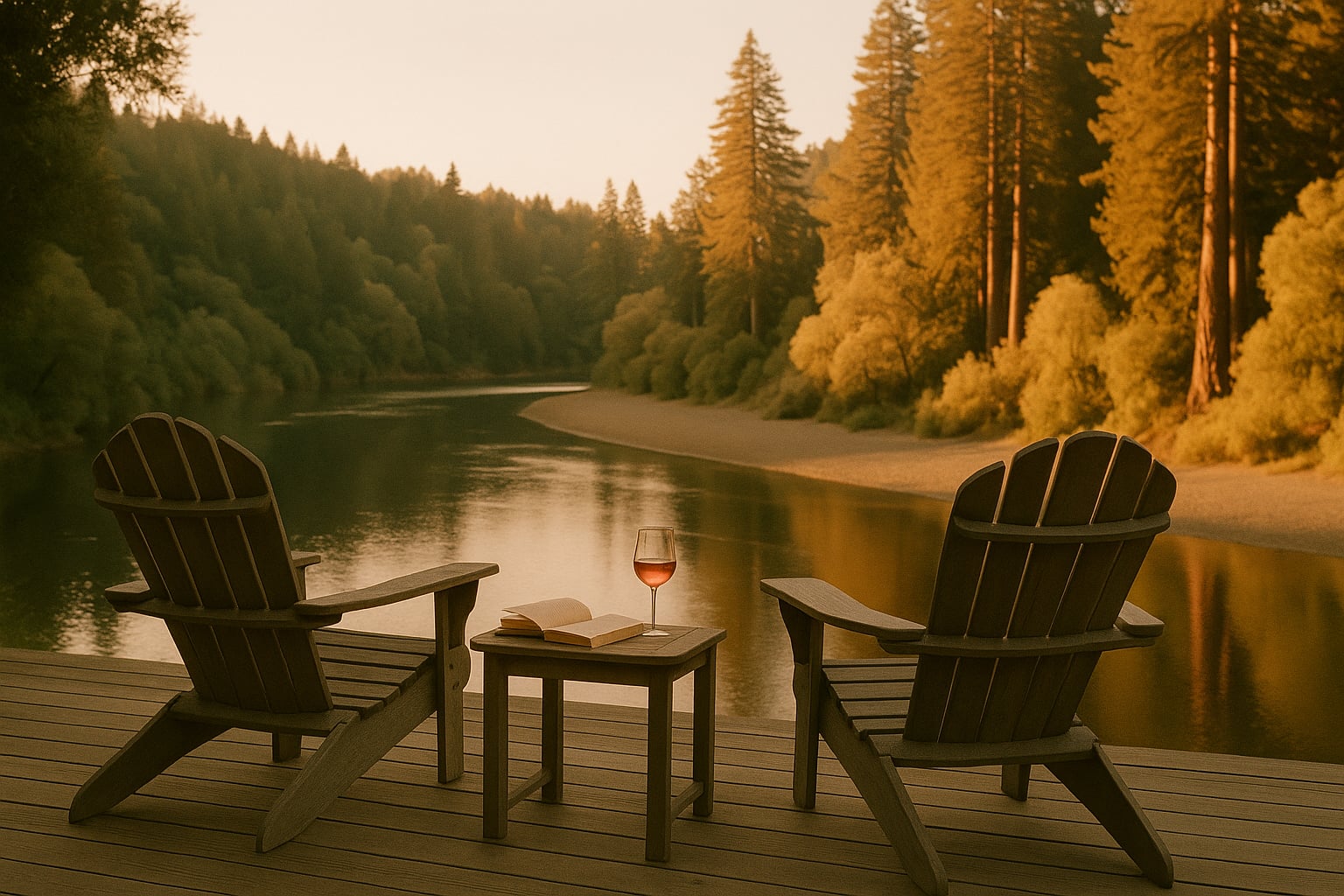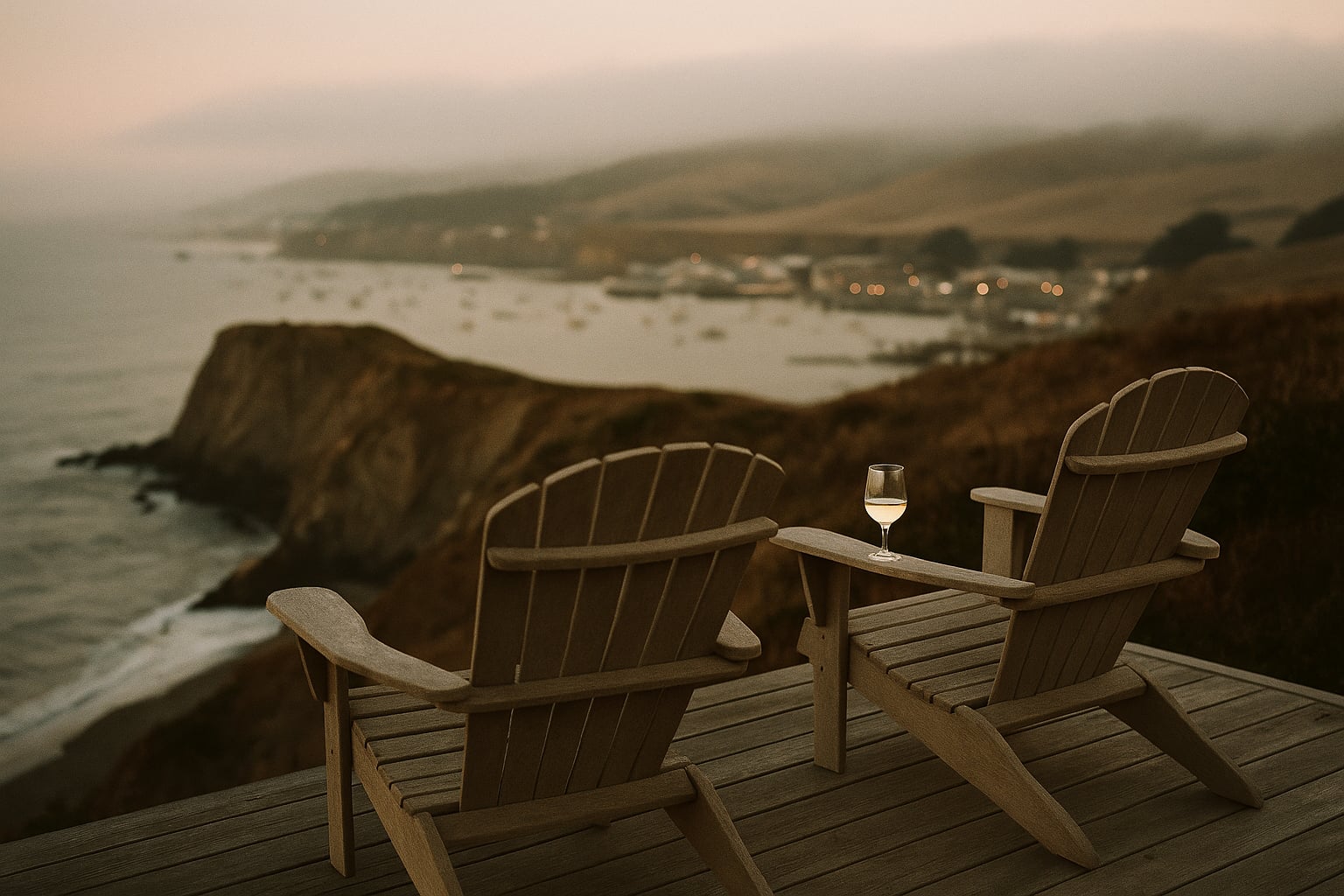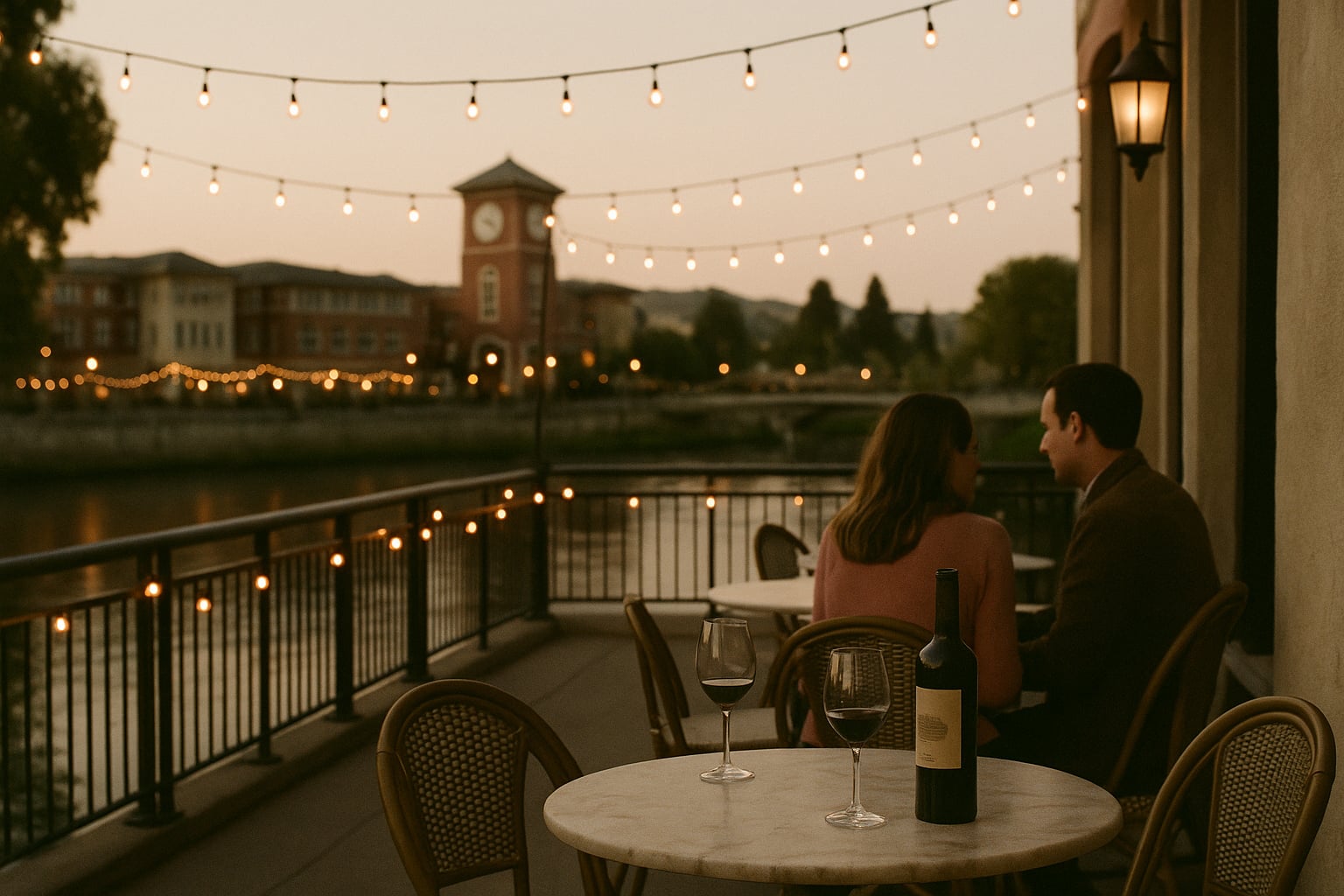
At some point, you stopped going out as much. Not because anything went wrong. Just because the reservation, the parking, the 45-minute wait for a table you booked two weeks ago — it started costing something you didn't want to spend.
But the thing you were actually after at the restaurant? You can have that at home. Not the food, necessarily. The pace. The ritual of a drink made deliberately, handed to someone you like, with nowhere to be.
That's what a bar cart is actually for. Not the photo. The evening.
What You're Really Building
Most people build a bar cart backwards. They buy bottles they think look good, add a few vintage glasses from an antique market, and call it done. Then they never use it except when guests come over.
The ones that actually get used are built around a specific scenario: what does a Tuesday at 7pm look like when neither of you wants to cook but both of you want to decompress without a screen? Start there.
The Hardware
You don't need much. A cart with two tiers — bottles on top, tools and extras below. Wheels matter more than people admit: you want to roll it toward the couch, toward the bath, toward the back porch. It should move with the evening.
Tools: a good jigger, a mixing glass, a bar spoon, a strainer. A quality ice tray — large cubes melt slower and look like you know what you're doing. A small cutting board and a sharp paring knife for citrus. That's it.
Glasses matter more than the bottles. Two proper lowballs or coupes, held by the stem, handed over — that action alone does something to the temperature of an evening.
The Bottles: Edit Ruthlessly
Pick a lane. Three spirits, maximum four, that you actually drink. A whiskey or mezcal for the slow nights. A gin or vodka for something lighter. Vermouth — dry and sweet — if you want to go classic. A bottle of something sparkling in the fridge, not on the cart, but understood to be part of the system.
Add one thing that's slightly unusual: an amaro, a smoky Islay Scotch, a small-batch bourbon from a Healdsburg tasting room you visited last fall. That bottle is a conversation. It's a memory you can pour.
Bitters are underrated and take up almost no space. Angostura is obvious. Orange bitters are better. A small bottle of something aromatic — lavender, cardamom, walnut — opens up what a simple drink can become.
The Real Ingredients Are the Extras
Fresh citrus is non-negotiable. A lemon, a lime, an orange — always on the cart, always real. The smell alone when you cut into a lemon peel and run it around the rim of a glass is doing 40 percent of the work.
A small jar of good cocktail cherries. A dish of salted olives. Something to eat while the drinks are being made — because the making is part of it. That ten minutes of someone standing at the cart, focused, constructing something small and specific for you, is intimacy in a form that doesn't announce itself.
The drink is almost beside the point. It's the act of someone making it for you that lands.
— MLL
How to Actually Use It
This is where most bar carts fail. They exist as decor and get used four times a year.
Build a small ritual around it. Not a rule — a rhythm. Whoever gets home first, or whoever cooked, or whoever had the harder day: they don't make dinner. They make drinks. That's the trade. It takes eight minutes. It changes the room.
Put on something that isn't TV. A record, a playlist — something with a tempo that says unhurried. Pour before you sit down. Let the evening announce itself.
The Date Night Version
This is where it gets specific. There's a version of a home date night — candles, a good playlist, drinks made with actual attention — that quietly beats most restaurant experiences. Especially mid-week, when you're both slightly fried and the last thing either of you actually wants is to perform being out.
The bar cart is the anchor. Everything else orbits it. The food can be simple: cheese, bread, whatever's good at the market. The clothes can be whatever makes you feel like yourself at 8pm on a Wednesday. The conversation can go anywhere, because there's no check coming.
This is the version of an evening that tends to end well. Not because of the drinks. Because of what the ritual does to the pace.
A Note on Solo Nights
The bar cart isn't couples-only. One of the best things about having this set up properly is what it does on the nights you're alone.
Making yourself a proper drink — a real one, with ice you thought about, citrus you cut yourself, served in the good glass — is an act of self-respect that sounds small and isn't. It says: this evening matters. I matter in it.
It's the same logic as the slow dinner or the afternoon you finally take without justifying it to anyone. Doing something with intention, even alone, especially alone, changes the quality of the time.
What to Actually Buy First
Start with two things: one spirit you genuinely love, and two glasses worth keeping. Everything else is refinement.
The cart itself can come from anywhere — a vintage sideboard, a simple Crate & Barrel bar unit, a brass-and-marble thing you found at an estate sale in Sonoma County. The provenance is less important than the placement: somewhere visible, somewhere you'll actually walk past and think yes, let's do that tonight.
Acquire slowly. Let the bottles accumulate with meaning: one from a trip, one that someone you love drinks, one you tasted at a Healdsburg tasting room and liked enough to bring home. The cart should be a small autobiography. Not a store display.
The Point
You're not building a bar cart. You're building a reason for a specific kind of evening to keep happening.
The evening where the phones go face-down, something is poured with actual care, and the night has nowhere specific it needs to go. That evening is available to you on any Tuesday. It just needs the infrastructure.
Build the infrastructure.