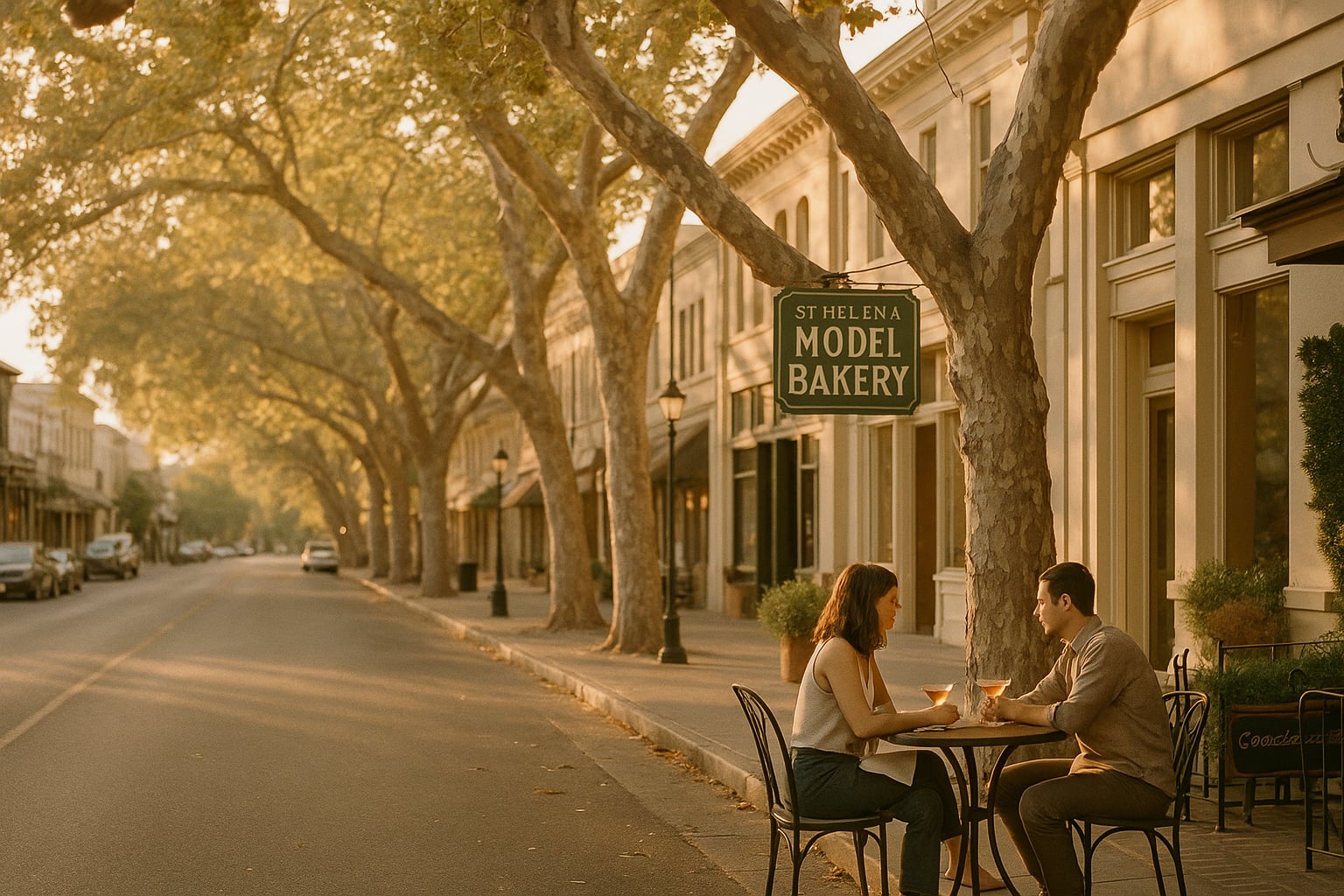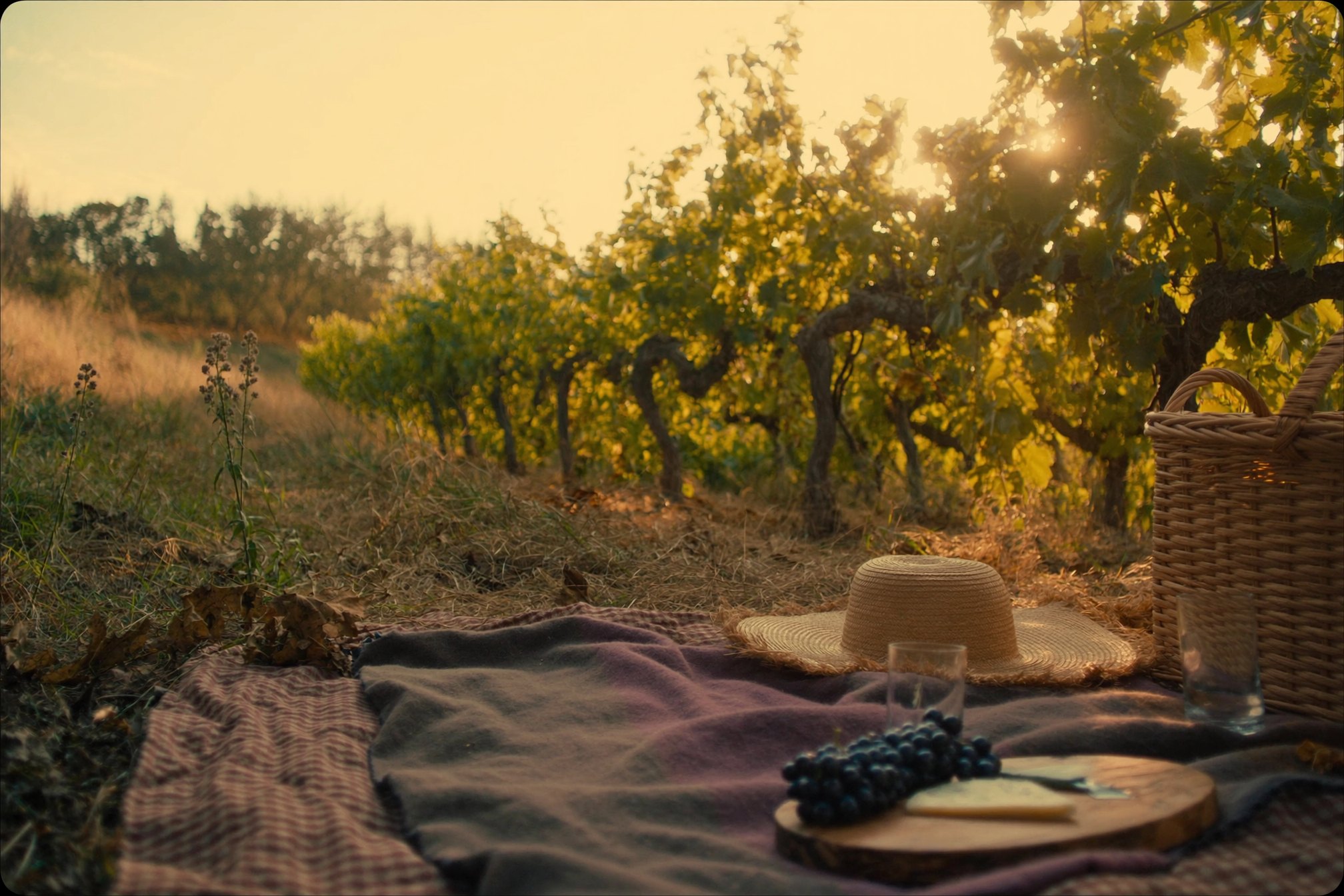
You remember the specific weight of waiting for a text back. The way a first road trip felt like proof of something. How the sex had that slightly unhinged quality — like you were still trying to convince each other of something.
You remember all of that clearly. What you don't remember — what nostalgia quietly edits out — is the anxiety underneath it. The performance. The part where you cried alone in the car because you couldn't read them yet.
Romantic nostalgia isn't memory. It's a highlight reel with a very specific agenda.
The Electricity Was Real. The Story You're Telling About It Isn't.
Early-stage relationships feel electric for a reason. Your nervous system doesn't know whether this is going to be the best thing that ever happened to you or a slow disaster. That uncertainty is doing a lot of the work.
Dopamine spikes when outcomes are unpredictable. Desire sharpens when there's still something to prove. You were lit up because you were scared — and scared and excited look identical from the inside.
Long-term intimacy removes most of that uncertainty. Which is the entire point. And then we sit across from our partner of six years at dinner and quietly wonder where the electricity went, as if safety stole something from us.
You didn't lose the spark. You lost the suspense. Those aren't the same thing.
— Modern Love Living
What You're Actually Comparing Your Relationship To
Most people aren't comparing their current relationship to a real past one. They're comparing it to a feeling — usually attached to a person, a summer, a particular version of themselves who had less going on and more time to feel everything.
Sometimes the nostalgia isn't even about a former partner. It's about being 26 and unencumbered. It's about the version of intimacy you had before work stress became a permanent background hum, before you knew how hard it actually is to stay close to someone across a decade.
The trap is treating that feeling as a benchmark. As if your current relationship is failing some test that the past relationship passed — when the past relationship simply hadn't gotten far enough to fail it yet.
The Micro-Behavior That Gives It Away
Here's how it shows up in real life. You're in bed on a Sunday — the kind of slow morning that used to mean something — and your partner is doing exactly what they always do. Reading on their phone. Comfortable. Familiar. Present.
And instead of being in that moment, you're somewhere else. You're in a memory of a different Sunday, with someone else, or with this same person years ago when Sunday mornings were still charged with novelty. When you hadn't seen each other sleep a thousand times yet.
The person next to you hasn't changed. What changed is that the story got real instead of imagined. And your nostalgia brain is calling that loss.
It's not loss. It's arrival. The problem is, arrival doesn't feel like anything dramatic — so we undervalue it constantly.
The Relationship You Describe vs. the One You're In
There's a version of your relationship you tell people about. The one with the good story: how you met, the early trip to the coast, the moment you knew. That version has shape. It has the narrative tension of not-yet-knowing.
Then there's the relationship you're actually in. Which involves someone leaving their socks near — but not quite in — the laundry basket. Arguments that circle back to the same unresolved thing. Skin you know so well it no longer reads as new.
Nostalgia keeps pulling you toward the story version. Intimacy lives in the actual one.
The couples who stay genuinely close aren't the ones who managed to preserve early-stage electricity. They're the ones who got interested in the version that came after. Who learned to find heat in the ordinary.
When Nostalgia Becomes a Symptom
Sometimes romantic nostalgia isn't about missing the past. It's about being dissatisfied with the present and not wanting to say so directly.
If you're constantly replaying a different era — a past relationship, early months, a time before kids or a mortgage or that one bad year — it's worth asking what that memory is protecting you from noticing. Because the ache of nostalgia is often more comfortable than the clarity of: something here needs to change.
That's different from the trap. That's information. Nostalgia as a chronic habit is avoidance. Nostalgia as a sudden, sharp feeling that keeps surfacing? That might be your body trying to tell you something the past is standing in for.
How to Stop Comparing Without Pretending the Past Wasn't Good
You don't have to pretend early-stage love wasn't extraordinary. It was. That feeling of someone opening up like a new country you get to walk through — that's real and it's worth honoring.
But honoring it doesn't mean holding it as a standard. It means recognizing it for what it was: one specific kind of intimacy, built on unknowing, available once. A season. Not the whole climate.
Long intimacy has its own electricity. It's just quieter and more specific. It's the way your partner already knows when you need to leave a party early without being told. The particular weight of falling asleep against someone whose body you could identify in the dark. The slow dinner that turns into something else because you're both still — still — a little curious about each other.
That's not a lesser version. It's a different frequency. And nostalgia will absolutely prevent you from tuning into it.
The Reframe
The early relationship felt electric because it was unresolved. Long-term intimacy feels different because it's built. One is the anticipation before the meal. The other is the meal.
Stop measuring your relationship against the memory of hunger. Start noticing what you actually have on the table.
That might mean a slow Saturday morning with someone who knows exactly how you take your coffee. It might mean the kind of weekend in wine country — Healdsburg or Yountville, somewhere with room to breathe — where you remember you're not just partners in logistics, you're still interesting to each other.
Nostalgia points backward. Desire, real sustainable desire, points at what's here. The question is whether you're willing to look.