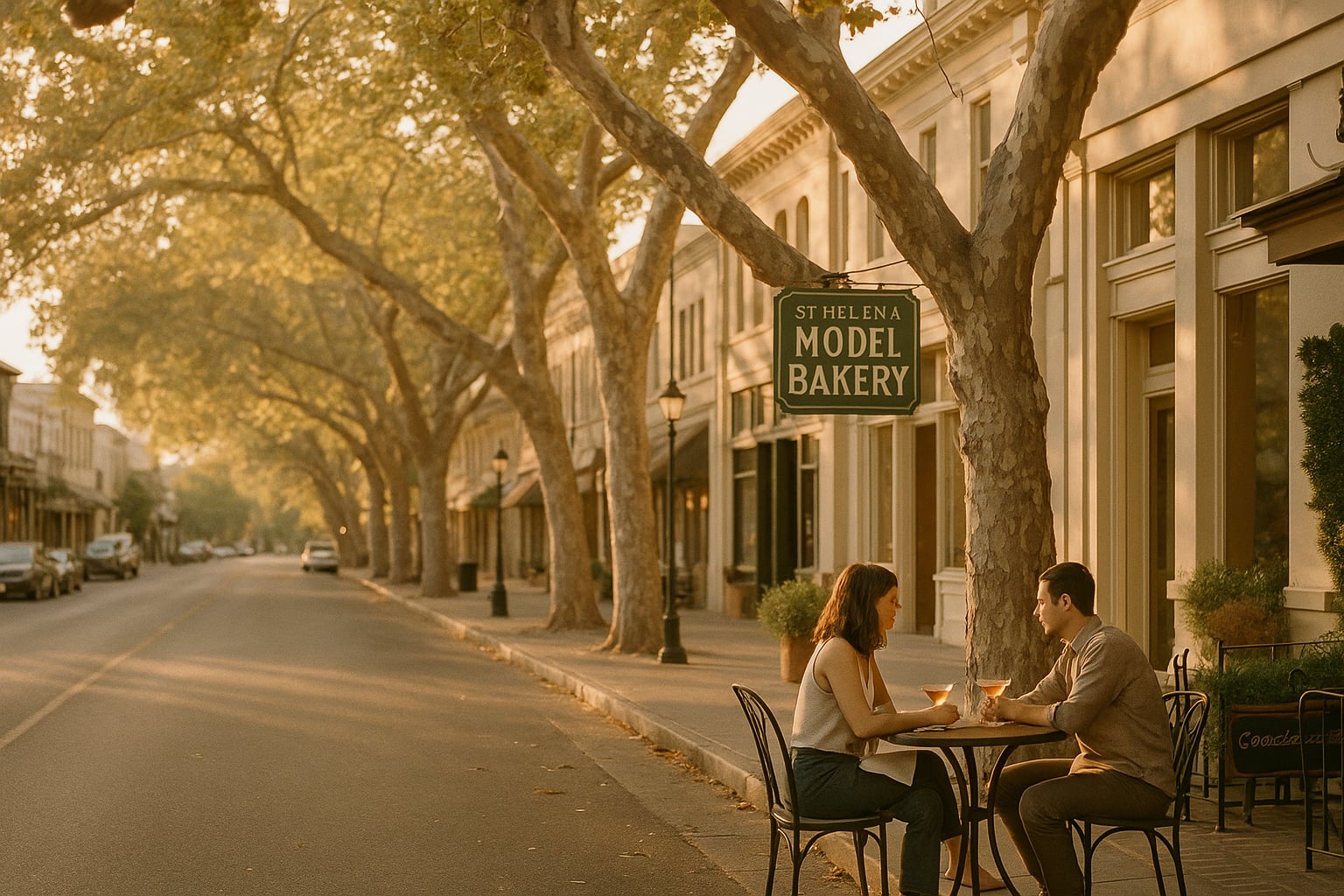
They didn't disappear. They just got… quieter. Texts went from fast to eventual. Plans started being made and then softened into maybes. The good morning stopped. The voice notes stopped. You told yourself they were busy — and they probably were, sometimes. But something else was also happening, and you knew it before you let yourself know it.
This is the slow fade. Ghosting's more sophisticated, much more deniable successor.
What the Slow Fade Actually Is
Classic ghosting had a timestamp. You could point to the last message, the date it was left on read, the night the calls stopped. Clean wound. Awful, but legible.
The slow fade has no timestamp. It's a gradient. Presence becomes intermittent becomes occasional becomes technically-still-here. The person doesn't leave; they just keep reducing their footprint until you're not sure there's anything left to lose.
And because nothing catastrophic happens, there's nothing to point at. No fight. No goodbye. Just a relationship slowly cooling, like a room where someone forgot to check the thermostat.
Why It's Harder Than the Ghost
When someone ghosts you, they hand you something clear to react to. Fury, grief, a story you can tell. Your friends rally. You delete the thread.
When someone slow-fades you, they leave you nothing to hold. Every time you try to articulate what's wrong, you sound paranoid. They texted yesterday. They liked my photo. They said we should do something soon. The evidence of presence keeps undermining your gut.
You stay, not because things are good, but because they're not definitively bad. That's the trap. The fade exploits your own reasonableness against you.
The Micro-Behaviors That Signal It
You won't notice any single one. That's the point.
Response time stretches. Not dramatically. Just from same-day to next-day to whenever. You start noticing you're always the one who texts first, then you start resenting it, then you start testing it — waiting longer before you reach out, to see if they will. They don't.
Depth goes first. The conversation stays warm but becomes surface-level. You talk about things, not feelings. You share content — a video, a meme, a news story. You stop sharing what actually happened in your day. Neither of you calls it out.
Future plans go soft. We should go to that place in Healdsburg sometime. Let's find a weekend. No date is ever set. The future becomes a weather system you both reference without committing to.
Physical presence fades last. If you're still seeing each other, the sex might still happen — but the skin-to-skin stillness afterward stops. They check their phone. They have an early morning. The warmth is there; the weight of another person choosing to stay is not.
Who Does This — and Why
Not monsters. Usually people who are conflict-averse enough to avoid a conversation they know will hurt, and self-aware enough to know they're doing it, and not brave enough to stop.
Sometimes it's fear. Sometimes it's exhaustion. Sometimes the connection was real and they don't know how to close it without admitting it mattered. The slow fade lets everyone pretend it just… ended on its own. Like a season.
The slow fade is for people who want to exit without having to say they're leaving. It keeps their hands clean. It hands you the work of figuring out what happened.
— MLL
They're not always villains. But they're making a choice, every time they choose not to say the thing.
The Part Nobody Talks About: You Might Be Doing It Too
This is the uncomfortable part.
You might be on the fading end of something right now. You might be leaving someone in that liminal space of not-quite-here, not-quite-gone. Reducing your texts. Making softer plans. Keeping the option open because closing it requires you to say something true out loud.
It doesn't make you a bad person. It makes you someone who hasn't yet decided that the other person deserves the clarity you'd want.
The ask is simple and genuinely hard: say the thing. Not cruelly. Not with a list of reasons. Just honestly. I don't think this is going where I thought it was, and I don't want to waste your time or mine. That's it. It takes four minutes and it's one of the kinder things you can do for another person.
How to Know When You're Being Faded
Your body usually knows before your brain agrees to.
You're checking your phone more than feels normal. You're constructing explanations for their behavior — good ones, reasonable ones. You're shrinking your needs to match what they're offering. You've stopped mentioning them to your friends because something about it feels embarrassing to explain.
Ask yourself one question: if you saw exactly this pattern of behavior from someone you didn't like, what would you call it?
What to Do About It
You have two real options, and one fake one.
The fake option: wait it out. Hope the warmth returns on its own. This is almost never a strategy; it's just delay with more anxiety attached.
Option one: name it. Not as an accusation. As an observation. Hey — I feel like something's shifted between us. Am I reading that wrong? You're not demanding. You're just refusing to pretend you haven't noticed. Some people, given the opening, will tell you the truth. Some will reassure you and then keep fading. Either way, you learn something.
Option two: decide the answer without asking. Look at the last sixty days. Count the initiations. Feel the quality of the last three conversations. If you know, you know. You don't always need a confession to act on what's true.
Either way, the move is forward. Not waiting in the dim light for someone to turn it back up.
The Real Grief Is the One Without a Clear Cause
Classic heartbreak has a narrative. The slow fade gives you ambiguity, and ambiguity is harder to grieve.
You end up mourning something that technically didn't end. Mourning the version of this that you thought was building toward something. Mourning the Sunday mornings and the half-plans and the warmth that was real even when the intention behind it wasn't.
That's a real loss. Let it be one. You don't need a definitive ending to call it done. You don't need them to confirm what you already know.
The slow fade is designed to make you question your own read. The clearest counter-move is to trust it.