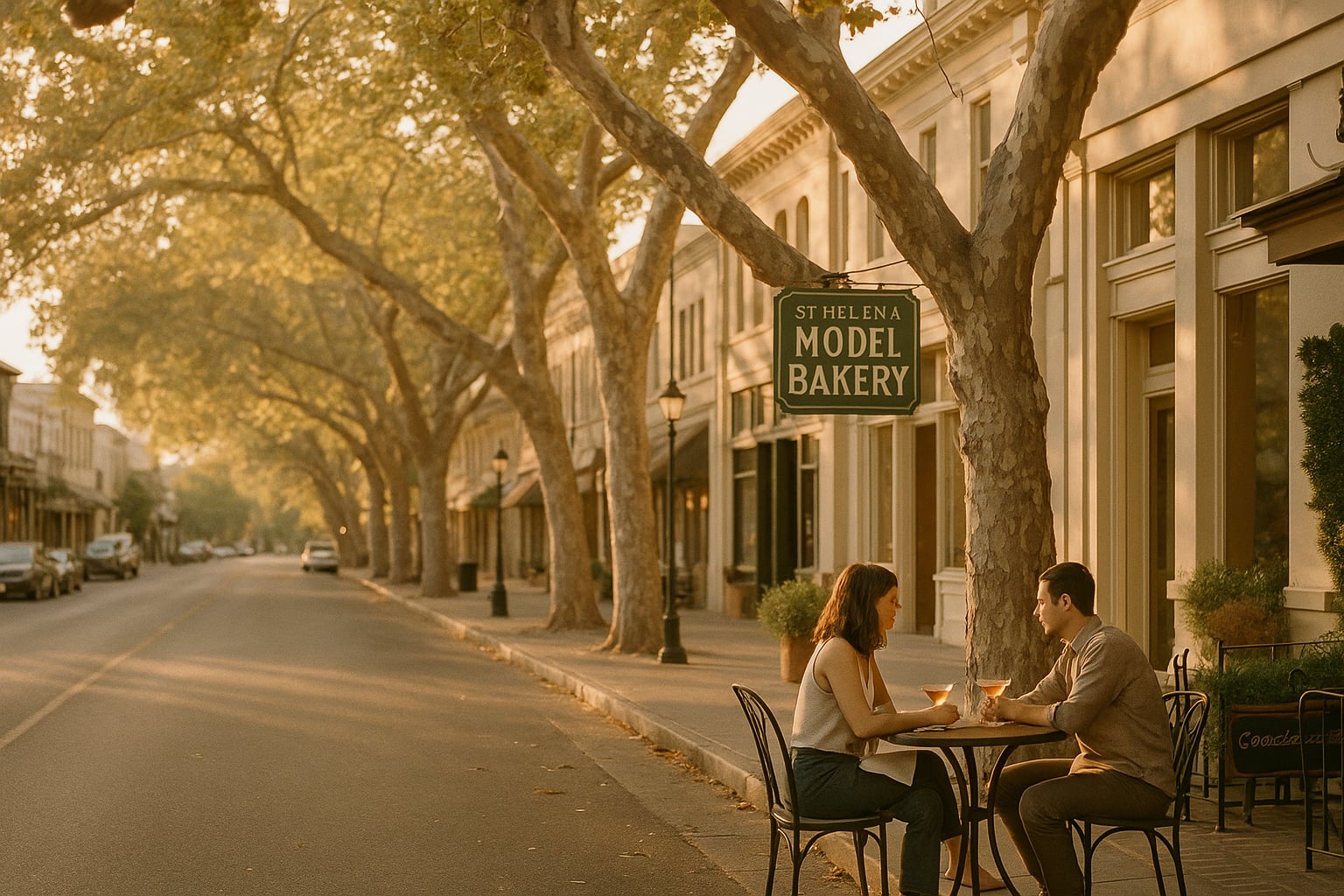
There's a thing you want in bed — or close to it, or in the lead-up to it — that you've never said out loud. Not because you're embarrassed. Not because you've decided against it. But because every time you reach for the words, they don't quite fit, and you let it go.
You know it by its absence. The slight flatness after something that was otherwise fine. The specific daydream that keeps returning without ever resolving. The thing you almost asked for and then didn't.
This is about that.
Why Unnamed Desire Stays That Way
Most people assume that if they wanted something clearly, they'd know what it was. That desire comes pre-labeled: I want this. But a lot of what drives actual arousal — the texture of it, the specific dynamic, the thing that would make a night feel complete rather than just good — doesn't arrive with a name attached.
It arrives as a feeling. A pull toward something. A small frustration with what's available, as if a menu is missing a dish you can almost taste.
The problem isn't that you're suppressing it. It's that articulation takes effort, and most people skip the effort because they're afraid of what they'll find, or because they don't know where to start, or because it feels vaguely high-maintenance to want something that doesn't have a clean word.
The Inventory That Isn't a List
The standard advice is to make a list. Wants, needs, fantasies — column A, column B. But desire doesn't live in columns. It lives in the gap between what happened and what you were hoping for. It lives in the scenes you rewind.
So start there instead. Not with what you want in the abstract, but with what lingered. The moment last week that you kept thinking about. The scene in something you watched or read that landed harder than expected. The memory you return to — not because it was perfect, but because something in it was.
Don't ask what do I want? Ask what already has my attention? That question is easier. The brain answers it without feeling interrogated.
Mapping the Edges
Once you have a scene or a feeling to work from, get specific about what in it is doing the work. Not the whole thing. The part.
Was it the dynamic? The physical sensation? The atmosphere — low light, quiet, the weight of being somewhere away from ordinary life? Was it about control, or surrender, or just being truly looked at? Was it about novelty, or was it about depth and familiarity taken further?
These questions narrow the shape. You're not trying to produce a sentence you can hand to a partner yet. You're trying to get close enough to the thing that it stops being a blur.
You don't need perfect language. You need direction. Even 'warmer' and 'colder' is a map.
What the Body Already Knows
There's a reason this kind of mapping works better in certain states. Not distracted, not rushed. Somewhere between awake and not. The bath. The long drive out of the city, past Healdsburg, when the vineyards start and your shoulders finally drop.
Your body has opinions that your analytical mind keeps overriding. The physical sensation of thinking about something: where it lands, how it sits, whether it contracts or opens. That's data. Cheap to gather and consistently accurate.
Warmth at the thought of it, or discomfort, or that specific combination of both that usually signals you're close to something real. These responses exist before language. Sometimes they're all you have to go on. That's enough to start.
The Permission Piece
Some of what stays unnamed does so because you're not sure you're allowed to want it. Not legally, not ethically — just personally. As if wanting a certain thing would revise your identity in a way you're not ready to accept.
That hesitation is worth examining, but gently. The question isn't what does this say about me? That framing dead-ends fast. The more useful question is: does wanting this harm anyone, including me? If the answer is no, the rest is just novelty. Or preference. Or curiosity. None of which require a verdict.
Desire that sits outside your existing self-concept isn't a problem. It's usually where the most interesting territory is.
Before You Bring It to Someone Else
Here's where most people skip a step. They go from I have a vague sense of a thing straight to trying to articulate it to a partner, and then feel exposed and inarticulate when it comes out wrong.
The intermediate step is practicing the language alone first. Write it down if you need to. Not a formal statement. A rough sketch. What's the feeling? What's the context? What would need to be present — in terms of mood, setting, dynamic — for it to land?
You're not writing a script to deliver. You're just getting familiar with your own terrain so you can describe it without flinching mid-sentence.
What Handing It Over Actually Looks Like
It doesn't have to be a conversation with a formal beginning. Some of the most effective versions happen sideways. In the car. In the five minutes before the light goes out. When neither of you is performing attentiveness.
There's something I keep thinking about and I don't totally have words for it yet is a completely legitimate opening. It signals intent without requiring you to have the whole thing figured out. Most partners lean in to that. It's more interesting than a fully formed request.
What you're doing is making the unmapped thing visible — first to yourself, then to someone else. That's the whole move. Naming it precisely comes later, if at all. Some things stay partially language-resistant, and you figure them out together by feel.
The Part That Takes More Than One Conversation
Not everything resolves cleanly. Sometimes you follow the thread, bring it to someone, try a version of it — and realize the thing you wanted was actually one layer deeper. The scene you enacted was right, but the feeling you were looking for wasn't quite there.
That's not failure. That's the map getting more detailed. You're still closer than you were.
Desire that sits outside language often does so because it's layered: the physical thing, and underneath it a need for a specific dynamic, and underneath that something about being fully seen in a context where your ordinary self isn't running the room. Getting to the bottom of it is ongoing. It doesn't resolve in a single night in Yountville with a bottle of something good and finally honest conversation.
Although that doesn't hurt.
The thing you want that doesn't have a name yet isn't waiting for you to become more articulate. It's waiting for you to get curious about it without immediately demanding it justify itself. Start with what already has your attention. Get specific about the part that's doing the work. Give it language that's rough and honest before you make it polished and presentable.
You don't hand someone a map of unmapped territory. You take them to the edge and start walking.