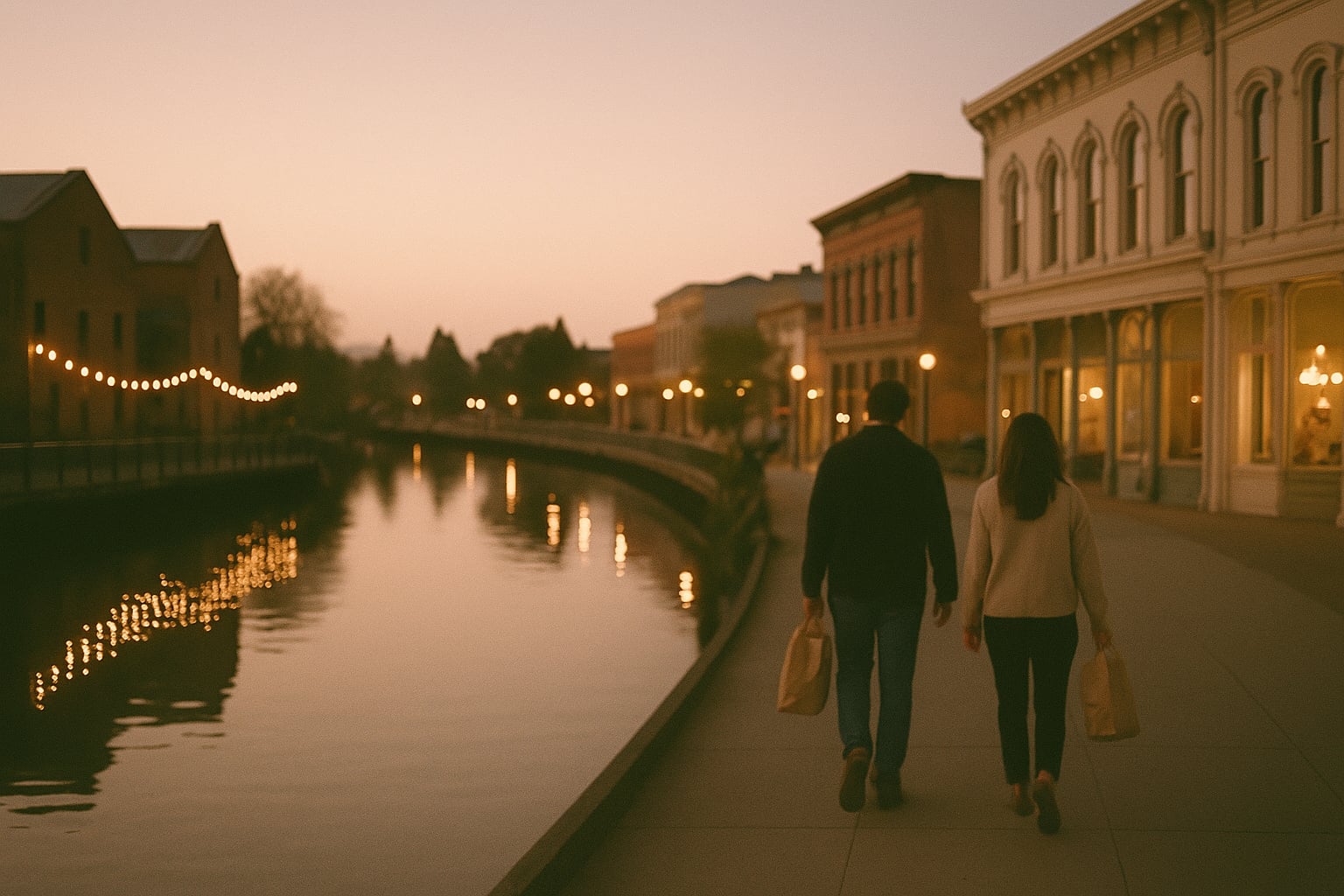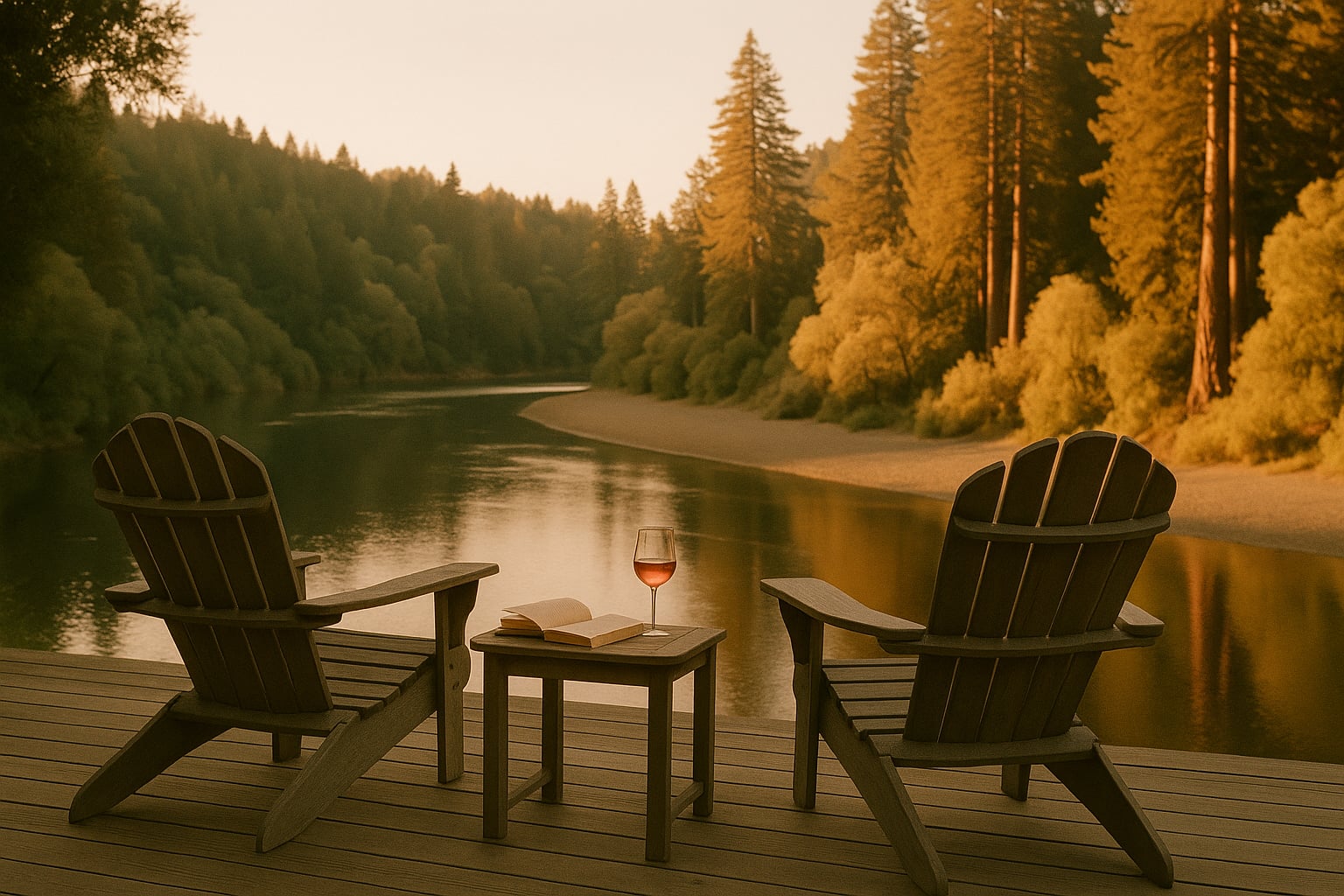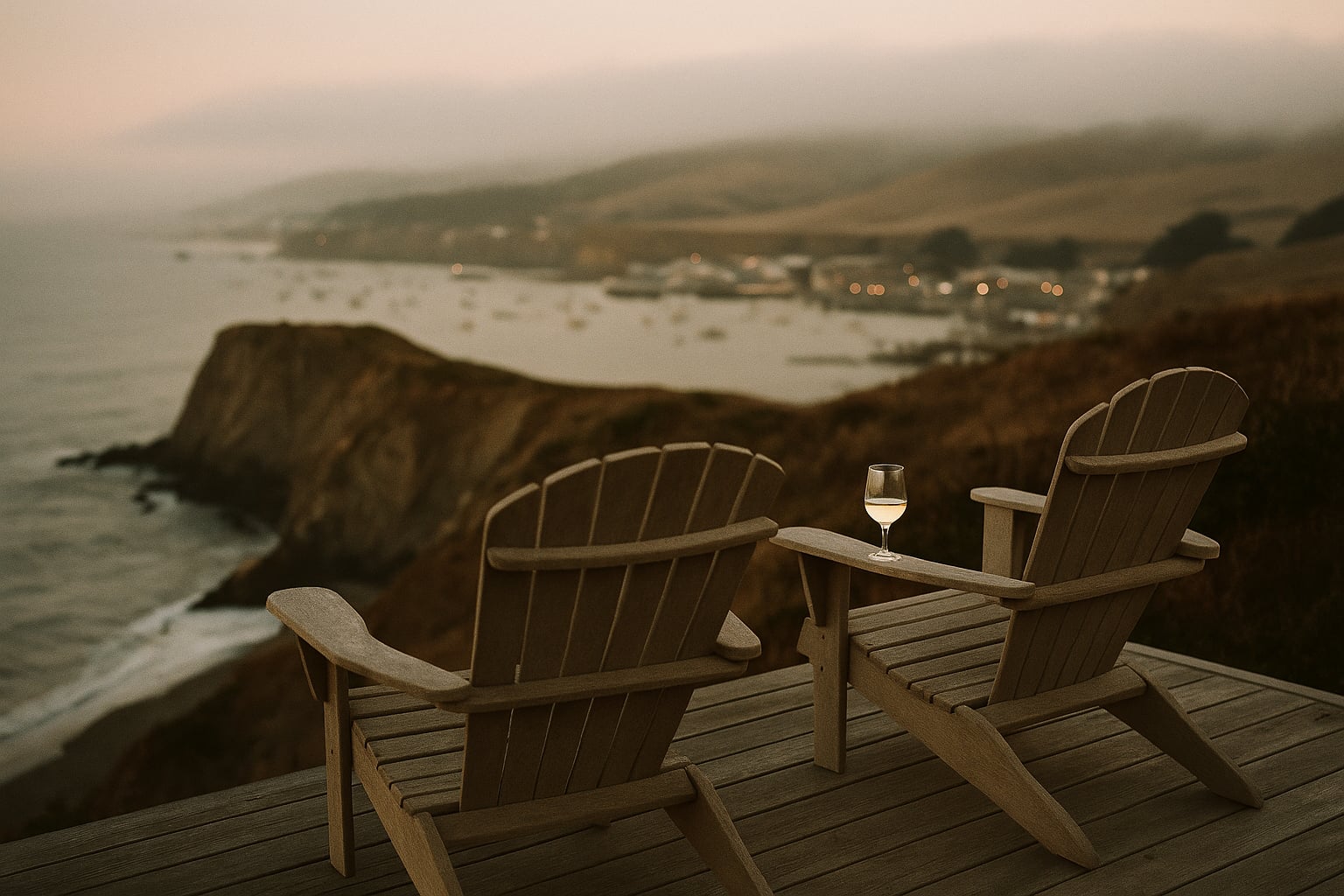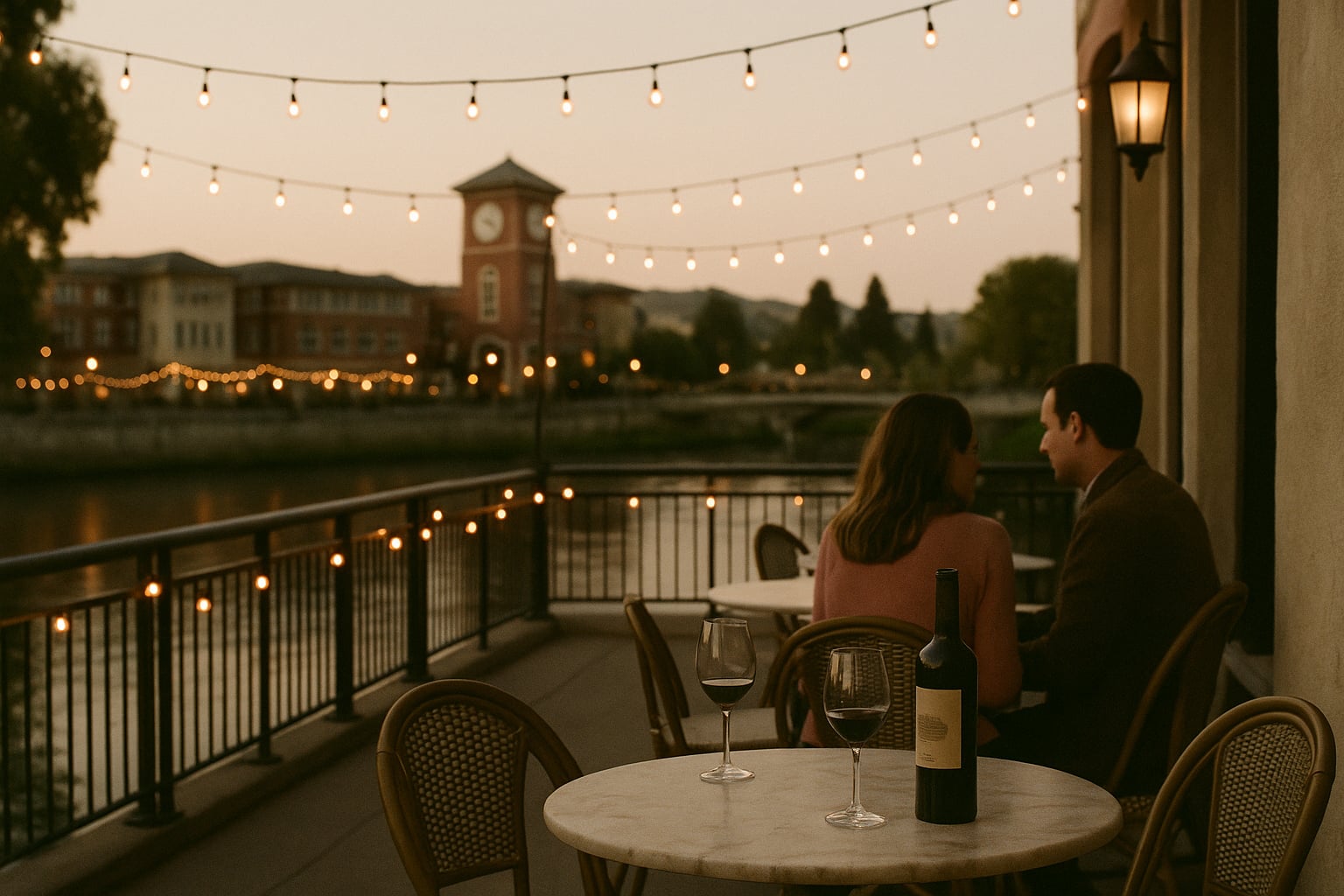
You've driven past it a hundred times. A small wine bar off the Healdsburg plaza, maybe. A patio at a Dry Creek producer with two empty seats and afternoon light doing something indecent to the barrel room behind it. You slow down. You think: next time, with someone. And then you keep driving.
That's the reflex. Wine is a social prop. It exists, in our heads, to accompany someone. A date, a friend, a celebration. Walking in alone feels like an admission of something. Like you're doing it wrong.
You're not. You're just doing something most people haven't tried.
What Date Night Actually Does to You
Date night is good. Nobody's arguing against it. But it comes with a quiet performance pressure that most couples don't name. You're supposed to be present, engaged, a little charming. You're supposed to not bring up the thing that happened Thursday. You're monitoring the mood, reading faces, managing the evening.
That's not nothing. It's actually a lot. And it means you often leave a date night having performed connection more than experienced it.
The solo glass asks nothing of you. No one is watching to see if you're having fun. No one needs you to be interesting right now.
What Sonoma Does to Midweek
Tuesday in Healdsburg. Or Wednesday. The plaza is quiet enough that you can hear the fountain. The tasting rooms aren't staffed by someone who's given the same speech forty times already that day. The bartender at a small producer on West Dry Creek Road actually has time to talk, or to leave you alone: both of which are luxury in their own way.
Indian Springs in Calistoga has a pool that's almost empty by three on a weekday. Solage has that particular afternoon stillness where the light goes warm and slow. You don't need a reservation. You don't need a reason. You need a car and one afternoon with nothing owed to anyone.
There's something that happens when you're sitting at a bar with a glass of something properly made — a good Dry Creek Zin, a white Rhône from a producer nobody sent you to — and you have no one to explain it to. You just taste it. That's rarer than it sounds.
The Self You Keep Forgetting Exists
Long relationships do a specific thing. They're wonderful and also: they slowly absorb your solo self into the couple self. Not maliciously. Just through repetition. You start having opinions about wine that are actually a blend of yours and theirs. You order the thing you know they'll want to try. You notice the thing you think they'd like.
None of that is bad. But it means you haven't ordered purely for yourself in a while. Haven't sat with your own reactions, untranslated.
The solo afternoon in Yountville, or at a small bar off the Sonoma plaza with a good by-the-glass list, gives that back. You find out you actually prefer the rosé. That you don't need food with it. That you like sitting at the bar more than a table. Small things. But they're yours.
She'd been partnered for nine years. She sat down at a bar in Healdsburg alone for the first time on a Tuesday in October. The bartender asked what she liked. She realized she wasn't sure. That felt important.
— MLL
The Specific Mechanics of Going Alone
Sit at the bar, not a table. Tables are for groups. The bar is where the solo glass actually belongs — there's a bartender, there's ambient conversation if you want it, and nobody wonders why you're alone because everyone at the bar is a little alone by definition.
Leave your phone in your bag for the first twenty minutes. Not forever. Just long enough for your nervous system to stop scanning for input and start noticing the room. The weight of the glass. The smell of the place. Who else is here on a Tuesday.
Order something you've never tried. Not because self-improvement, but because there's no one to confer with and no one to disappoint if it's wrong. That freedom is the whole point.
What It Does for the Relationship You Come Home To
Here's what no one tells you: the solo afternoon makes you better at the date night. Not because you've recharged or reset or any of that language. Because you remembered something specific about yourself that you can actually bring back.
You come home having had an experience that's yours. You have something to say that isn't logistics or the week's damage report. You walked into a place alone, made your own decisions, talked to a stranger or didn't, and came back a person with an afternoon in them.
That's interesting. Your partner will notice. Not because you made it interesting — because it actually was.
The Part That Feels Strange at First
The first five minutes are the hardest. You walk in, you pick a seat, and you have approximately thirty seconds of that low-grade social exposure feeling. Like everyone is clocking that you're alone. They're not. They're thinking about their own glass.
Push past it. Order. Touch the bar. Feel the stem of the glass. The room gets smaller and more comfortable very quickly. This is the body adjusting. Let it adjust.
By the second glass — if you stay for a second — you'll wonder why you always needed someone with you. Not in a sad way. In the way of a small, useful discovery.
The Version of This That Isn't Sonoma
You don't have to drive to wine country. The logic holds at a good bar on a Tuesday in any city. The specifics of Sonoma — the light, the quiet, the fact that wine is the point of being there rather than an accessory to it — make the experience more concentrated. But the principle is portable.
Find a place with a proper by-the-glass list and a bartender who isn't performing hospitality. Sit down. Be a person by yourself for an hour. That's it. That's the whole thing.
The wine bar you never walk into alone is waiting. It doesn't care what day it is. It doesn't need you to bring someone. And it will not, under any circumstances, ask you how the week was.