It starts with "want to take a walk?" And you both know it's not about the walk.
Something was said earlier. Or not said. Or you've been carrying something for three weeks and keep waiting for the right moment, which never arrives at the dinner table or in bed or in the car with the radio filling the silence.
Then you're outside, moving, and ten minutes in, it just comes out.
This isn't a coincidence. It's physics. Or close enough.
What Face-to-Face Actually Does
Sitting across from someone, especially someone you love and are also currently frustrated with, is a lot. You're managing your expression. Reading theirs. Noticing when they blink too fast or go still.
Eye contact at close range triggers a low-grade threat response. Not consciously. But the nervous system doesn't distinguish between conflict and confrontation. It just registers: face, close, stakes.
This is why the worst conversations happen at kitchen tables. Too much information coming at you. Not enough room to think.
The hardest thing I ever told him, I told him while we were walking through a parking lot. I couldn't have said it looking at him.
— reader submission
Why Parallel Changes Everything
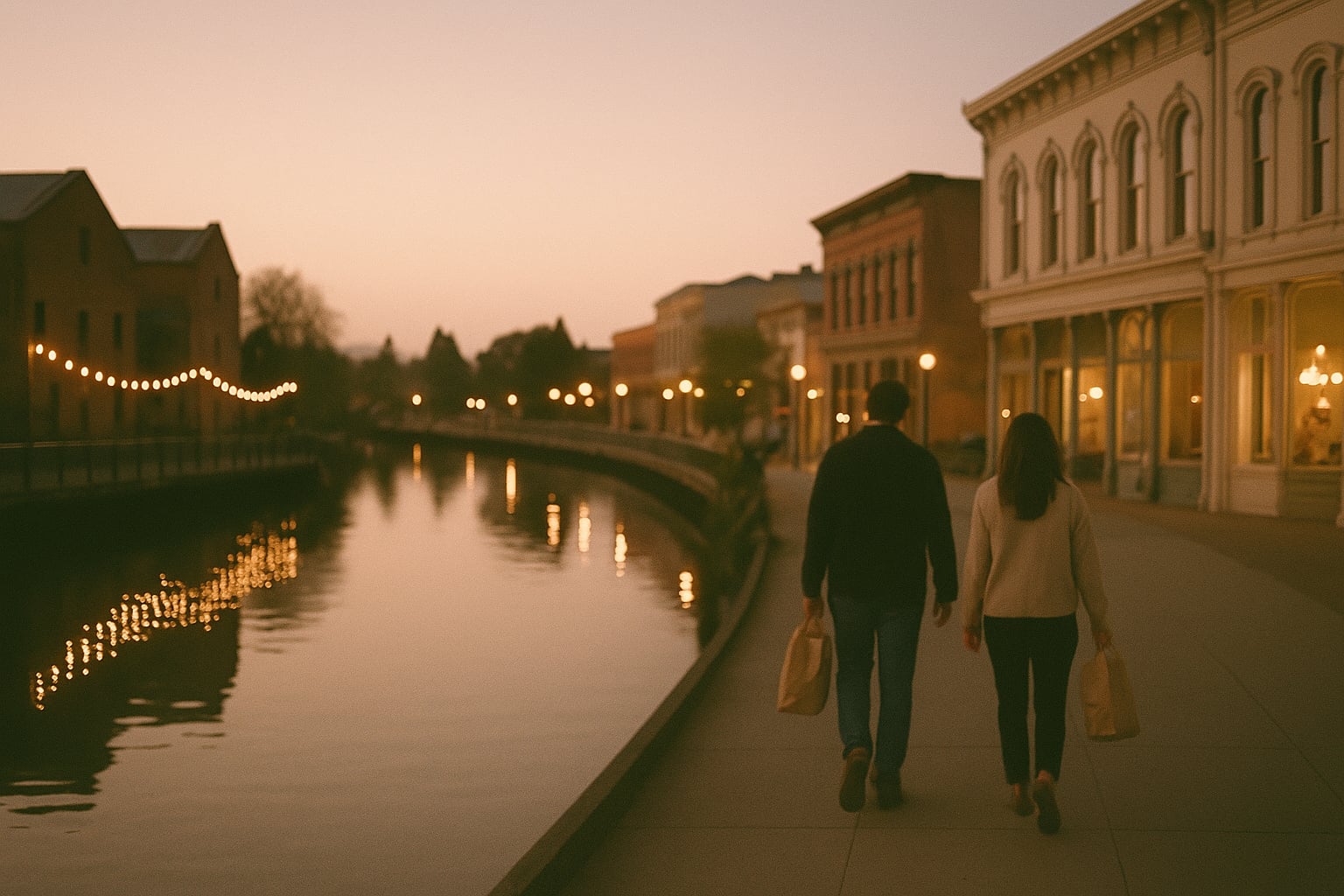
Side by side removes the performance pressure. Nobody's watching anybody. You're both just watching the sidewalk, the street, the dog across the road.
The gaze goes forward. The body is occupied. And something in the brain quiets down enough to let the honest thing surface.
There's also rhythm. You fall into step together without trying. That synchrony does something. It creates a physical sense of being on the same side, which is exactly what hard conversations need to feel true.
The Conversations That Only Come Out This Way
Not the logistical ones. Those happen at the counter, over phones, in text threads. The walk handles different material.
The quiet resentment you've been managing. The thing you want that you haven't named yet. The version of your future you're not sure you both still share. The grief that arrived right after good news and made no sense.
The stuff that lives in the body before it lives in language. Walking gives it somewhere to go.
Long-term couples especially know this. After years of logistics creep, the walk is sometimes the only space left that hasn't been colonized by scheduling and responsibility. It's unstructured. Nobody booked it. Nobody's tracking the outcome.
There's No Agenda, and That's the Point
Scheduled check-ins have their use. But they also create a format, and formats create pressure. You show up to the format prepared to say the right things.
A walk has no format. You can be quiet for twelve minutes and it doesn't mean anything's wrong. Silence on a walk feels different from silence at a table.
At a table, silence is a problem to solve. On a walk, it's just weather.
Where This Gets Interesting
Some couples use the walk deliberately without acknowledging that's what they're doing. One of them suggests it when the air in the apartment has gotten thick. The other says yes without asking why. They both know.
It's a gesture. Like certain touches that ask a question without asking it. Not maintenance. A signal.
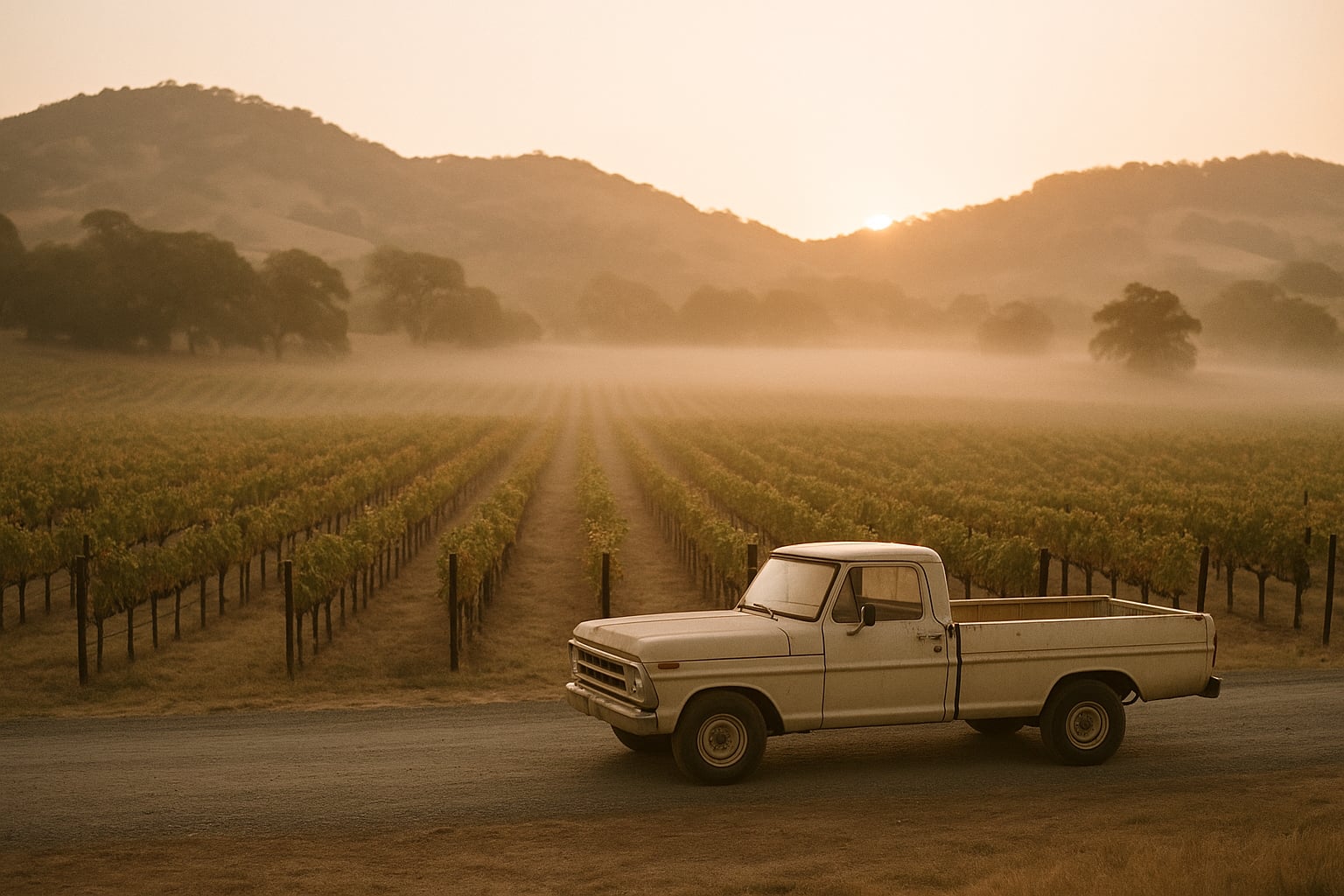
In Wine Country, this plays out differently. You wander the Healdsburg plaza after dinner when the tables started to feel small. You take the long way back through the vineyard rows at Solage because neither of you is ready to go inside. The walking and the landscape do something together. The scale of it makes the conversation feel less enormous.
That isn't nothing.
The Catch
You have to actually go. Which sounds obvious until you notice how often one person suggests it and the other says give me five minutes and then the moment dissolves into the evening and nothing gets said.
The walk only works if you take the walk.
It also doesn't fix anything. It just creates the conditions. You still have to say the thing. The motion helps, but it doesn't do the work for you.
How Couples Actually Use It
After a hard night, not during it. One of them says let's get out of the house, and it means: I'm not done, but I can't do this in here anymore.
As a reset after a weekend that somehow missed. Sunday evening, shoes on, nobody speaks for the first block. Then someone does.
As a ritual that isn't called a ritual. Same route, most nights. The route itself becomes part of the language.
As the place where desire gets named. Not the bedroom. The walk, the night air, one of them finally saying I've been wanting to tell you something and the other saying yeah, I know.
One Simple Thing
Next time the apartment feels too loud even when it's quiet. Next time the face across the table looks like a test you haven't studied for.
Just say: want to walk?
Leave your phone. No destination. No plan to discuss anything specific.
See what comes out.