It happens in the middle of something ordinary. They're telling a story at dinner — a table you've sat at a dozen times, wine you've ordered before — and they use a word you've never heard them use. Their face does something. You think: who is that.
Not in a bad way. In the way that stops you mid-bite.
You've known this person for three years, or seven, or fourteen. You know how they sleep. You know the specific sound they make when they're annoyed at the news. And yet, right now, there is something in front of you that you haven't seen before.
This isn't the beginning of doubt. It's the opposite.
People Change. Most Couples Miss It.
The default assumption in long relationships is that you've taken inventory and filed it. You know them. Case closed. It's not lazy — it's what the brain does. Familiarity is efficient. The problem is that people are not actually static, and treating them like they are is a slow, quiet way to lose them while they're sitting right next to you.
They've been reading something new for six months. Their politics have shifted, barely, but noticeably. They tried something at work that scared them and it worked. They talked to their mother and came out the other side different. None of this was announced.
People don't arrive at the door with a changelog.
What the Falling-Again Feeling Actually Is
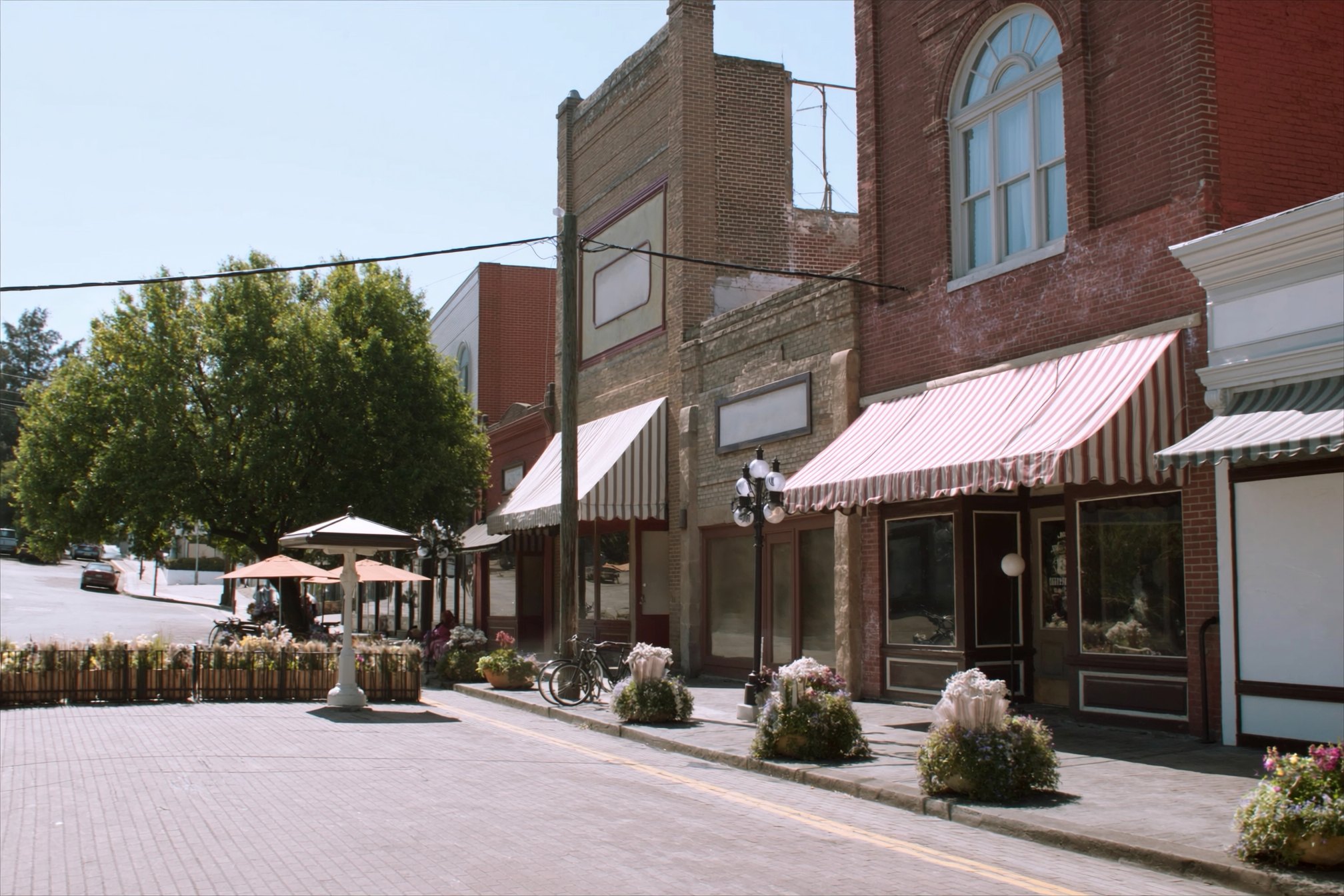
It's not nostalgia. It's not a trick of candlelight or a bottle of good Pinot Noir on the Healdsburg plaza. It's a moment of actual perception: you looked, and you saw something real.
The person you fell for originally was a version — incomplete, early, assembled from limited data. Every version since has been a revision. The one in front of you right now is the most complete they've ever been. Falling again isn't sentimental. It's accurate.
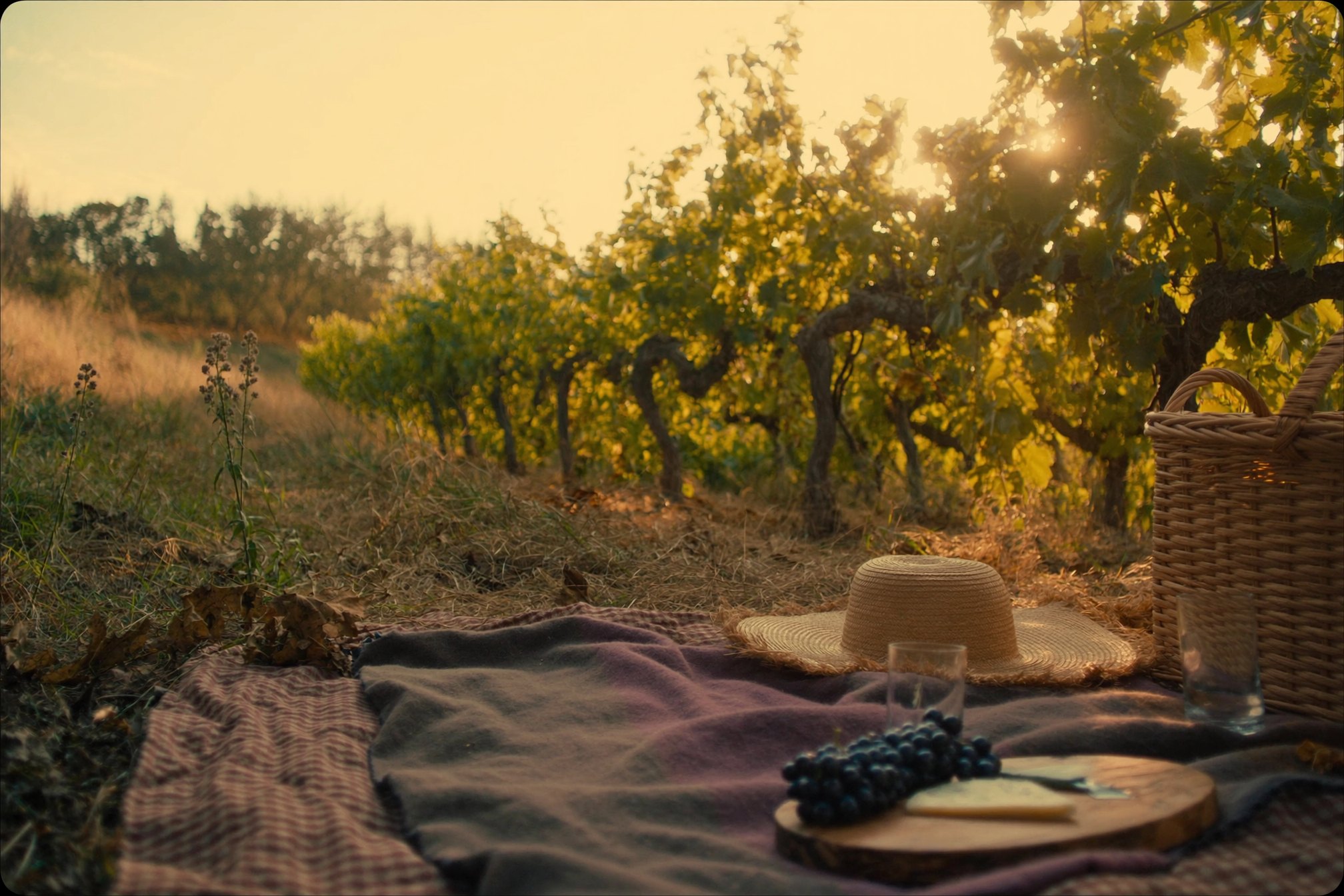
And it tends to happen in specific conditions. Not on scheduled date nights. Not when you're trying. It happens when you're both slightly outside your usual context: a new city, a long drive through Sonoma backroads with no particular destination, a dinner where neither of you checked a phone. Somewhere the normal script isn't running.
You can only see someone clearly when you stop predicting them.
— MLL
The Conditions That Make It Possible
Think about when it last happened. Probably not a Tuesday at home. Probably somewhere that created a small amount of friction with the routine: a weekend away, an unexpected conversation that went somewhere, a party where you watched them talk to strangers and remembered that other people find them interesting too.
Distance does it — not emotional distance, physical perspective. Watching your partner from across a room, mid-laugh, doing something competent and easy, can reset your eyes. You stop seeing my person and briefly see a person. It sounds like a small distinction. It isn't.
Novelty does it too, but not the novelty that's performed. Not a manufactured surprise. The kind that happens when someone in a long relationship says something they've never said before because they've never felt safe enough, or ready enough, or awake enough to say it. That's the version you haven't met yet.
The Versions You Might Have Missed
There's the version of them that only exists in professional mode — competent, focused, slightly different posture. If you've never seen them work, you don't know this person.
There's the version that comes out at 11 PM, loose and unguarded, when the day's performance is finally over. Some people are barely recognizable by midnight: softer, stranger, funnier.
There's the version that appears in a new country, or even just a new neighborhood — slightly bolder, slightly more willing to try things, freed from the weight of being known.
And there's the version that shows up after a hard thing: grief, failure, something they almost didn't survive. That one tends to stay. It's also often the one that knows itself best.
Why Couples Stop Noticing
It's not because they stopped caring. It's because routine closes the aperture. You're solving logistics. You're tired. You're coexisting with someone who feels known, which means the brain stops spending energy on perception and starts running shortcuts.
Shortcuts are useful. They also make you functionally blind to the person standing in your kitchen.
The other thing that shuts it down: certainty. When you've decided who they are, you stop being surprised by evidence to the contrary. A new opinion gets filed as that's unlike them and discarded. A new interest gets minimized. The map gets protected instead of updated.
How to Create the Conditions Without Manufacturing Them
You can't force the moment. You can clear room for it.
Get them talking about something they haven't told you about yet. Not their childhood — you know that archive. Something current. What they've been thinking about lately. What they've been quietly annoyed by. What they find embarrassing to admit they care about now.
Watch them with other people. Not jealously. Curiously. Notice who they are when they're not being your partner. That's also them.
Change the room. Literally. A slow dinner somewhere neither of you has been, with no phone and no agenda, does more than most intentional conversations. The slow dinner isn't a romantic concept — it's a container that removes the usual interference.
And sometimes: stop filling the silence. The version of them you haven't met yet might be waiting for a gap in the noise to arrive.
The Thing Worth Knowing
Long-term love doesn't plateau and hold steady. It cycles. It contracts into habit, then cracks open again when something shifts. The falling-for-them-again moment isn't a sign that you lost something and found it. It's a sign that you both kept moving and occasionally you catch up to each other.
There will be a version of them six months from now that doesn't exist yet. Something will happen — small or large, internal or external — and they'll arrive at a new configuration. The question is whether you'll be paying enough attention to notice when they do.
The version you fell for originally is somewhere in there still. So is everyone they've been since. So is everyone they haven't become yet.
That's not instability. That's a person. And if you're lucky, they're looking at you with the same thought: there's someone here I haven't fully met.
Related: Saturday Morning, After Eleven Years · The Compliment You Stopped Giving · The Sonoma Backroad Drive with No Destination · Coming Out Again, Quietly: Identity in Long Relationships