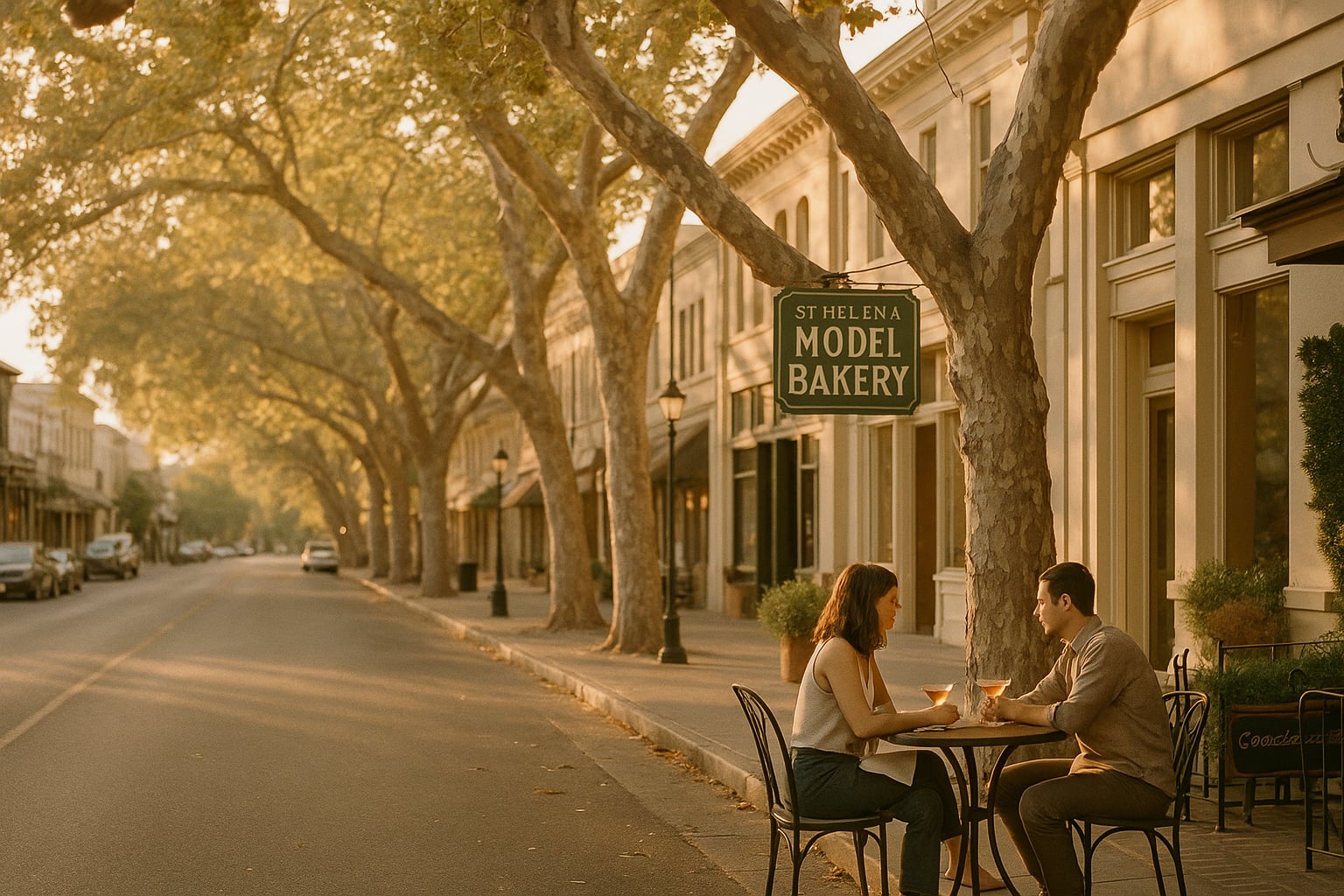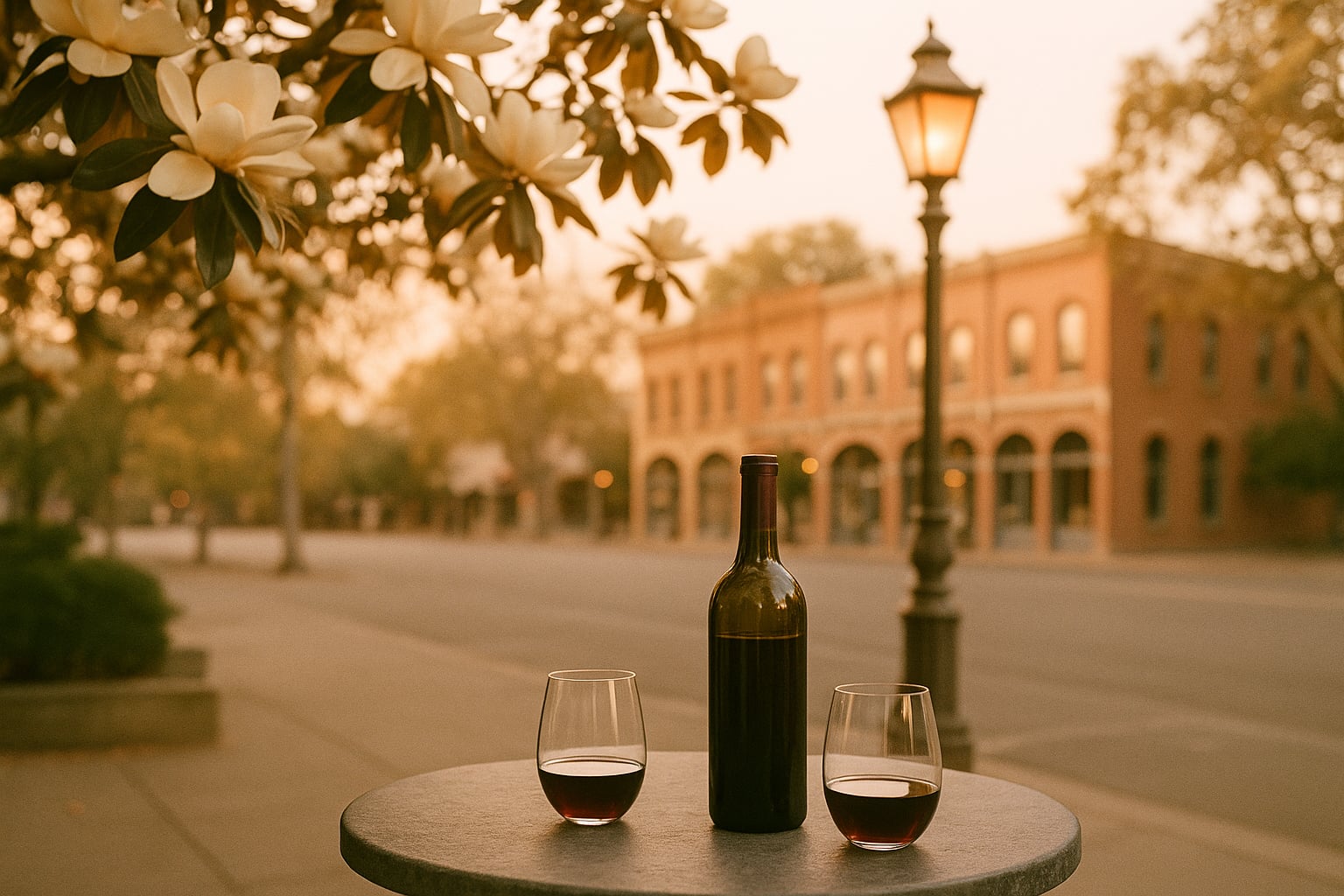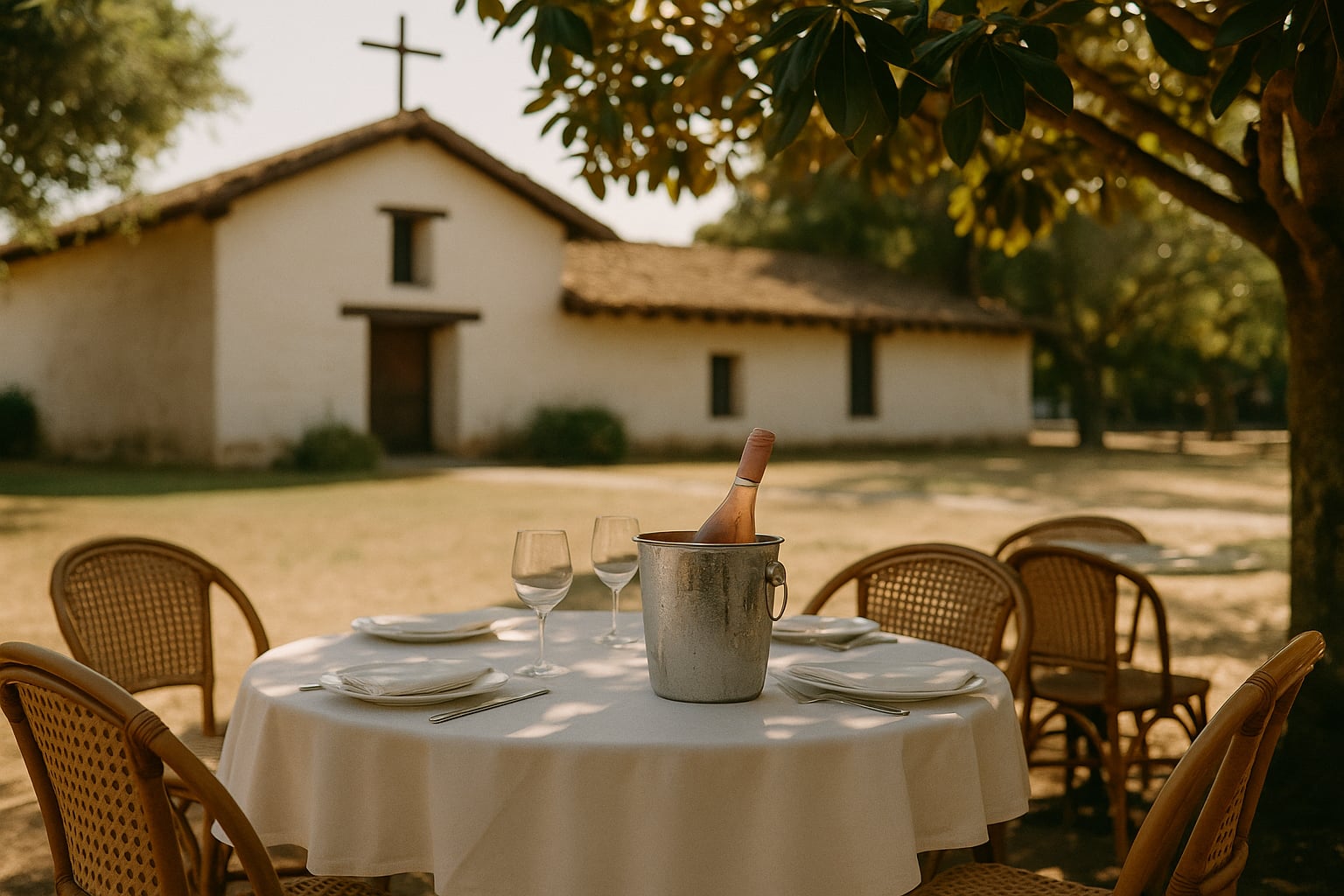
You book the table at the same restaurant. The one from the third date — or maybe the fifth, the one where something shifted. You tell yourself it's because the food is good. And it is. But that's not why you booked it.
You booked it because that version of the night still exists somewhere in your body. The anticipation, the good lighting, the version of the two of you who didn't yet know how the other one fought or went quiet or needed too much space after a hard week.
The ritual is real. The impulse behind it is worth looking at.
Nostalgia Is Not the Same Thing as Intimacy
There's a particular kind of date night that's more séance than celebration. You're not spending an evening with your actual partner. You're trying to conjure someone. The early version. The one who was all possibility and zero history.
This is not cynicism. Early-relationship energy is genuinely good. The skin-awareness, the small electric charge of uncertainty, the way they looked at you before they knew all the ways you could disappoint them — that was real.
But that person is gone. So is the version of you who showed up for them. And repeating the choreography of those early nights doesn't bring either of you back. It just makes the distance between then and now more obvious.
You can recreate the location perfectly and still be in completely different rooms.
What the Ritual Is Actually Doing
Repetition in relationships usually signals one of two things: comfort or avoidance. Often both, wearing the same shoes.
The anniversary trip to Healdsburg — the same inn, the same walk down to the plaza, the same bottle ordered at the bar — can be a genuine anchor. A way of saying: this is ours, we built this, it still means something. That's legitimate. That version of the ritual is about presence.
But sometimes the same trip is a way of not having to figure out who you are to each other right now. If the weekend is already scripted, nobody has to improvise. Nobody has to be uncertain. Nobody has to admit that the dynamic has shifted and they're not sure yet what the new one looks like.
The ritual becomes a placeholder. A beautifully appointed one, maybe — good wine, good light, the particular warmth of a room at Solage at dusk — but a placeholder.
The Micro-Behaviors That Give It Away
You can usually tell the difference by watching what happens when something small goes off-script.
If the restaurant is fully booked and you both shrug and find somewhere new and it ends up being the better night: comfort ritual. It was always about the togetherness.
If the restaurant is fully booked and something deflates — a low-grade irritation, a sense that the whole evening is now off, a feeling that you've failed at something: avoidance ritual. The specific location was doing more emotional work than you realized.
Other signals: you talk about the original night more than the current one. You reference the early years as a kind of golden standard. You say things like remember when we used to so often that it becomes its own kind of static.
The Part Nobody Wants to Say Out Loud
Sometimes the ritual is about grief. Not for the relationship, but for a self.
The person you were on that third date was freer in certain ways. Less tired. Less formed. You hadn't yet made the professional compromises or the parenting sacrifices or the quiet agreements with yourself about what you were willing to stop wanting. That version of you walked into a restaurant and felt like someone with a lot of room ahead.
Booking the same table is a way of trying to feel that again. Which is very human. And very understandable. And also: it won't work.
The real intimacy — the version that's actually available to you — requires showing up as the person you actually are. Not the one from six years ago. Not the one you're hoping to become. The current, complicated, somewhat tired, still-curious one.
What Showing Up to Now Actually Looks Like
It's less cinematic than a recreated anniversary dinner. That's the thing nobody tells you.
It might look like going somewhere you've never been before and being a little awkward in it. Ordering something unfamiliar and having an actual opinion about it. Talking about something you've been avoiding for three weeks instead of defaulting to the comfortable shorthand you've developed over years.
It might look like a Saturday morning with no reservation at all — just the two of you in the actual texture of your actual life, noticing each other in it. Related: the kind of quiet that's either very close or very far, and learning to tell the difference.
Or it might still be Healdsburg. Still the plaza, still the good Pinot, still the same inn. But this time you're not trying to go back. You're bringing who you are now and seeing if it fits the room differently. It will. Rooms always feel different when you stop pretending.
How Do You Know if a Ritual Is Helping or Hiding?
Ask yourself what would happen if you couldn't do it. If the answer involves real grief — not inconvenience, but actual loss — that's worth sitting with. Rituals that can't flex are often rituals that are carrying too much weight for what they are.
Is It Bad to Recreate Early-Relationship Experiences?
No. The gesture isn't the problem. The intention matters. Revisiting a place because it's genuinely meaningful is different from revisiting it because the present feels too uncertain to inhabit. One is celebration. One is a coping mechanism in a good outfit.
What If Your Partner Loves the Ritual More Than You Do?
Then you have something actually interesting to talk about. Not at the table, necessarily. But soon. Because if one of you is going back and one of you is trying to move forward, that gap is the real conversation waiting to happen — not the wine list.
The best date nights aren't the ones that feel exactly like they used to. They're the ones where you both show up a little uncertain, a little changed, and still choose each other across the table anyway.
That's harder to photograph. But it's the thing that's actually happening.