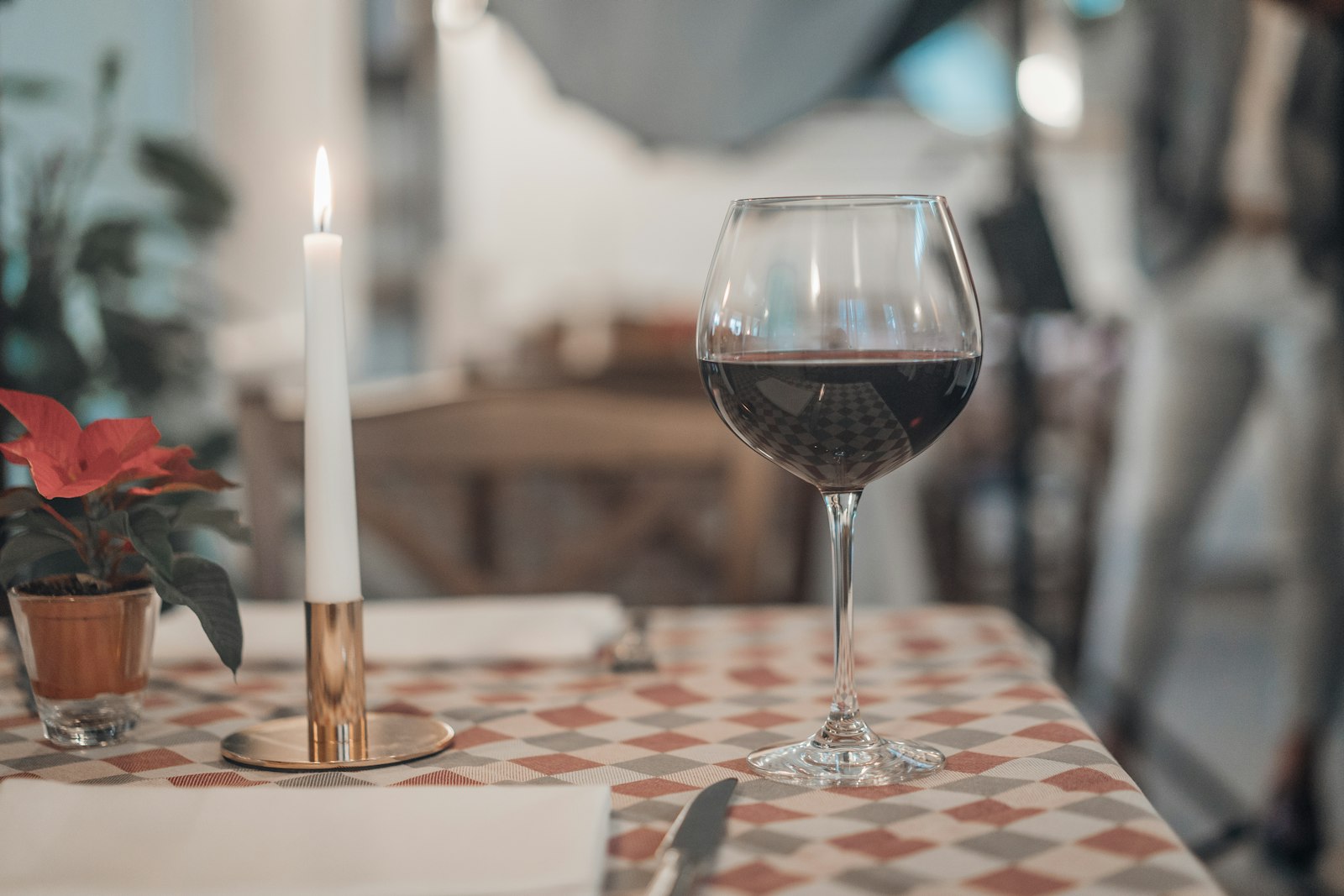
You almost didn't make it. The week was stupid busy. One of you had an early meeting the next morning. The restaurant was a forty-minute drive and you'd have to leave by nine to get home at a reasonable hour. You opened the app, looked at the available times, closed it, opened it again, and booked the 7:15 anyway.
That dinner is the one you still bring up.
Not the anniversary dinner you planned for six weeks. Not the birthday reservation with the good view and the prix fixe and the card you'd signed three days in advance. The Tuesday. The forty-minute drive. The bottle you picked because it was third from the bottom and the description used the word mineral, which felt like the right kind of gamble.
The Planning Trap
Here's what happens when you plan too hard: you front-load all the meaning. By the time you're sitting down, the evening has already been assigned its significance. It has a job. And jobs are pressure.
The impulsive reservation doesn't have a job. It just exists. You didn't curate it. You showed up a little underdressed, maybe. You looked at the menu for longer than usual because you hadn't pre-researched it at 11 PM the night before.
That's actually the point. The night gets to be whatever it becomes.
Why Tuesdays Work Differently
Tuesday is the least romantic day in the English language. Nobody writes songs about Tuesday. And yet.
A Tuesday dinner is quieter. The room isn't packed with tables of people also performing a special occasion. The server has more time for you. You can actually hear each other. The energy is lower-stakes in the best possible way: unhurried, a little loose.
Couples who do this regularly — not as a habit, but as a reflex — tend to have a different texture to their time together. It's not that they're more intentional. It's that they've stopped waiting for the right conditions.
The right conditions are a myth you tell yourself to stay comfortable.
The Bottle That Wasn't Special Until It Was
You didn't know anything about it. You picked it the way you pick something when you've run out of information and have to trust your own instincts, which is to say: imperfectly, with mild anxiety, and then immediately stop second-guessing.
It was good. Not transcendent. But good in context. Cold glass, warm room, the two of you leaning slightly toward each other over a small table. That's the alchemy.
Wine people will tell you the best bottle you've ever had is almost never the most expensive one. It's the one you opened when something shifted. The Dry Creek Zinfandel you split at the bar in Healdsburg because you'd been walking for two hours and were ready to sit. The Viognier at Solage that tasted like exactly the right thing after a long soak.
Context isn't a footnote to the experience. It's most of the experience.
What Impulsive Actually Means Here
Not reckless. Not blowing the budget on a whim. Not ignoring real constraints.
Impulsive here means: you noticed a window, and you didn't talk yourself out of it. You saw the 7:15 availability and didn't wait for a more perfect night that was going to keep not arriving. You texted want to just go tonight? and sent it before you could revise it into a longer question.
What You're Actually Choosing When You Go
You're choosing the present version of your relationship over the idealized future version. The one that exists right now, mid-week, a little tired, not perfectly dressed.
There's something in that. It's the same instinct as the article Saturday Morning, After Eleven Years keeps circling: ordinary moments become the relationship's texture. Not the milestones. The Tuesdays.
You make the reservation, you get in the car, you find parking, you sit down. And somewhere between the bread and the second glass, you both relax into it. The week falls off. You're just there.
A Realistic Portrait of That Night
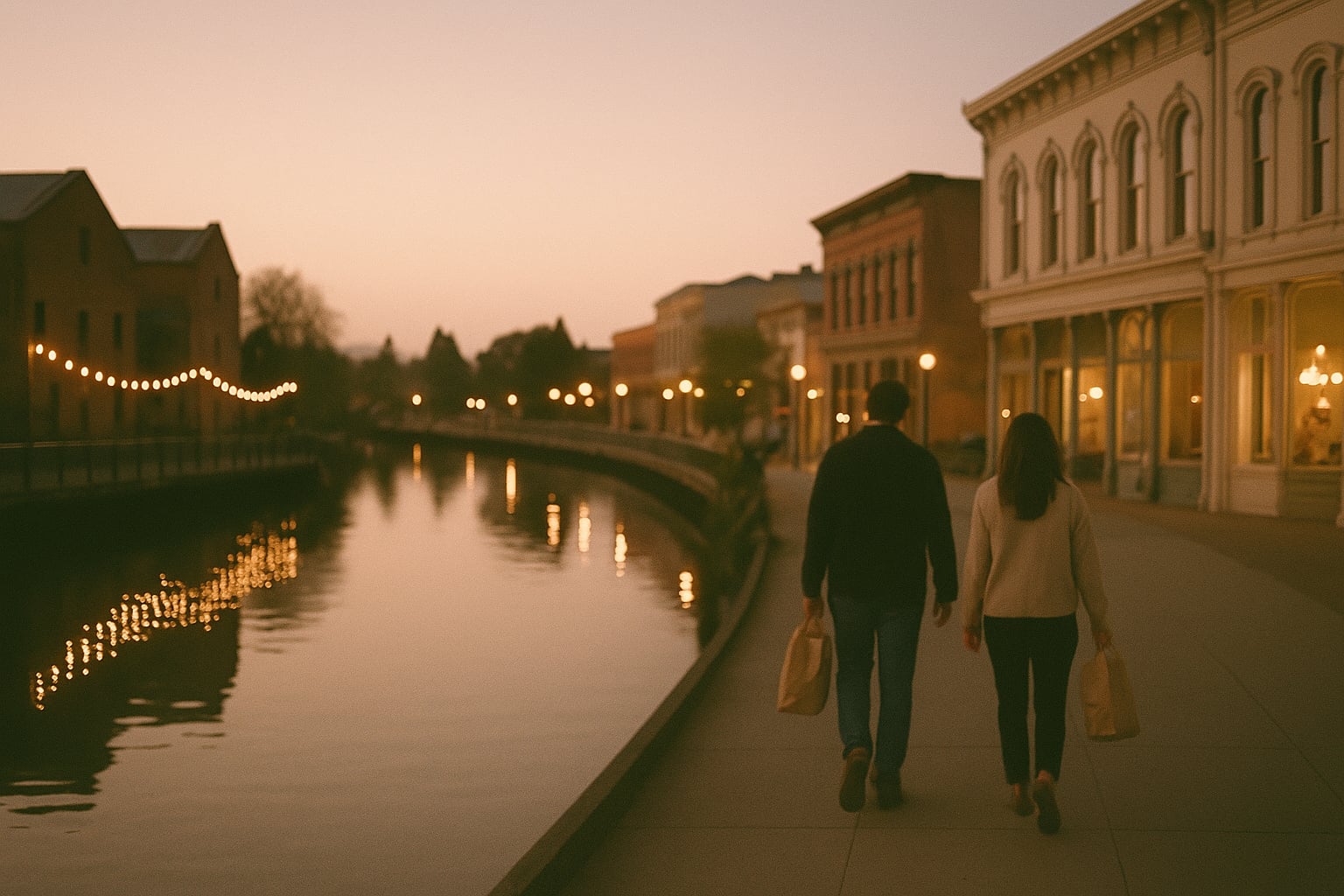
The drive there: one of you is on your phone finishing something. The radio is on something neither of you chose. You're quiet in that comfortable way, not the uncomfortable way.
The table: smaller than you'd like. The candle is a little too tall and you keep leaning sideways to see each other's faces. You order something you wouldn't have ordered if you'd read the menu online first.
Halfway through the main course, one of you says something that leads somewhere unexpected. The conversation goes somewhere real. Not because you planned a meaningful dinner — because you stopped performing one.
You leave a little after nine. You're home by ten. The whole thing cost what it cost and was worth more than that.
The Reservation as a Small Act of Faith
Here's the less comfortable version of this: sometimes you don't make the reservation because you're not sure you want the intimacy right now. The week has been hard. There's distance that hasn't been addressed. It's easier to stay home and be parallel in the same room.
Going anyway is a kind of bet on the two of you. Not a grand gesture. A small one. You're saying: I think we're worth forty minutes in a car and a bottle of something we didn't research.
Sometimes that bet pays off in a big way. Sometimes you have a fine dinner and come home and nothing is dramatically different. But you went. That's its own thing.
How to Actually Do This
Stop waiting for a night that has no competing obligations. That night doesn't exist.
Pick a restaurant you've walked past and thought sometime. Check availability. If there's something in the next three days, book it before you close the app. Tell the other person after.
Don't pick the wine based on a deep dive. Pick it based on one word in the description that sounds like how you want to feel. Order the thing you can't make at home. Leave your phone in your coat pocket for the first thirty minutes.
That's the whole system.
The reservation you almost didn't make is the one that reminds you that you don't need a reason. The relationship is the reason. A Tuesday is enough. The 7:15 is enough. You are, as it turns out, enough of a reason to just go.