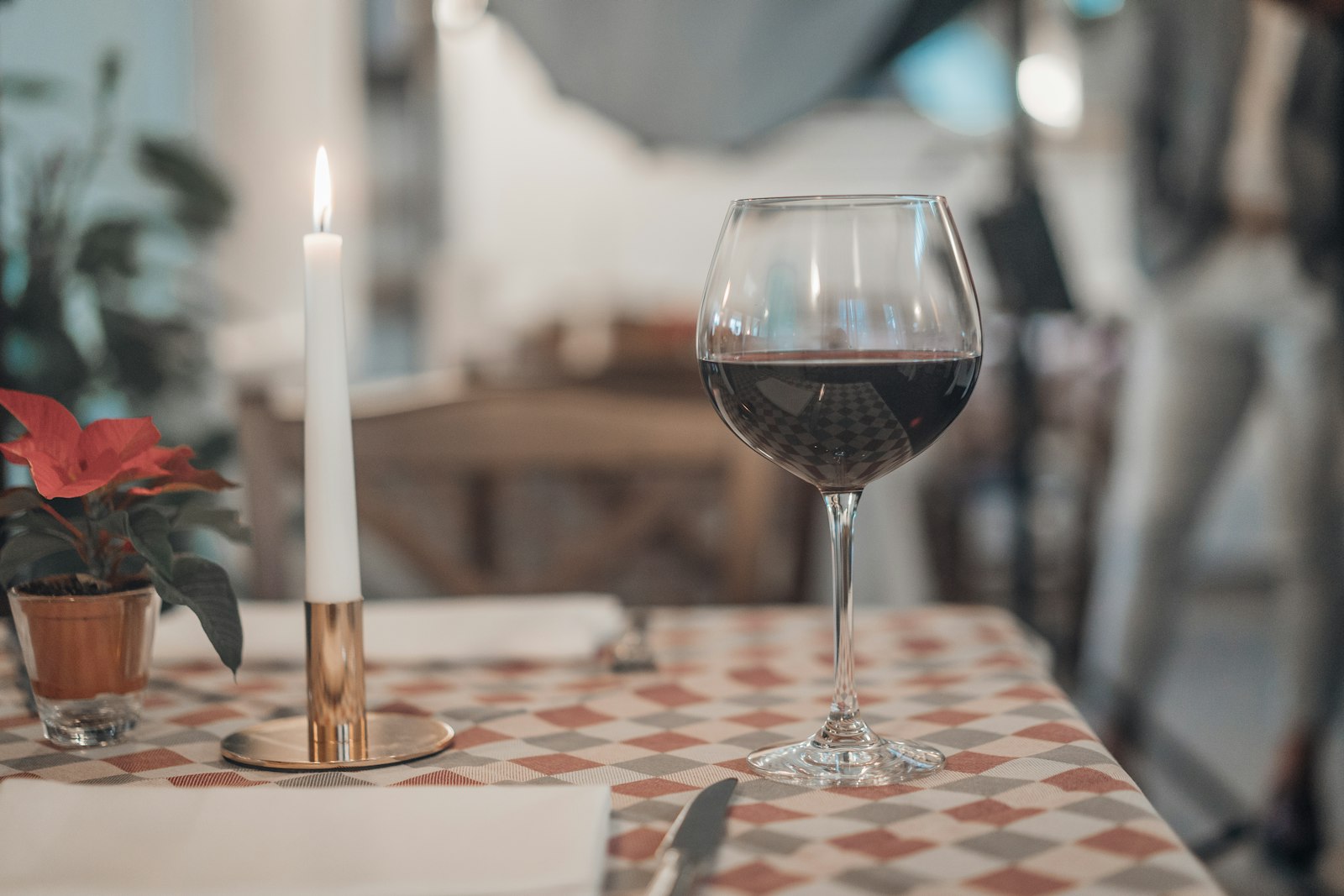
Most people have planned a picnic they never actually took. The idea arrives fully formed: a blanket, something good to eat, somewhere green. Then the logistics get murky, the weather feels uncertain, and suddenly a reservation somewhere with wine on tap seems like the smarter call.
What they were really avoiding wasn't the logistics. It was the exposure.
A restaurant gives you structure. A menu to consult, a server to redirect attention toward, a bill that signals when it's over. A picnic gives you none of that. It's just the two of you on the ground, with nowhere to look except at each other.
Why the Simplicity Is the Point
There's a version of date night that's essentially a production. Reservations made weeks out, a particular outfit, the performance of being someone who has it together. That version can be fun. It's also, quietly, exhausting.
The picnic is the opposite. Its whole logic is subtraction. You take away the ambient noise, the waiter's timing, the overhead lighting that makes everything look slightly more dramatic than it is. What's left is the actual texture of being with someone.
Which is, depending on where things stand, either a relief or mildly terrifying.
The dates that actually land aren't the ones with the best reservation. They're the ones where nothing was buffering you from each other.
The Blanket Is Load-Bearing
Not metaphorically. Literally. One good, thick blanket changes everything about how a picnic feels. The cheap nylon kind that crinkles when you move is not the same as a wool throw that weighs something, that stays put, that you can pull over both of you when the afternoon cools.
The blanket is the room. It's the container. Everything that happens, happens inside it.
Sprawling out on it while eating is different from sitting across a table. Your body language changes. Proximity is different — closer, more casual, occasionally an elbow or a knee touching without it being a moment. That incidental contact does something.
Where You Go Matters — But Not the Way You Think
It doesn't need to be scenic. It needs to be yours. A corner of a public park where you've never actually stopped. The edge of a vineyard on the drive back from Healdsburg. The grass behind the Sonoma plaza when the farmers' market clears out and it gets quiet.
What makes a location work for a picnic isn't beauty. It's that no one is going to walk up and ask if you've decided on the entrées.
You want somewhere slightly apart from other people. Not isolated — isolated gets weird. Just far enough that conversation doesn't feel overheard, that you could say something a little true without worrying about it.
What to Bring (And What to Leave Behind)
The food should be good but not fussy. Things that don't require you to look down at them. A good cheese that you've already cut. Fruit that doesn't drip. Something salty. Bread that tears. Olives. Maybe cold chicken. The goal isn't a spread worth photographing — it's food you can eat with your hands while talking.
Leave the elaborate charcuterie architecture at home. Leave the carefully curated playlist that you'll spend forty minutes adjusting. Leave the need to document it.
One glass of something cold, split, is more intimate than two individual beverages with nowhere to put the bottles.
The Real Reason People Don't Do This
It's not the effort. Packing a bag takes fifteen minutes. It's not the weather. People picnic in light jackets all the time.
It's that a picnic requires you to be interesting for two hours with no external scaffolding. No menu, no background music you didn't choose, no social contract that says you're done when the check comes. It's an open container of time.
Some couples find that thrilling. Others realize, sitting there on the blanket in the first ten minutes, that they've forgotten how to just be somewhere together.
That realization isn't a reason not to go. It's the reason to go.
What Tends to Happen
Someone talks longer than they usually do at dinner. Not because the topic is important, because there's no hurry. Because the sun is warm and nothing has to end at a specific time and the ground beneath you is stable and soft.
Someone falls a little quiet and doesn't try to fill it.
Someone reaches over for the last of the bread and their hand brushes yours and it stays there a second longer than necessary.
None of these things sound significant. They are.
For Newer Relationships
A picnic early on is a high-yield move, precisely because it's stripped down. There's no distraction to retreat into. You find out quickly whether you can just exist with someone. Whether the silence is comfortable or charged. Whether they're easy with their hands, whether they laugh at small things, whether they're actually present or half somewhere else.
You learn more in two hours on a blanket than in four dinners at a nice table.
For Longer Relationships
The picnic is a reset. It's the date that has no agenda attached to it, no logistics to plan around, no implicit expectation of where the evening goes next. It's time that belongs to nobody except the two of you, on the ground, in the afternoon.
After years of dinners and weekends and routines, that kind of empty, structureless time together is genuinely rare. It's also — if you let it be — genuinely good.
One Actual Version of This
A Saturday in late afternoon, when the air is still warm but the light has gone amber. The grass at the far edge of a park nobody thinks to walk to. A wool blanket that smells faintly of cedar from wherever it's been stored. Bread, sharp cheese, a handful of grapes, two paper cups and a bottle of something cold.
No phones on the blanket. That part is non-negotiable — not as a rule, just as a decision you make before you leave the car.
You talk about nothing for twenty minutes and then, somehow, something real. The hour after that goes faster than it should. The drive home is quiet in the way that feels full, not empty.
That's the whole date. That's what it costs. That's what it gives back.
The nerve isn't in the packing. It's in deciding that an afternoon with almost nothing in it — no performance, no buffer, no exit strategy — is enough. More than enough.



