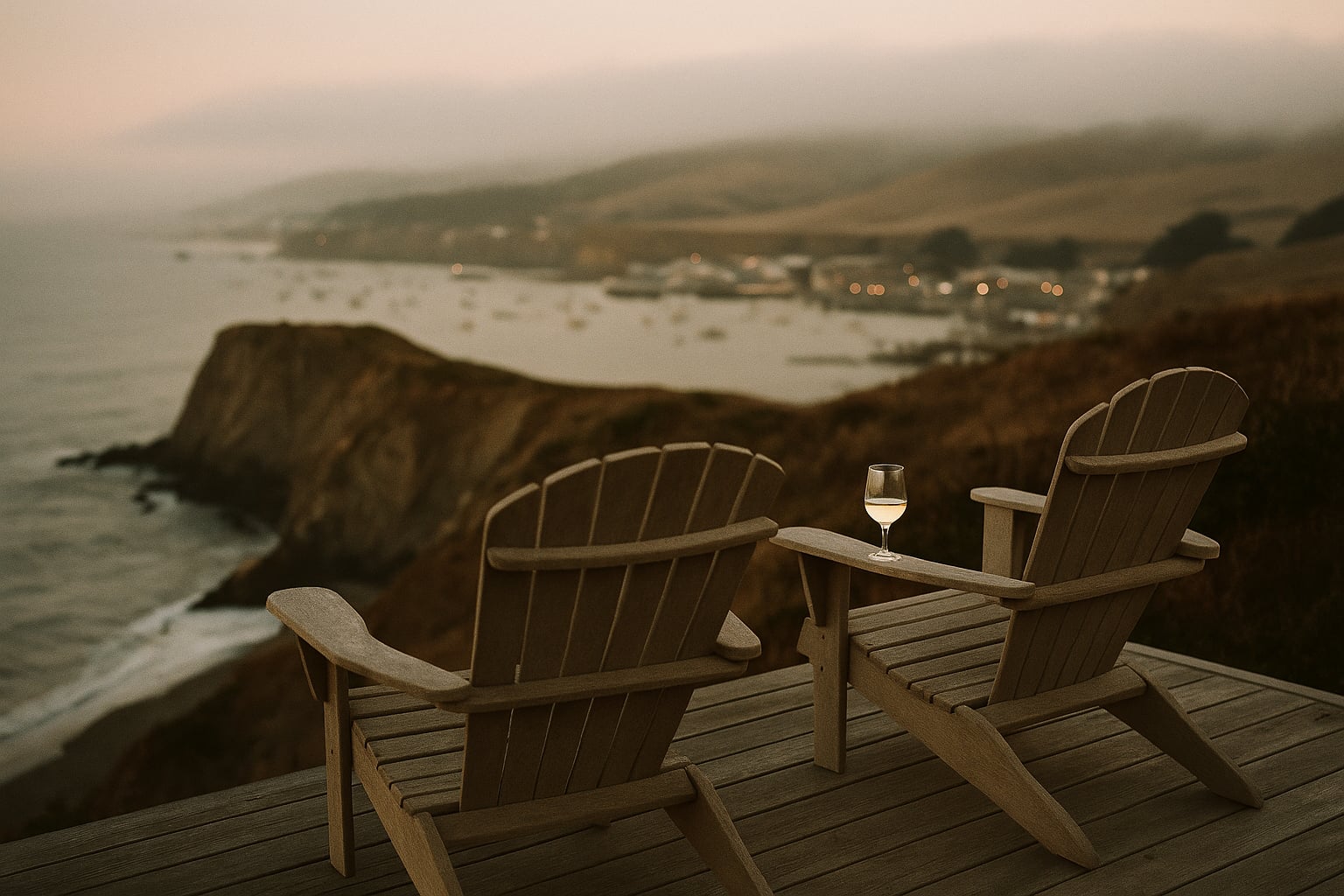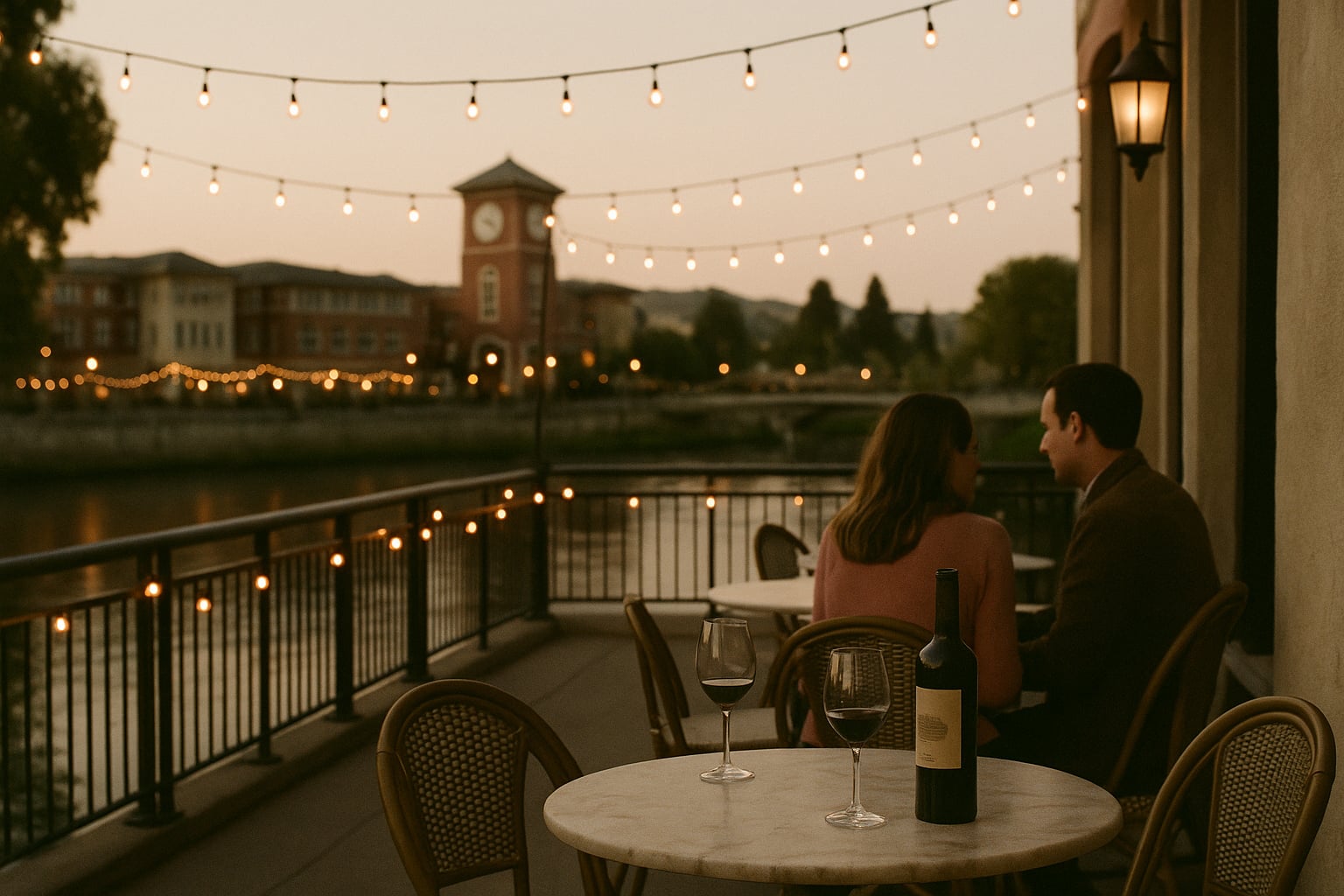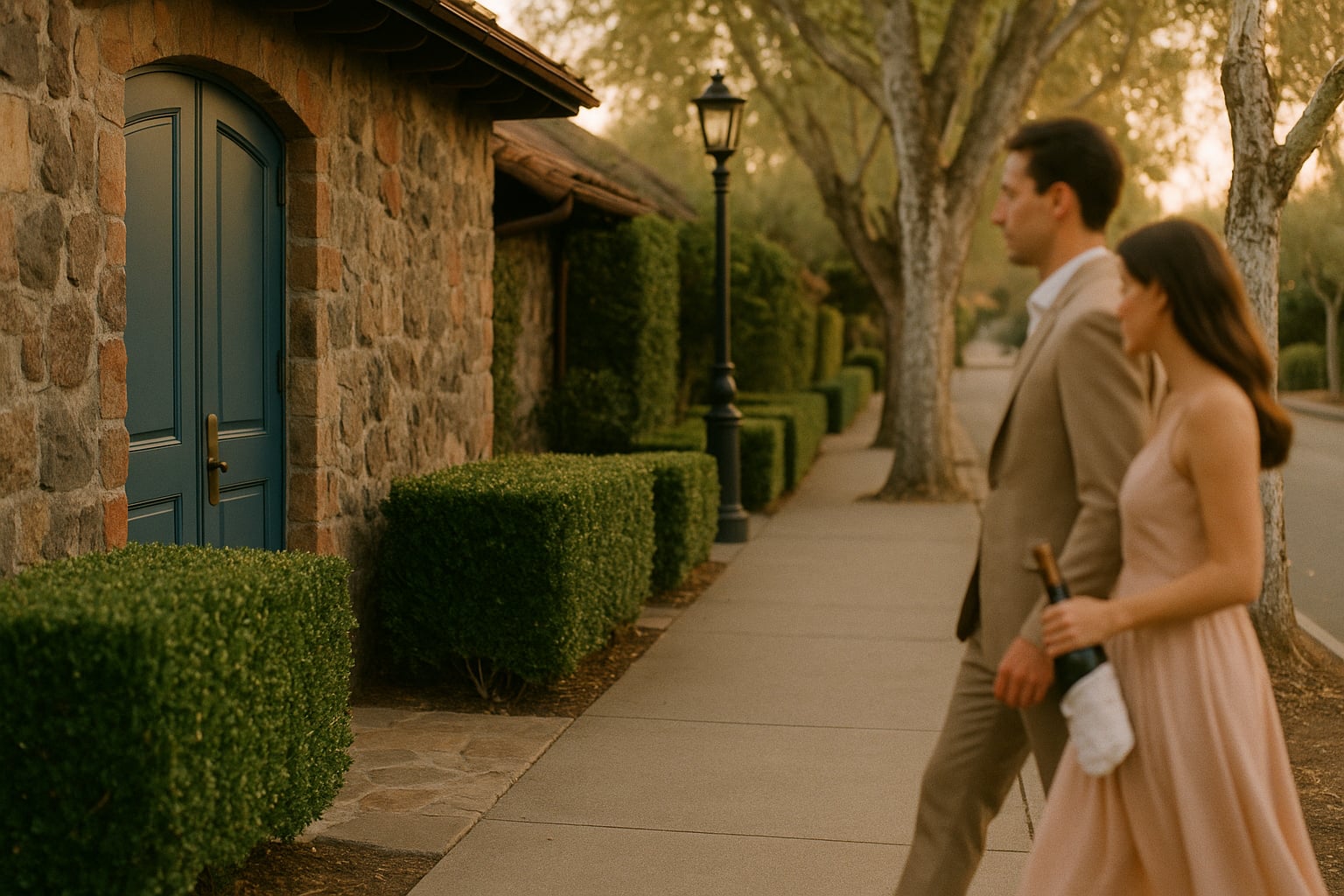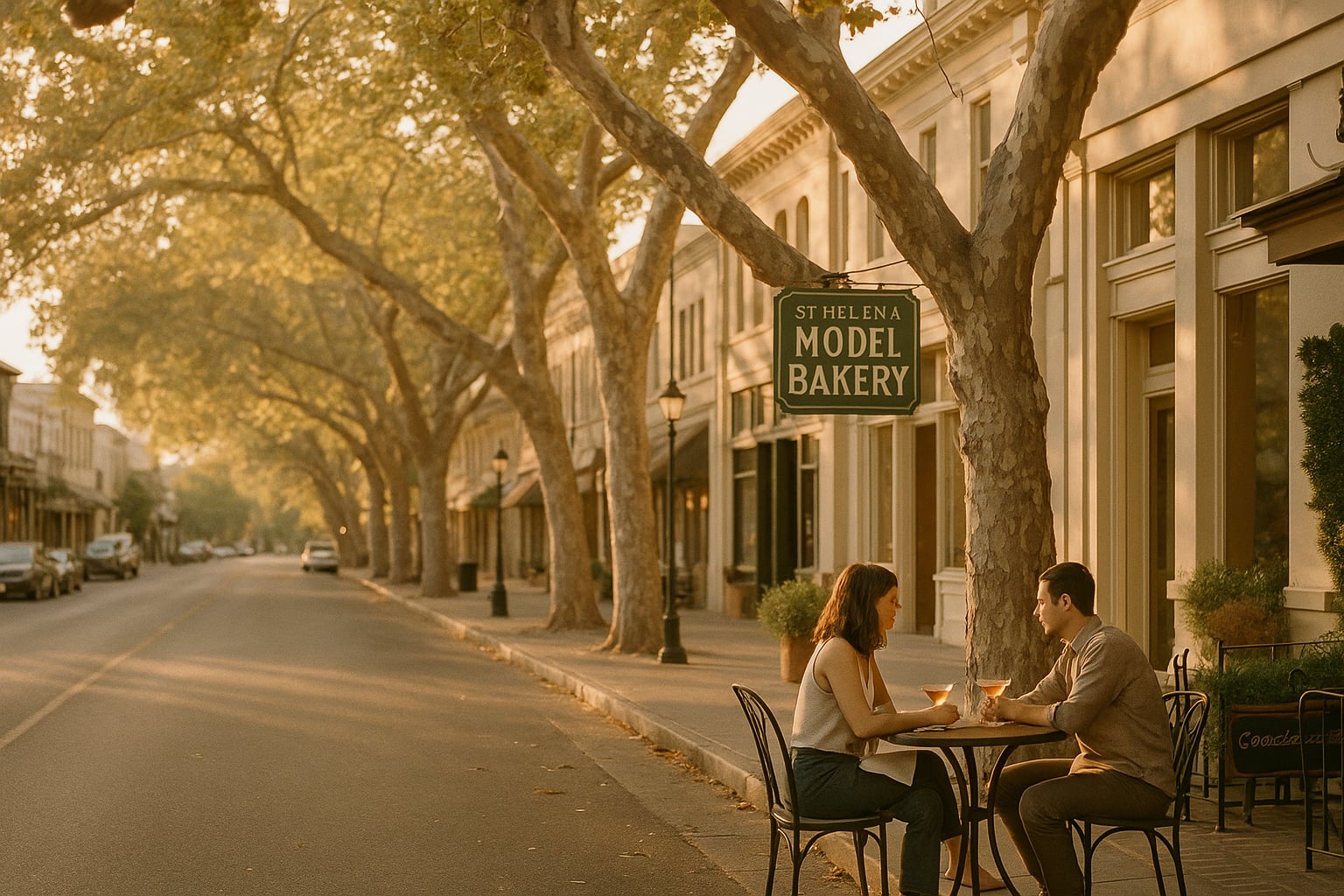
There's a version of the romantic picnic that exists only in Italian film posters. Dappled light, someone laughing with their head thrown back, a wheel of cheese appearing from nowhere. Nobody sweated. Nobody drove forty minutes in the wrong direction. The wine was already cold.
That picnic is a lie. And chasing it is why most real picnics feel vaguely disappointing — ants, warm rosé, a blanket that isn't quite big enough, and the nagging sense that you're performing leisure instead of having it.
The picnic worth having looks completely different. It takes actual work. Not ironic effort — real effort. And that work is, in itself, the beginning of something.
Why Effortless Romance Is a Setup
We've been sold on spontaneity as the gold standard for romance. The idea that planning kills magic. That if you have to think about it, it doesn't count.
This is convenient for people who don't want to try. It's bad for everyone else.
Deliberate attention is not the enemy of desire. It is desire — expressed outward, made visible. When someone builds something beautiful for you, you feel it before you eat a single thing. The care lands before the cheese board does.
Anticipation is a form of foreplay that most couples completely skip.
— MLL
The planning phase matters. The week before, sending a link. The night before, wrapping something carefully in parchment. The morning of, leaving early enough to actually find the spot. All of that is the romance. The picnic is just when it lands.
The Sensory Architecture of a Good Outdoor Meal
A deliberately built picnic works on your nervous system before you're aware of it. You're outside, which already drops cortisol. You're away from the house and its pile of unfinished things. Your phone signal is probably irritating enough that you stop checking it.
Then the physical layer: grass under the blanket, which is slightly uneven, which makes you shift and settle. Sun on skin. The specific heat of late afternoon in Sonoma or Napa, when the air smells faintly like warm stone and someone's harvest starting. Cold glass against a warm hand.
This is the body waking up. Not dramatically. Just... coming online.
Think about what you're actually assembling: texture (good bread, something creamy, something with a snap), temperature contrast (something cold, something room-warm), visual composition that someone had to think about. Weight in a basket. The ritual of unwrapping things.
Where You Go Is Not Decorative
Location isn't backdrop. It's a third presence in the conversation.
The meadow behind Healdsburg where the oaks get thick and the light goes golden around four o'clock. The hillside above Yountville where you can see three counties if the marine layer cooperates. A blanket on the flat lawn at Indian Springs, post-pool, when everyone is slow and slightly sun-warm and has nowhere to be.
These aren't interchangeable. Each one asks something different of you. The meadow asks you to slow down. The hillside asks you to look outward. The spa lawn asks you to be horizontal and say nothing useful for a while.
Picking the right one is part of reading your person. What do they need right now? What kind of afternoon are you building? That read — that choice — is intimacy.
What to Actually Bring (And What to Leave Home)
The mistake is packing for a dinner party. Twelve items, three that require refrigeration, a cutting board that doesn't fit in the bag, a corkscrew you can't find at the moment you need it.
The goal is abundance that's already been handled. Everything arrives ready. Nothing requires assembly under pressure.
Bring:
A blanket that's actually large enough. A bottle that's already cold, wrapped in a cloth napkin. Two glasses that aren't plastic. Something brined — olives, cornichons, anything that cuts through fat. Good charcuterie from a local shop, not a grocery-store board. Stone fruit if it's July. Dark chocolate if it's anyone with taste. One thing you made yourself, even if it's just marinated something overnight.
Leave home:
The apology for having planned it. The urge to document it before you've eaten anything. The mental tab for whatever you didn't finish at work.
The Part Nobody Talks About
There's a specific moment in a good outdoor meal when the conversation stops being practical. When you're not talking about the parking or the drive or whether the cheese is too warm.
You're just there. Horizontal or close to it. Slightly warm. Something cold in your hand. The person next to you is a shoulder or a knee away.
This is what all the effort was building toward. Not a perfect Instagram moment. Not even the wine. Just the two of you, out from under the ceiling, in a place someone chose specifically, with things someone gathered specifically, for no reason except to be here together.
That's the foreplay. It's just distributed across an afternoon instead of compressed into ten minutes.
Common Questions About Planning a Romantic Picnic
Is it weird to plan a picnic really carefully for a partner?
No. The myth that planning kills spontaneity is exactly that — a myth. Most people feel genuinely moved when someone goes to specific trouble for them. The key is that the effort shows without being performed. You're not narrating how hard you worked. You're just showing up with cold wine and the right blanket.
Where are good spots for a wine country picnic near Healdsburg or Yountville?
The lawn at Copain Wines off Westside Road has the kind of view that makes conversation optional. The ridge above Dry Creek Valley, if you know where you're going, gives you silence and elevation together. Closer to Yountville, the parkland along the river trail south of town is underused and quiet. Many smaller Sonoma tasting rooms — the ones without a tour bus in the lot — will let you spread a blanket in their vineyard rows if you ask directly and buy a bottle first.
What wine travels well in a picnic basket?
Rosé, chilled. A light Pinot Gris or dry Riesling. Nothing that wants to breathe for forty minutes before you drink it — that's a dinner-table wine. Sparkling works beautifully if you can keep it cold; a Crémant or a domestic brut won't punish you for drinking it slightly warmer than ideal. Avoid anything tannic and heavy unless you're eating red meat outside in October.
How do you keep a picnic from feeling like a logistics project?
Do the logistics alone, before the day. Pack the night before. Pre-slice, pre-wrap, pre-chill. By the time your partner is involved, it should feel seamless — because you handled the seams yourself. That's the trade: you absorb the friction so they don't feel it. The result reads as effortless even though it wasn't.
The picnic that actually works isn't the one that happened by accident. It's the one someone decided to build. That decision — quiet, specific, pointed at one person — is already the answer to a question they didn't know you were asking.