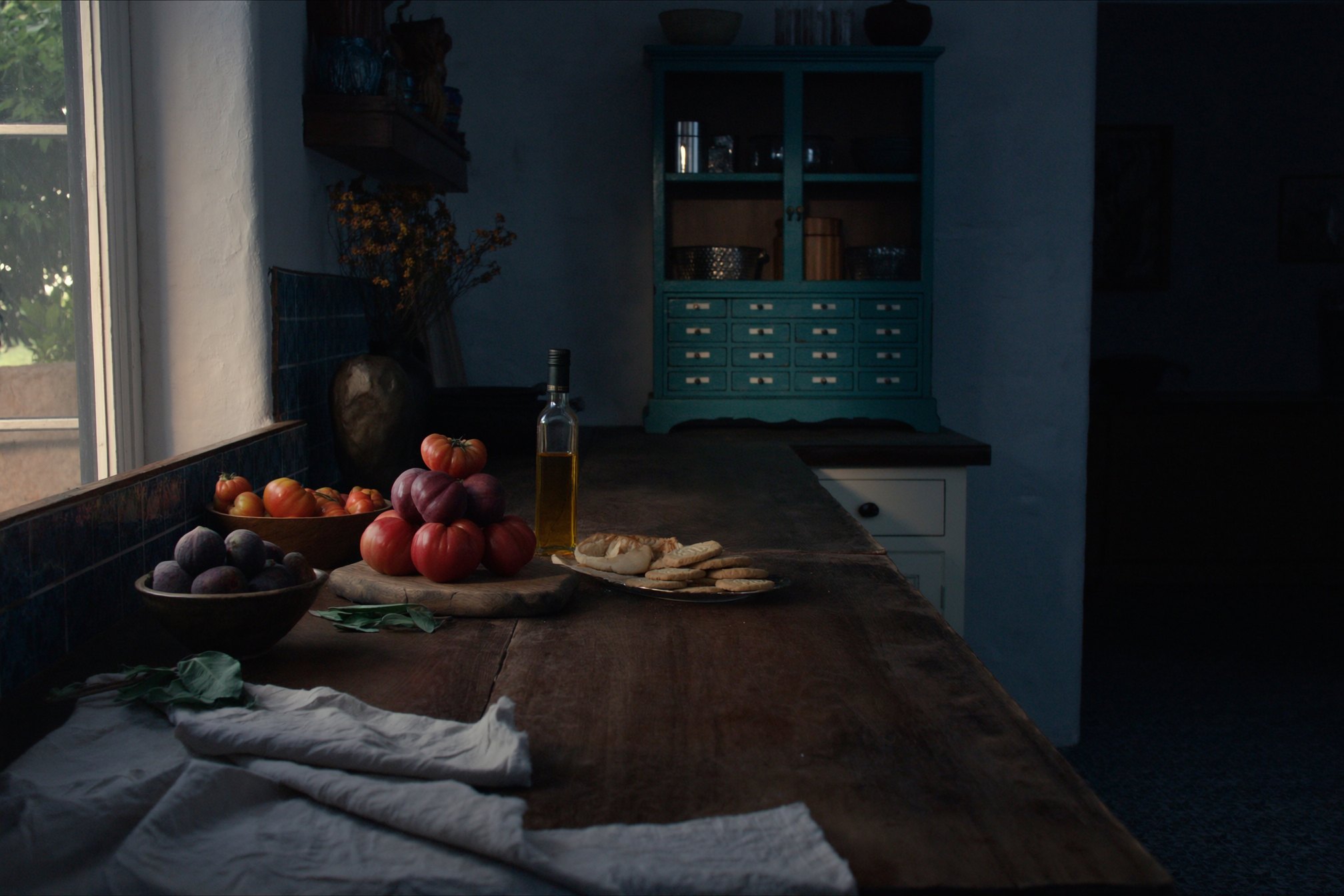
Most picnics are improvised. A trader joe's bag, a blanket from the trunk, whatever wine was already open. That's not a picnic. That's lunch with fewer chairs.
The version worth having requires about forty extra minutes of thought and zero extra money you weren't already going to spend. The difference is intention. And intention, in this context, is entirely physical. What you pack, where you sit, when you arrive, how the light hits the glass.
This is a guide to that version.
Why Timing Is the First Decision, Not the Last
Most people pick a day and then figure out timing. Flip that. The whole evening pivots on golden hour — that specific forty-minute window when the light in Healdsburg or Yountville turns amber and everything looks like something you'd want to stay inside of.
In summer, golden hour runs roughly 7:15 to 8:00 PM. That means you're setting up around 6:45. Not arriving at the spot at 7:30 with a warm bottle and nowhere to sit.
Arrive early enough to be settled before the light changes. This is the entire move.
The Location Question
Wine country has a specific advantage: its geography is designed for this. But the obvious spots — the Healdsburg Plaza, the lawn at Solage — fill up. They're still good. You just need to get there first.
Lesser-known and consistently better: the gravel pullouts along Westside Road with an unobstructed view of the Russian River valley. The grass slope behind the Indian Springs grounds in Calistoga, if you're guests. The Oxbow district side of the Napa River at dusk, which gets half the foot traffic it deserves.
What you're looking for: elevation or openness, shade for the setup, a clean sight line for the sunset. Trees nearby but not directly overhead — nobody wants pine needles in the burrata.
The Actual Bag — What Goes In, What Doesn't
The bag is where most picnics collapse. People over-pack or under-pack, and both ruin it in different ways. Over-packing means twenty minutes of unpacking and repacking and nobody's relaxed. Under-packing means warm wine and plastic forks, which is a camping trip, not an evening.
What actually belongs:
A real blanket. Not a picnic blanket. A blanket you'd use on your couch. The weight matters. Thin nylon feels disposable. A heavy linen or woven wool throw signals that you're staying.
Two glasses, not plastic. Stemless is fine. The sensation of glass against your lip changes the whole experience of the wine. This is not pretentious. It's sensory and it's true.
A small cutting board. One that fits inside the bag. This is your table. Slate or wood — both look good when you photograph them, which you will, once, and then put the phone away.
The cheese you actually love. Not the safe one. The one you eat standing at the counter at home. Aged manchego, a ripe triple crème, a good aged cheddar with honey. Two is enough. Three is a party. Four means someone is performing.
Something with salt and crunch. Marcona almonds or a quality cracker. This is the palate reset between sips. Don't skip it.
Fruit that holds up in heat. Grapes, figs, fresh cherries. Not strawberries, which turn to mush and leak on everything.
One protein. Charcuterie or a good prosciutto, thinly sliced. Or skip it entirely if you're eating dinner after. This is not a meal. It's a setting.
A wine key and a small cloth napkin. Not paper towels. Cloth. The texture distinction matters more than it should.
The Wine — One Bottle, Chosen Well
One bottle. Not two. Two bottles signals that you're here to get drunk, which is a different evening entirely.
For summer evenings in wine country: a chilled rosé from Dry Creek Valley, or a Sonoma Coast Pinot that's been in the cooler bag long enough to drop a few degrees. If you stop at a tasting room on the way — which you should, it's the preamble — buy the bottle there. You'll remember the wine better because you remember where it came from.
Keep it in an insulated sleeve, not a full cooler. The cooler turns this into a production. The sleeve is elegant.
The wine doesn't have to be expensive. It has to be right for 7 PM on warm grass with someone you want to watch the light with.
— MLL
The Detail That Changes Everything
Here's the thing nobody says: it's not the food. It's not the wine. It's whether you're actually present when you sit down.
Phones in the bag — not face-down on the blanket. Face-down is a half-commitment. In the bag is a decision.
Sit close enough that your shoulders touch. Not across from each other like a board meeting. Beside each other, facing the same direction. There's a reason side-by-side feels different from face-to-face. You're looking at the same thing. You're not performing for each other.
Pour the wine before you've spread anything out. Sit for a minute with just the glasses. Let the evening announce itself.
What This Is Actually For
The picnic is a container for unhurried time. That's rarer than it sounds. Most evenings have a next thing. This one doesn't.
There's something that happens after about twenty minutes on a warm blanket with good wine and no particular plan — something in the body settles. Shoulders drop. The conversation slows down and gets more honest. The kind of thing you talk about at 11 PM but not at 6 becomes available.
That's what you're building toward. Not an Instagram moment. Not a romantic gesture with deliverables. Just the slow, physical fact of being somewhere beautiful with someone specific, paying attention to both.
The good cheese is part of it. So is the light, the glass in your hand, the weight of the blanket beneath you, the sound of whatever the valley sounds like when it cools down.
None of it is complicated. All of it is chosen. That's the difference.
Quick Reference: The Picnic That Lands
Where: Open ground with a view. Healdsburg Plaza, Westside Road pullouts, Oxbow riverfront, or the grounds of wherever you're staying.
When: Arrive 6:45 PM in summer. Set up before the light peaks.
What: One blanket (real weight), two glass stems, one cutting board, two cheeses, one crunch element, one fruit, one protein or none, one bottle of wine chilled in a sleeve.
How: Sit beside each other. Phones in the bag. Pour first, unpack second. Stay until it's dark enough that you need to pack by feel.



