You weren't trying to connect. You needed grout sealer and maybe some basil. The reservation, the babysitter, the dress — none of that was involved. You just ended up in the car together on a Saturday at 10 a.m., and somewhere between the parking lot and the checkout line, something opened up.
That's the one you'll remember. Not always the dinner.
The date night pressure nobody talks about
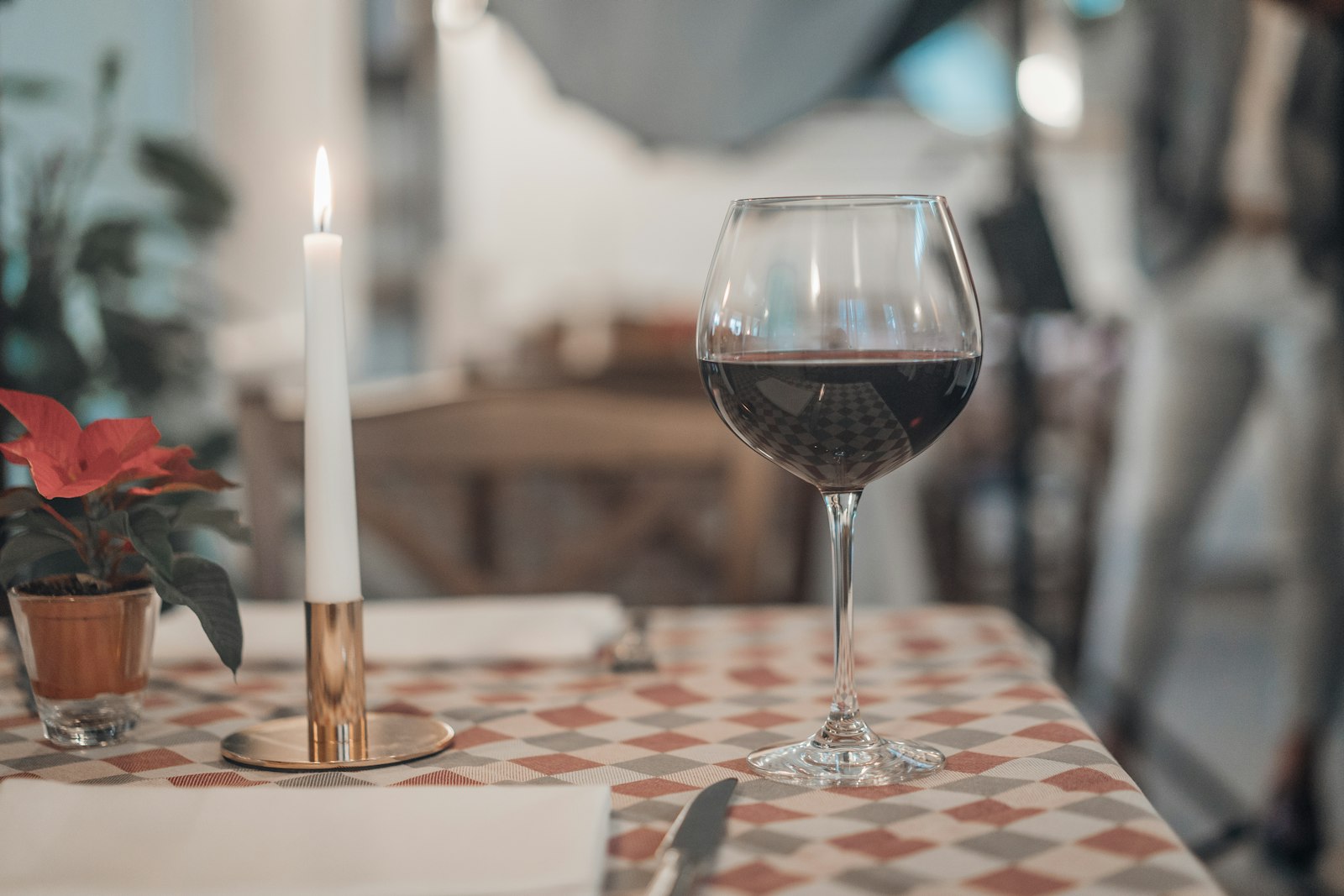
A curated evening carries weight before it starts. There's an implicit ask: be present, be romantic, be worth the effort of getting here. Two people sit down across from each other in good lighting with a shared awareness that this is supposed to be the good part of their week.
That awareness is a lot to eat dinner under.
The errand has none of it. Nobody expects the farmers market to be the turning point. Nobody pre-loads the hardware store with meaning. Which is exactly why meaning has room to show up.
What actually happens in the unplanned hour
You're moving. That's the first thing. Side by side through aisles, not face to face over a table. It's harder to perform when you're both looking at the same bag of compost trying to figure out if you need 20 quarts or 40.
You make small decisions together. Where to park. Whether to get coffee first. If that planter is too expensive or exactly right. None of it matters. And in not mattering, it works like a warm-up no one called a warm-up.
Then someone says something real. It happens fast and sideways — not the way it would at a table where a hard conversation has been scheduled, consciously or not. It just surfaces. Because the ambient noise of a normal task keeps the pressure off.
The farmers market version
You go to pick up tomatoes. You end up standing at a honey booth for twelve minutes listening to a man explain the difference between wildflower and sage. Your partner is genuinely interested. You watch them be genuinely interested. That's a thing you see.
Later you share a breakfast sandwich standing up, not because it was romantic but because you were hungry and there was nowhere to sit. The jam gets on someone's thumb. Someone else notices.
This is the texture of a real life together. Sonoma on a Saturday morning, the Healdsburg plaza farmers market in July, Indian Springs before the heat rolls in — those hours aren't backdrops. They're the actual thing.
Why the hardware store specifically
There's something about a hardware store. The lighting is bad. Nobody looks good. You're both holding a thing you don't fully understand, reading the back of a can of wood stain like it's going to explain itself.
You argue about which drill bit, mildly. One of you is wrong. It doesn't matter. You find out who handles mild wrongness gracefully and who needs to be right about the drill bit. This is useful information.
You overhear another couple doing the same thing two aisles over and you share a glance. That glance is a whole conversation.
The look you exchange in aisle seven — that's a private language. It took years to build and it runs on errands.
— MLL
What the curated night can't manufacture
Date nights matter. Don't misread this. The slow dinner, the hotel weekend, the tasting room — those are real and worth protecting. But they work differently. They're ceremony. Ceremony isn't where you find out who someone is. It's where you celebrate who you already know them to be.
The errand is where you keep finding out. You see how they treat the person behind the counter. You see what they impulse-buy and what they talk themselves out of. You see what makes them stop and look twice.
You see them in a context that has nothing to do with being appealing to you, and you find them appealing anyway. That's the version of attraction that keeps.
The detour is the point
The best version of this usually involves a pivot. You went for one thing and ended up somewhere else. The nursery closes early so you wander into the used bookstore next door. The parking lot for the grocery is full and you walk further than planned, past a restaurant you've never noticed, and you both stop and look at the menu in the window.
The flexibility itself is the intimacy. Someone saying should we just — and the other person already moving.
That ease took time to build. The errand is where you get to spend it.
How to not ruin it
Leave the phones mostly alone. Not performatively, not as a rule you announce. Just: the list is on the phone, fine, but the conversation is not competing with the screen.
Don't make the errand a project. If it becomes about efficiency — divide, conquer, meet back in twenty — you've turned it into logistics and lost the thing.
Let it go long. The second half of any errand is when it gets interesting. That's when you've finished the task and there's no reason to still be wandering except that you're enjoying it.
The part you'll mention later
A year from now you won't remember exactly what you ordered at the nice dinner. You'll remember that they carried the heavy bag without being asked. You'll remember the argument about the drill bit that ended in laughing. You'll remember the honey guy and the jam on the thumb.
The unplanned hour keeps. It doesn't need to be remembered correctly because it wasn't trying to be anything. It was just you, together, somewhere ordinary.
Which is the least ordinary thing there is.



