At some point every couple has done it. One of you says let's just drive — no plan, no Yelp tab open, no argument about parking — and an hour later you're somewhere unexpected, talking in a way you haven't in weeks.
That hour was better than the last three dinners. You both know it. You never talk about why.
The Problem With Dinner
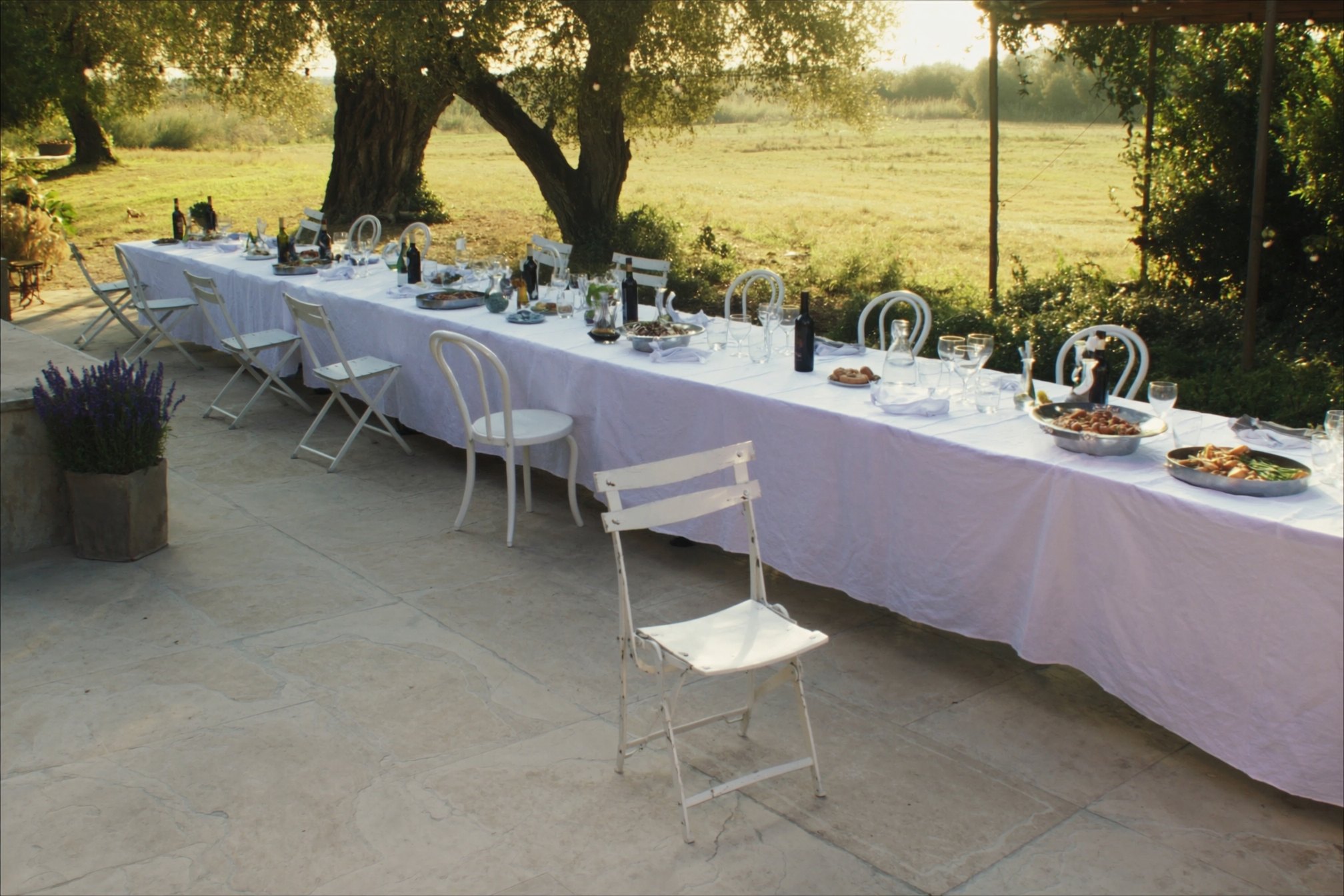
Dinner is a performance. You pick a place, which means you're already making statements about taste, effort, budget. You get dressed to a certain standard. You sit across from each other — which is, if you think about it, the most confrontational seating arrangement in existence — under lighting that's either too bright or too dark.
There's a beginning, middle, and end. A check that closes things out. And an unspoken pressure to have been worth it.
The drive has none of that. You're side by side. Looking forward. There's no check.
What Actually Happens in the Car
Movement loosens something. Therapists have known this for years — walking interviews, sessions with clients in motion — but couples figured it out by accident long before any study confirmed it.
When you're not looking at each other, the stakes drop. You say the thing you've been circling for a week. Not because the car is a safe space. Just because you're watching the road and the moment slips out before you can edit it.
We were somewhere past Geyserville when he told me the thing he'd been not-telling me for six months. We weren't even talking about it. He just said it.
— MLL reader, via DMs
That's not unusual. That's what the drive does.
Why Wine Country Perfected This Format
Sonoma County was built for the aimless drive. You leave Healdsburg plaza heading nowhere in particular, and within ten minutes you're on a road that smells like dry grass and crushed fruit. Vineyards on both sides. The light doing that thing it does at 5 PM in late summer.
You don't need a tasting reservation. You don't need to arrive anywhere. The drive is the thing.
Take Westside Road out of Healdsburg — it winds down toward the Russian River, redwood shade cutting the heat. Or head south on Arnold Drive through Glen Ellen when the fog is burning off. Or cut across from Yountville toward the Carneros line just before dusk, when the light goes gold-pink and the valley floor looks like something from a movie no one actually made.
The Micro-Behaviors That Make It Work
Someone controls the music and then doesn't. That's the first small surrender. No one's optimizing the playlist for the other person's approval — the shuffle lands on something old, you both react, and suddenly you're talking about that year.
One of you points at something out the window. A building. A weird sign. A horse standing too close to the fence. The other looks. For a second you're sharing the same frame of reference — the same small, useless thing — and that's intimacy. Genuinely.
You pull over for gas station snacks or a taco stand you'd never put in a group chat. You eat in the car with the engine off. That's a meal. It counts.
What You're Actually Avoiding
The drive dodges the thing that quietly kills most date nights: the expectation of a return on investment.
When there's a reservation and a dress code and a babysitter who's getting paid by the hour, the night needs to deliver. Connection, romance, maybe something good when you get home. That's a lot to ask of a Tuesday.
The drive has no invoice attached. If it goes nowhere conversationally, you still got to watch the light change over the valley. If it does go somewhere, no one had to perform to get there.
The Version With More Heat
Late drive, windows down, the specific warmth of evening air after a hot day — there's a version of this that's less about talking and more about remembering you're attracted to each other.
Your hand on their knee. The way they look driving, relaxed in a way they're not at a table. The smell of sunscreen fading. A song that does something to both of you. None of it requires language.
You don't need to arrive at Indian Springs or pull into a hotel lot for the drive to have done its work. Sometimes you just go home differently than you left.
How to Actually Do This
Do you need a plan?
No. That's the whole point. One person drives first. The other navigates by instinct or doesn't navigate at all. Swap if you want. The only loose rule: no destination anxiety. If someone needs to know where they're going, the format doesn't work.
What about phones?
Passenger phone is fine for music. Both of you scrolling independently is just being alone in a car together, which is a different thing entirely.
What if there's nothing to say?
Good. Sit in it. The silence on a drive is different from the silence at a dinner table. One feels like failure. The other feels like weather — just something passing through.
Best time?
Golden hour if you can get it. Late enough after work that you've both decompressed. Or after a tense moment, when neither of you wants to stay in the house but you're not ready to resolve anything. The car is useful then too.
The couples who are good at being together long-term tend to be good at doing nothing together. The drive is the cleanest version of that. No agenda, no performance, no ROI.
Just the road, the light going somewhere interesting, and the two of you side by side — which is, it turns out, a much better seating arrangement than across from each other in a restaurant you made a reservation for.



