You didn't stop trying all at once. That's the part nobody talks about. It happened in increments so small they felt reasonable every time. The heels stayed in the closet because parking was bad. The candle went unlit because you were tired. The reservation became takeout on the couch, which was actually nice, so you did it again, and again, until the restaurant was something you used to do.
Now it's been two years since either of you got dressed for the other.
What "getting dressed" was actually about
It was never really about the outfit. It was about the decision to be perceived. The moment before you walk out of the bathroom where you're aware of your own body, aware of their eyes, aware that tonight has a different texture than Tuesday night. That awareness is the thing. The dress was just the container for it.
When you stop dressing for each other, you don't just lose the ritual. You lose the signal. And signals are how people in long relationships tell each other: I still see you. I still want to be seen by you.
The specific things that went first
Think back. Not to some cinematic early-relationship montage. Just to the practical details. What did you used to do before a night out that you don't anymore?
For a lot of people, it's fragrance. The specific bottle you'd reach for on date nights, the one that now lives at the back of the shelf behind the stuff you use every day. For others it's the good lingerie. Not saved for some special occasion that never quite arrives — just worn, under a dress, for no reason except that tonight felt worth it.
Some people stopped making a reservation at all. Not because they didn't want to go out, but because making the reservation meant committing, and committing meant the night had weight, and weight felt like pressure. So they kept it loose. Kept it casual. Kept it nothing.
Why effort started to feel embarrassing
Here's the thing about long relationships: visible effort can start to feel vulnerable in a way it didn't before. Early on, trying hard is just attraction. It reads as want. But after a few years, putting on the dress or lighting the candles or making the reservation at the place with the good Pinot feels like an admission. Like you need something. Like you're asking.
And asking feels risky when you're not sure you'll be met.
The fear underneath low effort isn't laziness. It's the quiet terror that you'll try and it won't register.
— MLL
So both people scale back, separately, and neither one names it. The couch becomes the default. The sweats become the uniform. And somewhere underneath all that comfort, a small but real signal keeps going unbroadcast: I still want this. I just stopped showing it.
What the reframe looks like
This isn't about performing romance for an audience. It's not about Instagram or some curated vision of what a couple is supposed to look like. It's about private rituals that exist only between two people, in the specific rooms and routines where your life together actually happens.
Getting dressed is one. But the list goes further than clothes.
The recoverable rituals: a real list
The reservation you stopped making
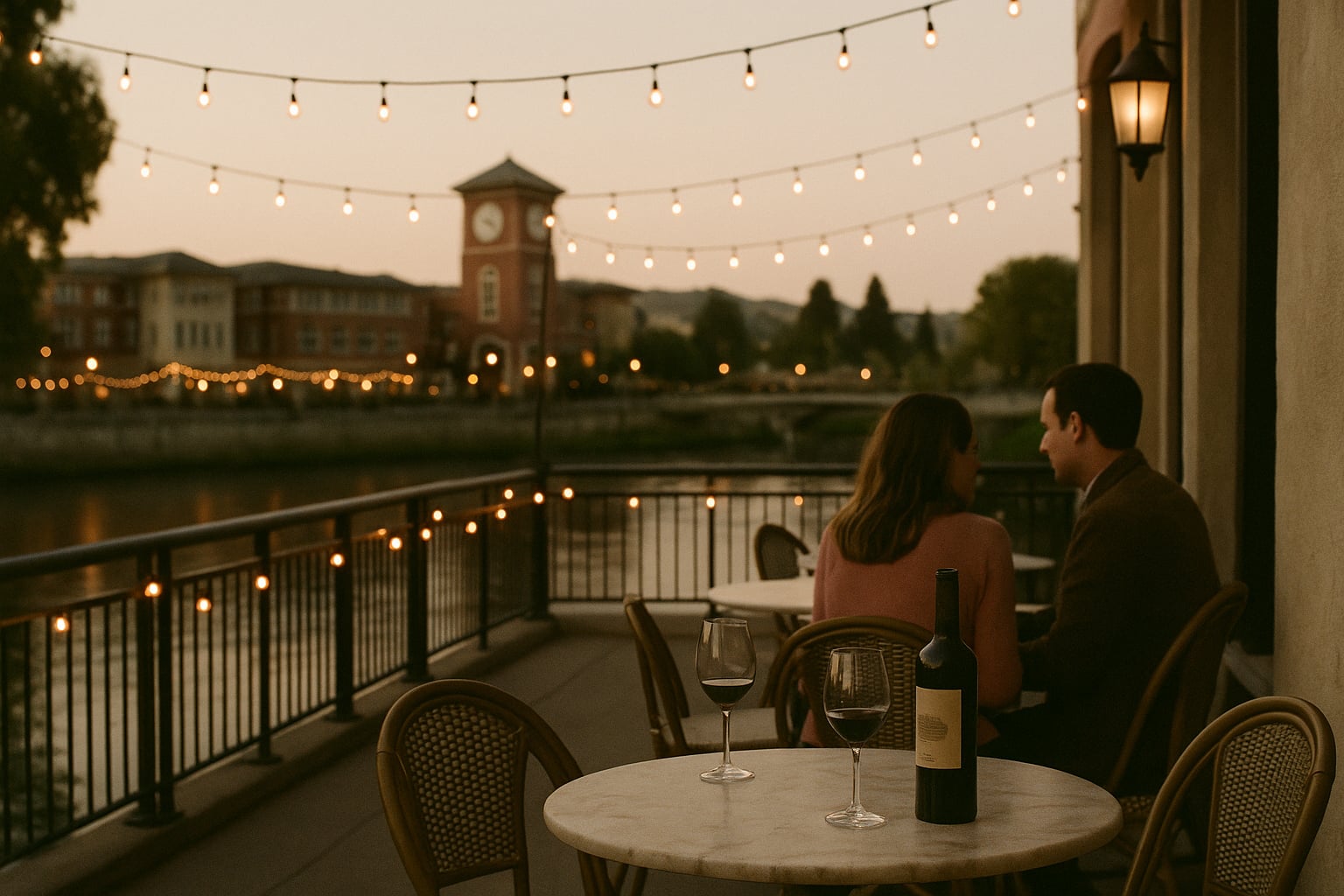
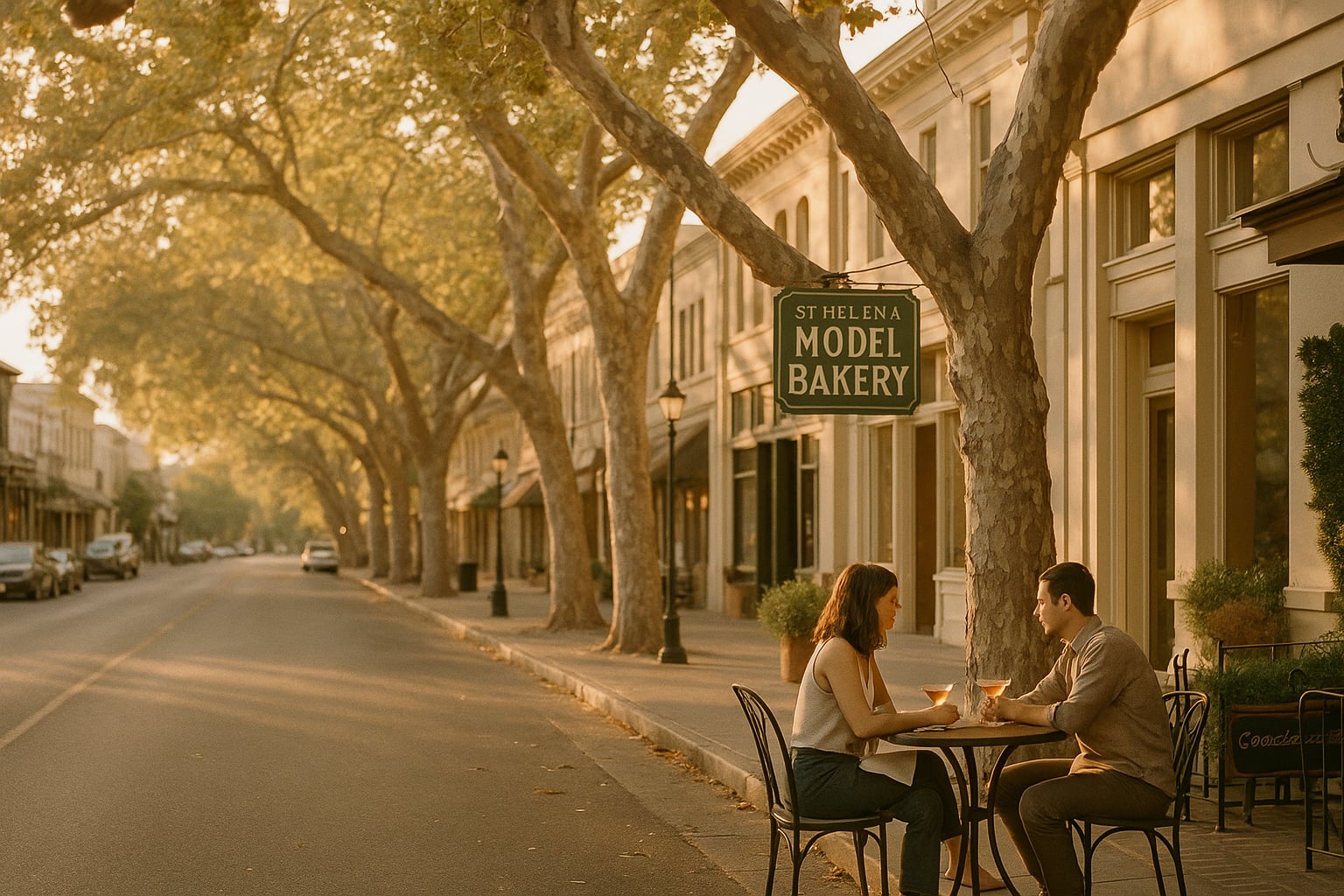
There's a specific quality to dinner when someone planned it. Even if it's somewhere you've been before. The act of choosing, booking, telling the other person to be ready at seven — that's the ritual. It says: this night was worth the effort before it even started. Healdsburg has tables worth booking two weeks out. So does that little Sonoma spot you drove past once and never went in. Make the reservation. It's not about the food.
The outfit decision you outsourced to comfort
Not every night. Not even most nights. But some nights, the decision to put on the silk, the structured jacket, the thing that makes you stand differently in your own body — that decision lands in the room before you even say anything. Your partner feels the shift. You feel it. The night has a different permission level.
The fragrance you forgot to reach for
Scent is the most underused intimacy tool in long relationships. It creates memory and association in a way that's almost embarrassingly powerful. When someone smells the way they smelled on a night that mattered, your nervous system responds before your brain catches up. Put the bottle back on the shelf where you'll see it.
The pre-dinner drink you stopped doing at home
Fifteen minutes. No phones. Something cold or something that took effort to open. The sole purpose of this ritual is to transition: you're not at work, not mid-logistics, not handling anything. You're just there together, in the kitchen or on the back steps, before the night starts. It sounds small. It functionally changes the night.
The look you stopped giving across the room
At a dinner party. At the coffee shop. In their direction at some ordinary moment when they don't know you're watching and you think, yeah, still. That look. Send it. Catch their eye. Let it hold for a beat longer than necessary. It costs nothing and lands somewhere real.
The practical question
You don't need to overhaul anything. You need to pick one thing you used to do that you stopped, and do it this week. Not as a grand romantic gesture. Not as a fix. Just as a signal.
Book the table. Put on the fragrance. Wear the thing. Open the bottle you've been saving. These aren't performances. They're the private language you built together when everything still felt electric — and then quietly stopped speaking.
It's still fluent. You just need to use it.
One more thing
If you do this and your partner doesn't notice, that's information too. But most of the time, they notice. They just don't always say it out loud. They feel the shift in the room, in the night, in the version of you that showed up with something to offer.
That version of you was never gone. You just stopped dressing them for dinner.