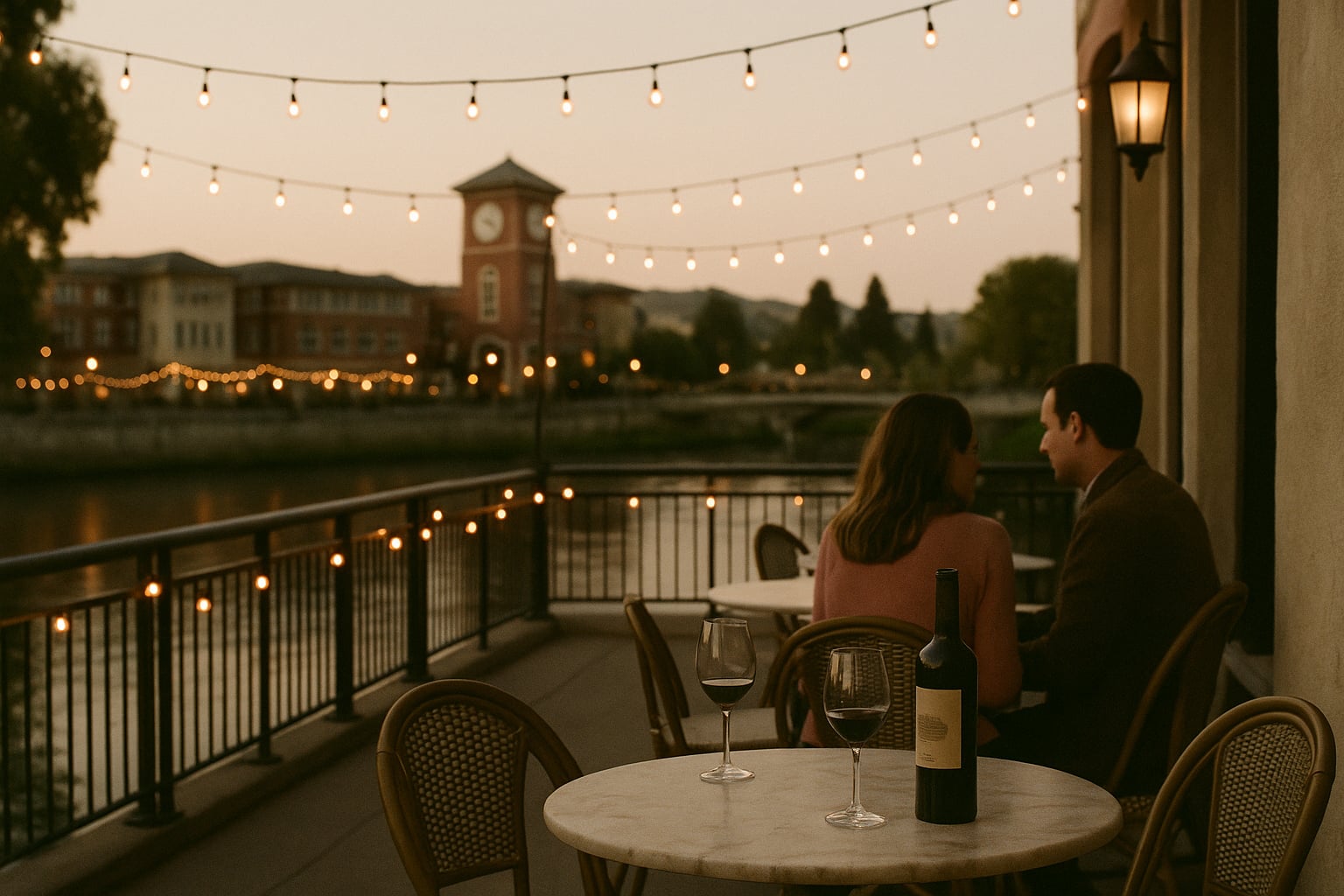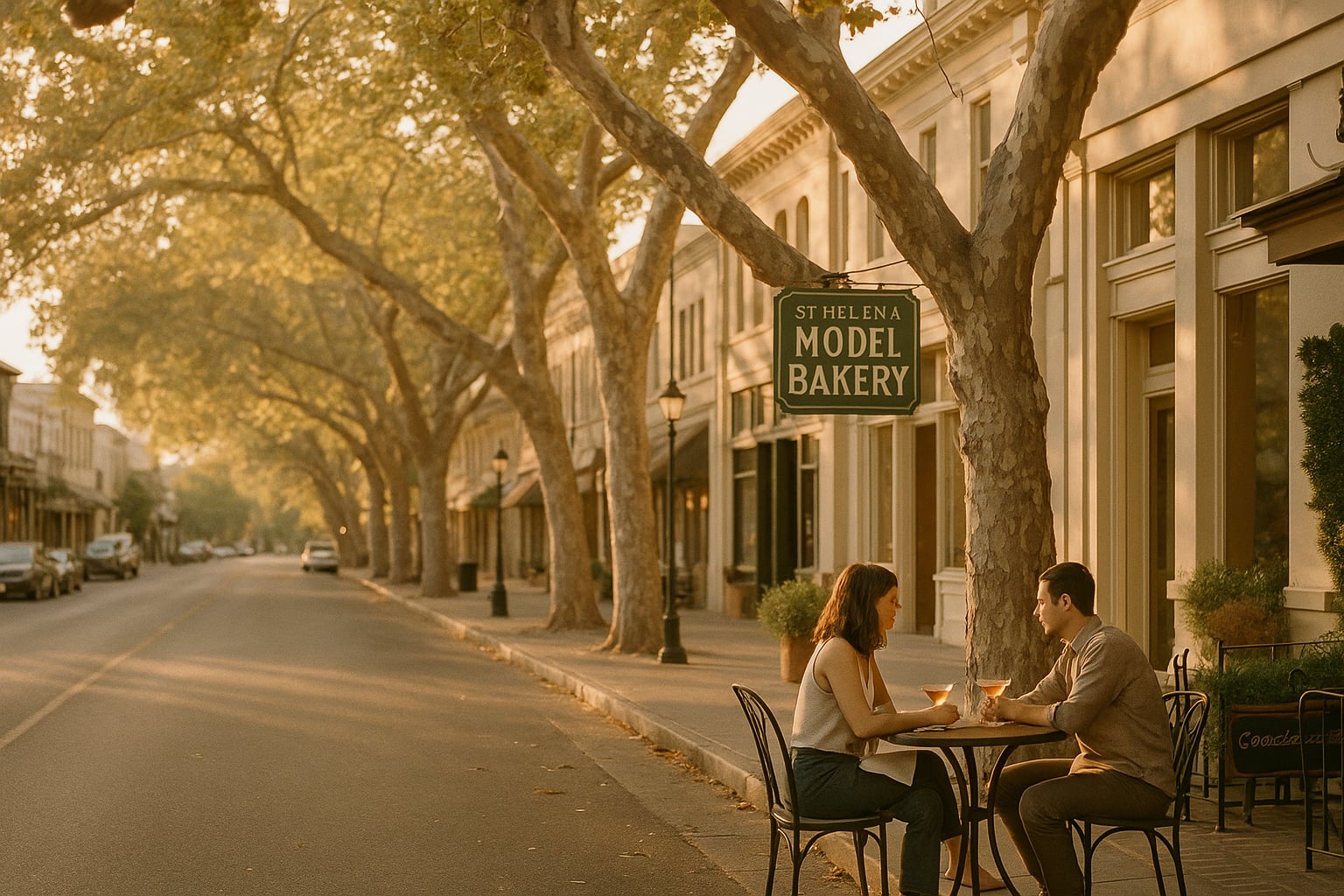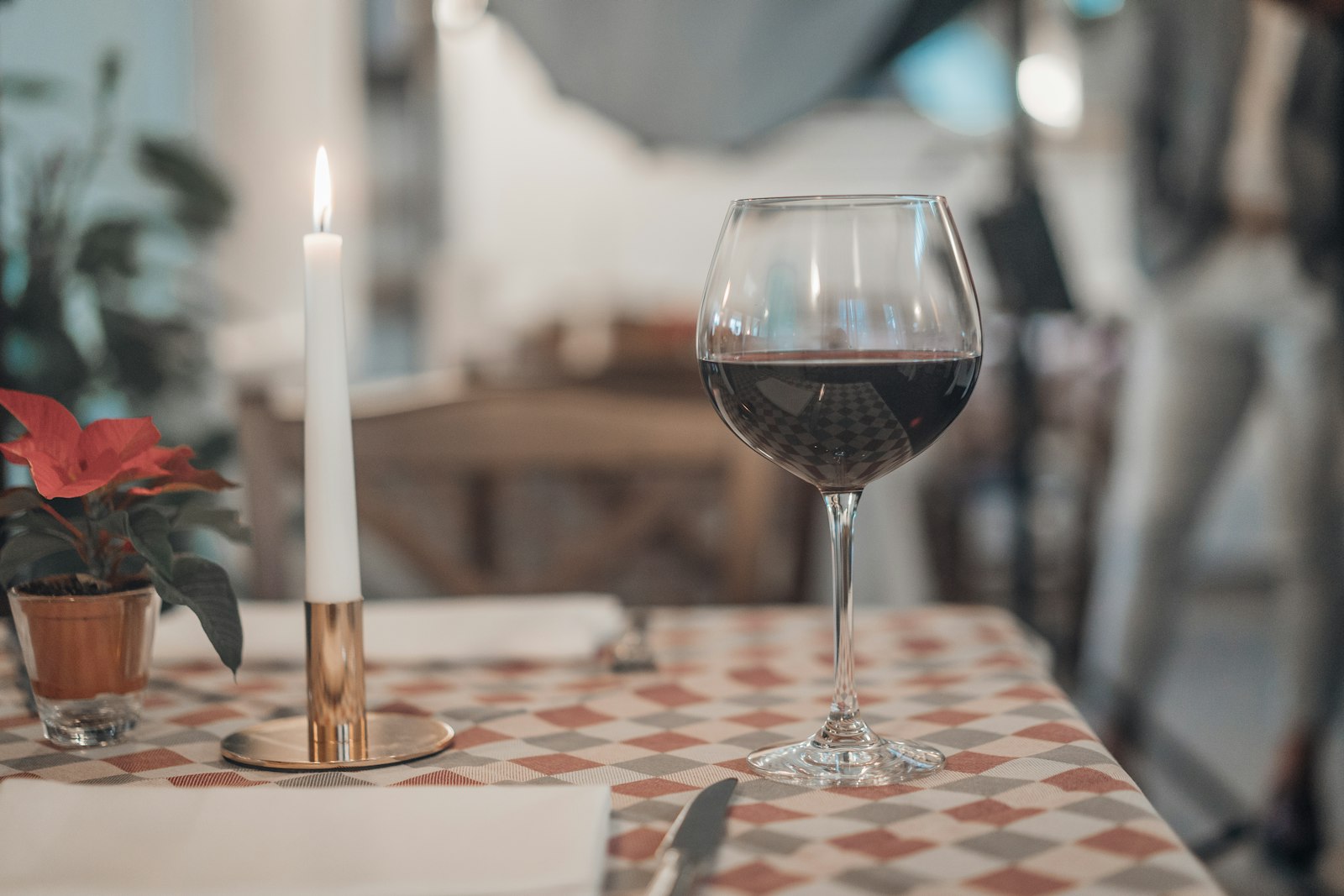
You've done the reservation. You've refreshed Resy at exactly noon, snagged the 7:45, picked the outfit, arrived six minutes late because parking, ordered the thing you always order, split a dessert you didn't really want, and driven home full but not fed.
The meal was fine. The night was fine. You're already scrolling before your shoes are off.
Fine is the enemy. Not of good — of actual.
What a Restaurant Actually Sells You
Atmosphere you didn't curate. Tables close enough to hear the couple next to you negotiating a vacation. A server who checks in every four minutes at the precise moment the conversation gets interesting. A bill that arrives before you're ready to leave.
None of that is the restaurant's fault. That's just what restaurants are. Public spaces running on a turn schedule, optimized for throughput, not intimacy.
You're not buying a meal. You're renting a container. And most of the time, that container doesn't fit what you actually need.
What the Home Dinner Is Actually For
Not convenience. Not laziness. Not "we're broke this month." When it's intentional, a home dinner is a deliberate construction — an environment you built specifically for two people who know each other's bodies, moods, and exact opinions on salt.
You control the light. The music stops when you want it to. Nobody's waiting on your table. The kitchen smells like garlic and brown butter, and that smell is doing something real before anyone's even sat down.
The act of cooking together, or cooking for someone, is physical and immediate in a way that sitting across a white tablecloth isn't. You're moving. You're tasting. You're making decisions in real time. That's not nothing.
The Setup That Makes It Work
This is the part people skip, and it's why the home dinner collapses into a Tuesday. Effort isn't optional — it's the whole point.
Buy the actual ingredients
Not the shortcut version. Go to the good market — the one with the fishmonger who'll tell you what came in this morning, or the cheese counter where someone will hand you a sample without you asking. The sourcing is part of the ritual. It's pre-loading the evening with intention.
If you're in wine country — anywhere from Healdsburg down through Yountville — you already have access to produce that restaurants in San Francisco are paying a premium to truck in. Use it. A dry-farmed tomato from a farm stand on Westside Road does something a restaurant can't replicate.
Stage the room
Not "clean the kitchen" — stage the room. Candles, not overhead. The linen napkins you only use when someone's visiting. The good glasses for a wine you've been holding onto. There's an article worth reading about the bottle you've been saving for the right occasion: tonight qualifies. Stop waiting.
Put something on that doesn't require attention. Not a playlist you have to curate mid-dinner. One album, start to finish. Something with weight.
Dress for it
This is the part that sounds absurd until you do it. Change clothes before dinner — not into something casual, into something deliberate. The silk top. The one good pair of trousers. Whatever makes you feel like the version of yourself that chose this person on purpose.
The act of dressing for dinner at home sends a signal to your own body. It's a transition ritual. You're not cooking dinner; you're making an occasion.
The Cooking Itself
Pick one thing you've never made. Not complicated — just unfamiliar. New enough that it requires actual attention, not muscle memory. Because the moment you're both hovering over something that could go wrong, something else happens: you're present.
You're not on your phone. You're not half-watching something. You're tasting, adjusting, arguing mildly about whether it needs more acid. That argument is foreplay. That's not a metaphor — it's just true.
The best home dinners feel slightly improvised. Not sloppy. Alive.
— MLL
Keep the menu to two or three things done well. The elaborate six-course production where one person is in the kitchen for three hours isn't the goal. You're not catering an event. You're making dinner for someone you want to sit across from.
What Actually Happens at the Table
No background noise of other diners. No performance of enjoying the meal for a server who checks in. No bill arriving as a signal that the night has a curfew.
You can stay at the table for two hours. You can move to the couch mid-bottle. You can go back for the cheese you forgot was in the refrigerator. The night has no architecture except the one you give it.
That freedom is disorienting for about ten minutes and then deeply good. You remember that an evening together doesn't have to be a series of managed transitions from one public space to another.
The Objection You're Already Forming
"But going out is the treat. Cooking at home is just... home."
Only if you let it be. The difference between a weeknight dinner and a home date night is entirely in the construction. Same kitchen. Completely different thing.
The candles. The good glasses. The changed clothes. The one dish you actually focused on. Phones in the drawer — not face-down, in the drawer. Those choices are the reservation. You just made them instead of OpenTable.
And you don't have to drive home.
One Scenario, Specifically
It's a Saturday. You go to the market in the morning — the one with the good bread and the fish counter — and you buy something you've never cooked. A whole fish, maybe. A cut of meat that requires patience. You pick up a bottle you've been curious about and one you know works.
Afternoon is normal. Then, around six, you both change. Not into much — just into the version of yourselves that's making this a thing. You pour wine before the cooking starts. The kitchen fills up with smell: heat and fat and something herby you threw in without measuring.
Dinner takes longer than expected. You eat at eight instead of seven. The fish is slightly overdone and it doesn't matter. The second bottle gets opened. You're still at the table at ten-thirty talking about something you haven't talked about in months.
That's the win. Not the food. The ten-thirty.