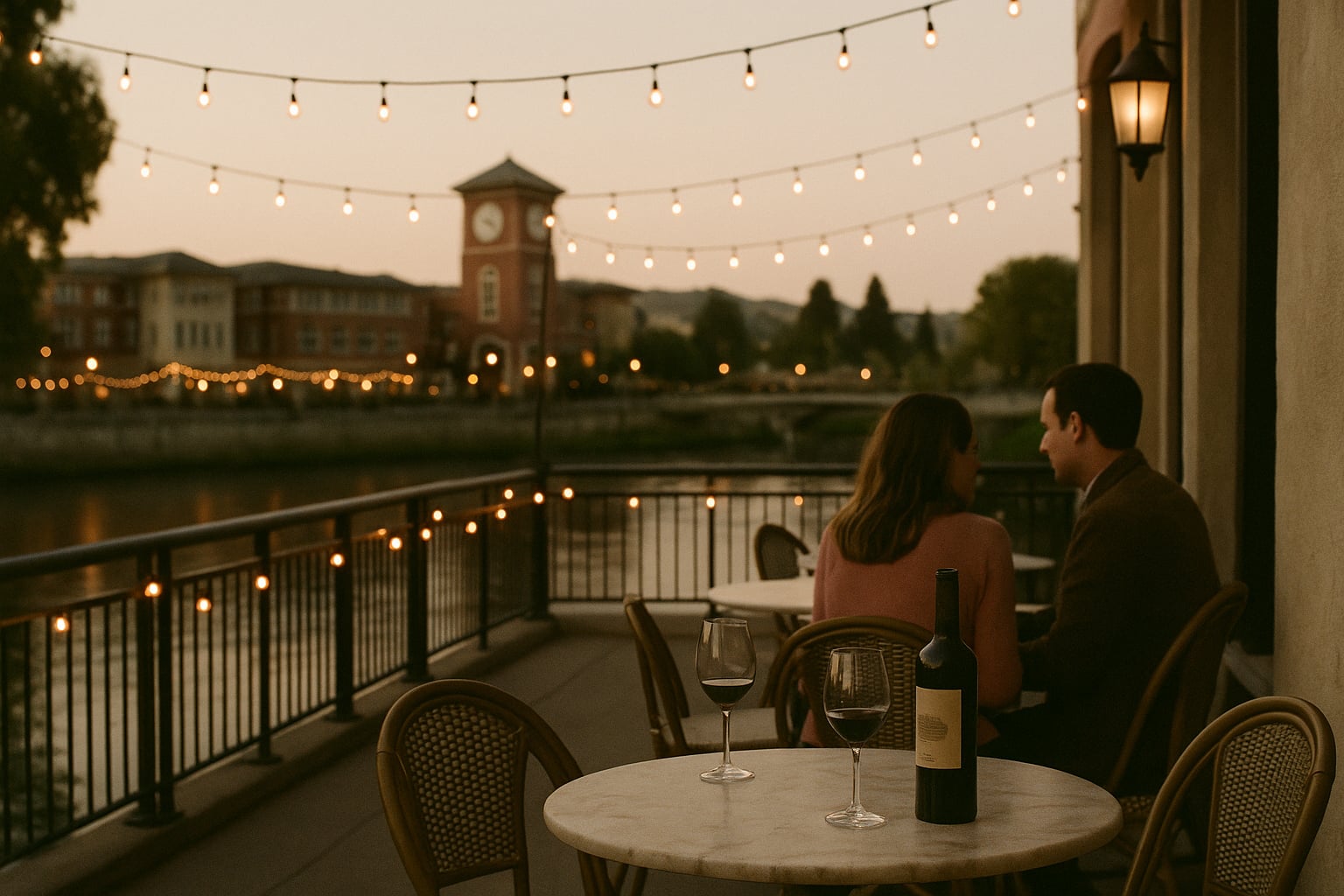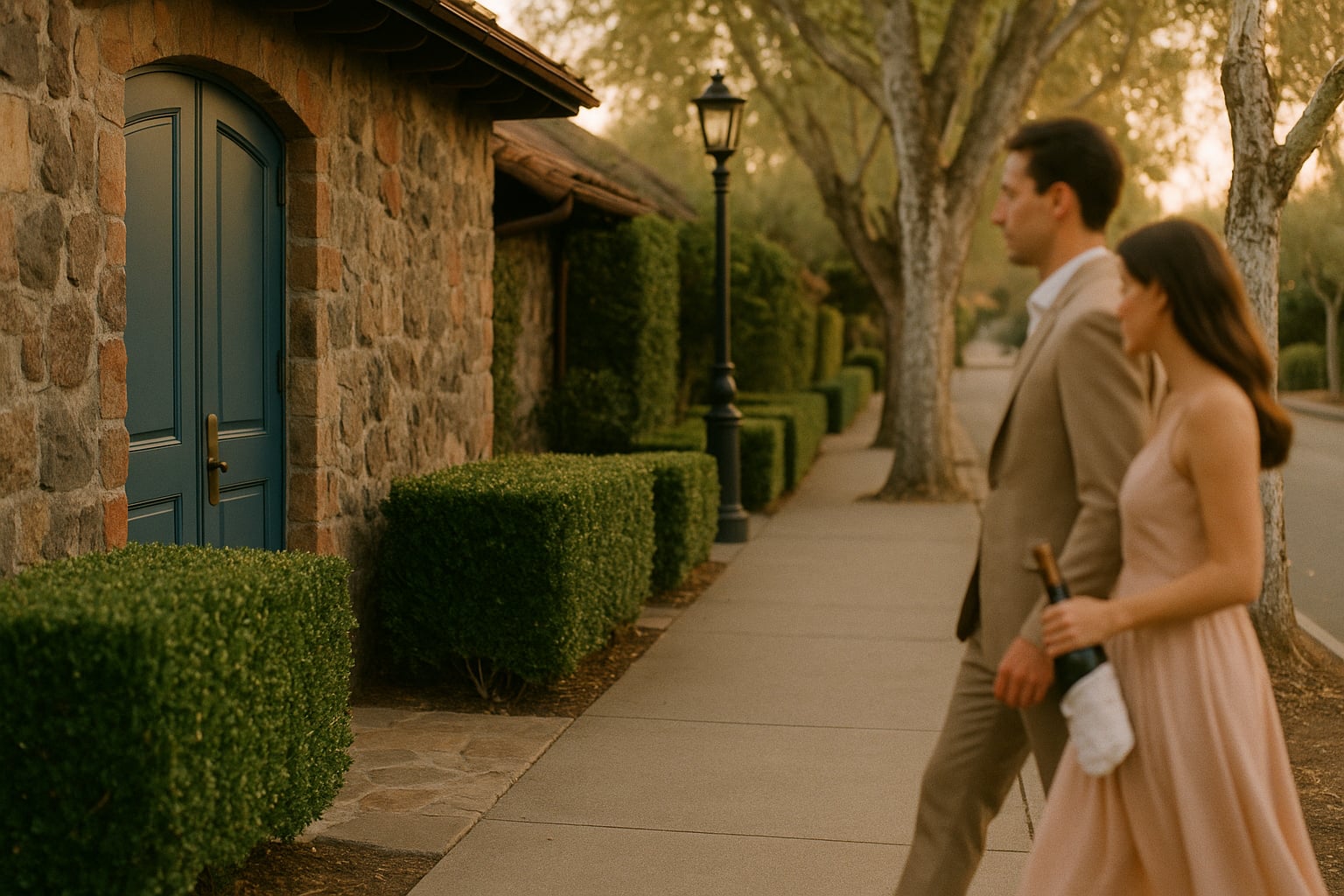
There's a bottle somewhere in your house right now. Maybe it's on a shelf. Maybe it's in a rack you bought specifically to hold bottles you never open. Maybe it's in a paper bag from a Healdsburg tasting room, still nested in tissue, still waiting.
You've been saving it for the right occasion.
The occasion has not come. It will not come. Not because nothing good will ever happen to you, but because the right occasion is a moving target — and you are very, very good at moving it.
What "Saving It" Actually Means
The bottle isn't really about the bottle. You know this.
It's about the belief that pleasure needs to be earned before it can be taken. That enjoyment requires a threshold — a promotion, a milestone, a reservation somewhere with a dress code. That ordinary Tuesday doesn't count.
This is not a wine problem. It's the same logic behind the good china still in the box, the lingerie you bought for a trip that got canceled and never re-bought, the slow dinner you keep meaning to cook when things settle down. Things don't settle down. You know that too.
We defer pleasure under the guise of savoring it. But deferral isn't restraint. It's just waiting dressed up as taste.
— MLL
The Occasion You Keep Waiting For
Here's the pattern. You open a bottle when something happens: anniversary, birthday, promotion, guests. These feel like the right containers for the good stuff.
But think about the last time you actually remember the wine. Not the label, not the occasion — the actual experience of drinking it. Was it at the milestone dinner, distracted by the check and the parking and whether you said the right thing? Or was it a random night, low stakes, sitting on the floor or the back step, just the two of you and whatever was left in the rack?
The ordinary evenings remember themselves differently. They don't compete with anything. There's room for the wine to actually land.
Why Pleasure Gets Hoarded
Some of it is inherited. If you grew up in a house where certain things were kept for company, you absorbed the message: the good stuff isn't for every day. Every day doesn't deserve it.
Some of it is scarcity logic. The bottle cost something real. Opening it means it's gone. So you keep it, and the keeping becomes its own kind of pleasure — theoretical pleasure, risk-free pleasure, pleasure that can't disappoint you.
And some of it is identity. The person who has a bottle worth saving is the person who has arrived somewhere. Opening it on a Tuesday means admitting you might already be there. That can be harder than it sounds.
What You're Actually Missing
Tuesday-night pleasure has a specific texture that milestone pleasure can't replicate. No one is performing. There's nowhere else to be. The kitchen smells like whatever you threw together. Your person is in yesterday's t-shirt. The light is low and the day is done and there is absolutely nothing requiring you to make it special.
So when you open something extraordinary into that ordinariness, it lands differently. It says: this — right here, this exact unremarkable evening — is what I'm celebrating.
That's a different kind of occasion. Not lesser. Actually harder to manufacture.
The Sonoma Problem
If you've ever spent a weekend in wine country — at Solage, at Indian Springs, wandering Yountville or driving slow through Sonoma — you know the particular embarrassment of buying a bottle at the source, bringing it home wrapped in intention, and then watching it sit there for two years while you open the $18 grocery-store Pinot.
The wine country weekend becomes a box of deferred joy. The bottle sits there as a souvenir of the version of yourself who bought it — the relaxed, present, this-is-what-life-should-be version. And every time you see it, it reminds you that you haven't gotten back there yet.
Open the bottle. That version of yourself is still in there.
How to Actually Do It
Pick a Tuesday. Not next Tuesday — this Tuesday.
Don't make a whole thing of it. That's the trap. The moment you decide to "make it a moment," you've recreated the special-occasion pressure and the bottle goes back on the shelf. Just open it. Get two actual glasses, not the ones you grab on autopilot. Let it breathe while you figure out dinner.
Notice the difference. Not just in the wine — in the evening. Something shifts when you stop treating your own life like a dress rehearsal.
The Other Bottles
The wine is the easy version of this problem. The harder ones: the thing you want to say but are waiting for the right moment. The trip you keep planning until the timing is better. The lingerie at the back of the drawer. The version of your relationship you keep saving for when things calm down.
None of it keeps forever. The good stuff has a window. The window is usually now.
Open the bottle. Pull out the good glasses. Let the weight of the wine sit in your hand for a second before you pour it. This is the occasion. The one that's been here the whole time.
Related: The Art of the Slow Dinner — a guide to the weeknight meal that earns the evening. And if the bottle lives behind a bar you never fully finished building: The Home Bar That's Actually an Invitation.