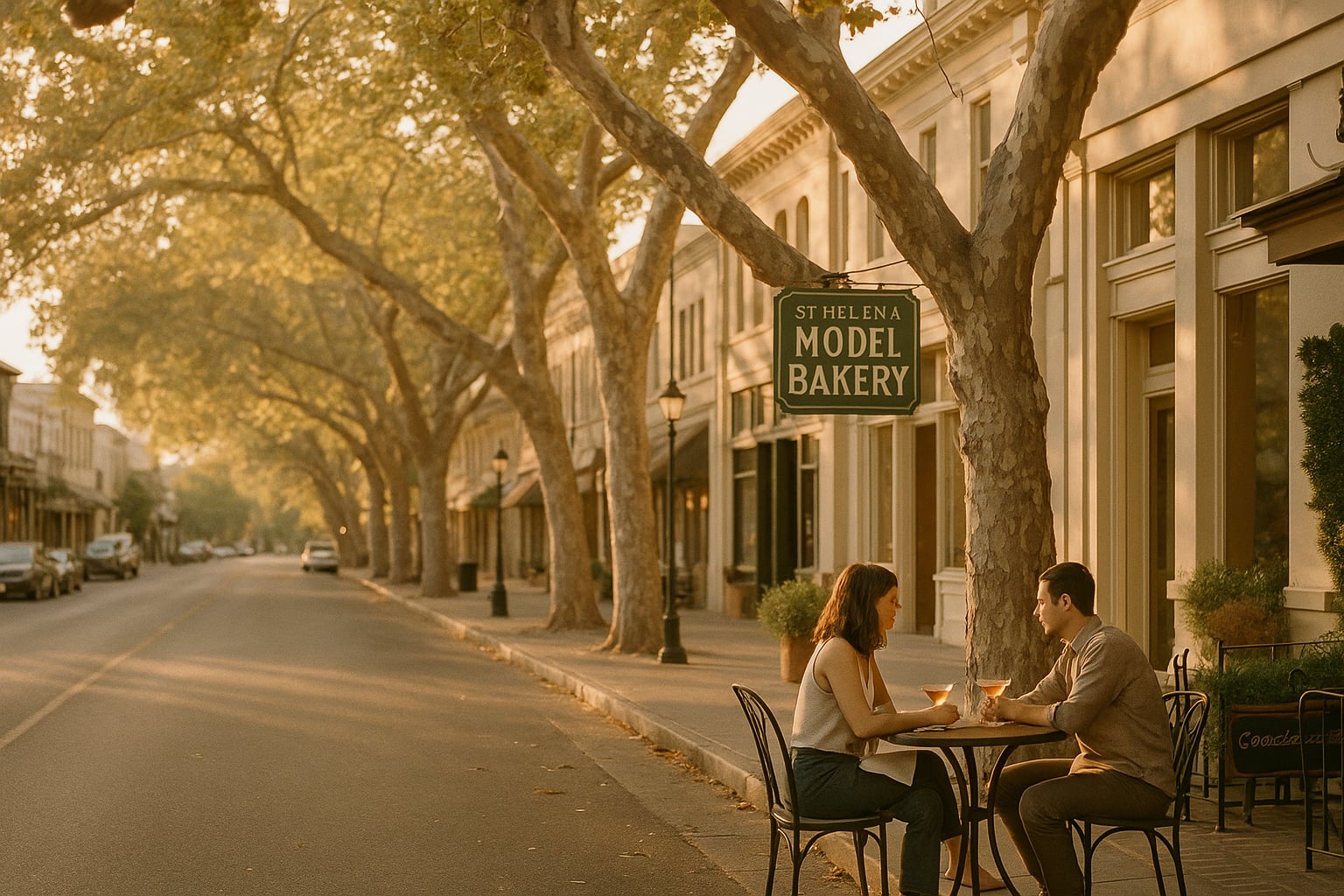
You know exactly how it starts. Not because you planned it that way. Because it's happened the same way maybe two hundred times, and somewhere along the road, the two of you stopped deciding and started just... running the sequence.
The hand on the lower back. The particular way the TV gets turned off. The side of the bed someone migrates to. It's efficient. It's comfortable. It is, without either of you meaning it to be, completely invisible.
The Script Gets Written Without You Knowing
Every couple develops a shorthand for sex. It starts as something sweet: you learned each other. You figured out what works. You stopped needing to fumble through the translation.
But shorthand eventually becomes code. And code becomes infrastructure. And infrastructure is the stuff you stop noticing because it just runs in the background while you're thinking about something else.
The ritual isn't the problem. Ritual can be gorgeous. The problem is when neither of you is actually present for it anymore. When you're going through the motions with the lights low and the routine intact and some quiet part of you is... elsewhere.
We weren't having bad sex. We were having extremely competent sex. Which, at some point, felt worse.
— MLL reader, married nine years
What the Choreography Actually Looks Like
It usually lives in about four beats. The first move. The response to the first move. The transition. The rest follows automatically.
Maybe it always starts on his side of the bed. Maybe it never starts before 10 PM. Maybe there's a specific touch — shoulder, waist, hip — that means this and both of you know it without a word.
These aren't bad things on their own. Legibility between partners is valuable. Knowing what someone means before they finish saying it — that's intimacy built over years. It's real.
What erodes isn't the knowing. It's the wanting-to-be-known. When the script runs so smoothly that neither person has to choose anything, the choosing stops feeling like it matters. And then the choosing stops happening at all.
The Moment You Realize You've Been Coasting
It tends to hit at an odd angle. Not in a fight, not in a therapist's office. Usually somewhere mid-routine, when you catch yourself noticing you're not really there.
Or your partner looks at you and you realize they're not really there either. Bodies present. Sequence running. Two people occupying the same bed like they're completing a task they both agreed to stop thinking about.
That moment of recognition is important. It's not a diagnosis. It's information.
Why Familiarity Isn't the Villain Here
Here's the reframe: the script isn't proof something is broken. It's proof something got built. You can't sleepwalk through something you never learned.
The couples who are genuinely disconnected don't have a script. They have silence and distance and the specific tension of two people who've stopped reaching. The script, annoying as it's become, means you kept reaching. It just calcified.
What you're actually dealing with isn't a dead relationship. It's a live one that stopped receiving new input. That's a different problem. And a smaller one.
How to Break the Sequence Without Making It Weird
You don't need a conversation about it. You don't need to name the dynamic before you can change it. Most of the time, naming it kills the energy faster than the ritual did.
What actually works is small, deliberate interruption. Not a dramatic pivot. A single beat that isn't the usual beat.
Initiate from a different room. At a different time. With a different first touch. Don't explain it. Just do the thing that isn't the thing you always do, and see what your partner does with the unexpected.
Start in the kitchen instead of the bedroom. Stay dressed longer than usual. Say something specific and slightly surprising. The weight of the word specific matters here: not a compliment you've given a hundred times. Something you actually noticed today.
The Specific Things That Actually Interrupt a Pattern
Change the lighting before the sequence starts. If the lights always go off, try leaving one on. If they always stay on, try a single lamp from across the room. The visual shift alone repositions attention.
Touch somewhere that isn't part of the usual opener. The back of the neck. The inside of the wrist. The shoulder blade. Somewhere that has no established meaning in your script, so the body has to recalibrate instead of autopiloting.
Slow down the part that usually moves fast. Speed up the part that usually lingers. The disruption doesn't have to be large. It has to be noticed.
What This Actually Feels Like When It Works
It feels like the first time in a while that both of you had to pay attention. Not to a new person. To the actual person who's been there, who you know well enough to have built an entire unconscious language with.
That's the thing. The antidote to the script isn't a stranger. It's your partner, encountered sideways. Slightly differently. In a way that asks both of you to choose it instead of just falling into it.
There's a version of this that happens at Solage in Calistoga — couples on the thermal pools at odd hours, nobody performing anything, just the heat and the dark and the strange intimacy of being somewhere that isn't home. The location isn't doing the work. The not-home is. But you can create that inside the home you have.
The silk robe you haven't worn in eight months. The specific smell of that body oil you stopped buying. A different room. A different time of day. The weekend morning neither of you has fully claimed yet.
The Part Nobody Wants to Admit
Sometimes one of you checked out of the script before the other noticed. Sometimes you've been running the sequence solo, in the sense that your body was present and your attention was somewhere across the ceiling.
That's not a confession requiring a conversation. It's an extremely normal thing that happens in long-term relationships and mostly goes unnamed because naming it feels like an accusation.
What it actually means is that you're ready for something different. Not something new. Something that requires you both to be in the room for it.
The script ran because you let it. You can stop letting it any time. You don't need permission. You just need to do something that isn't the first line of the thing you always do.
That's the whole thing, really. The choreography exists because you built something together. Interrupting it isn't destroying the building. It's opening a window you forgot was there.