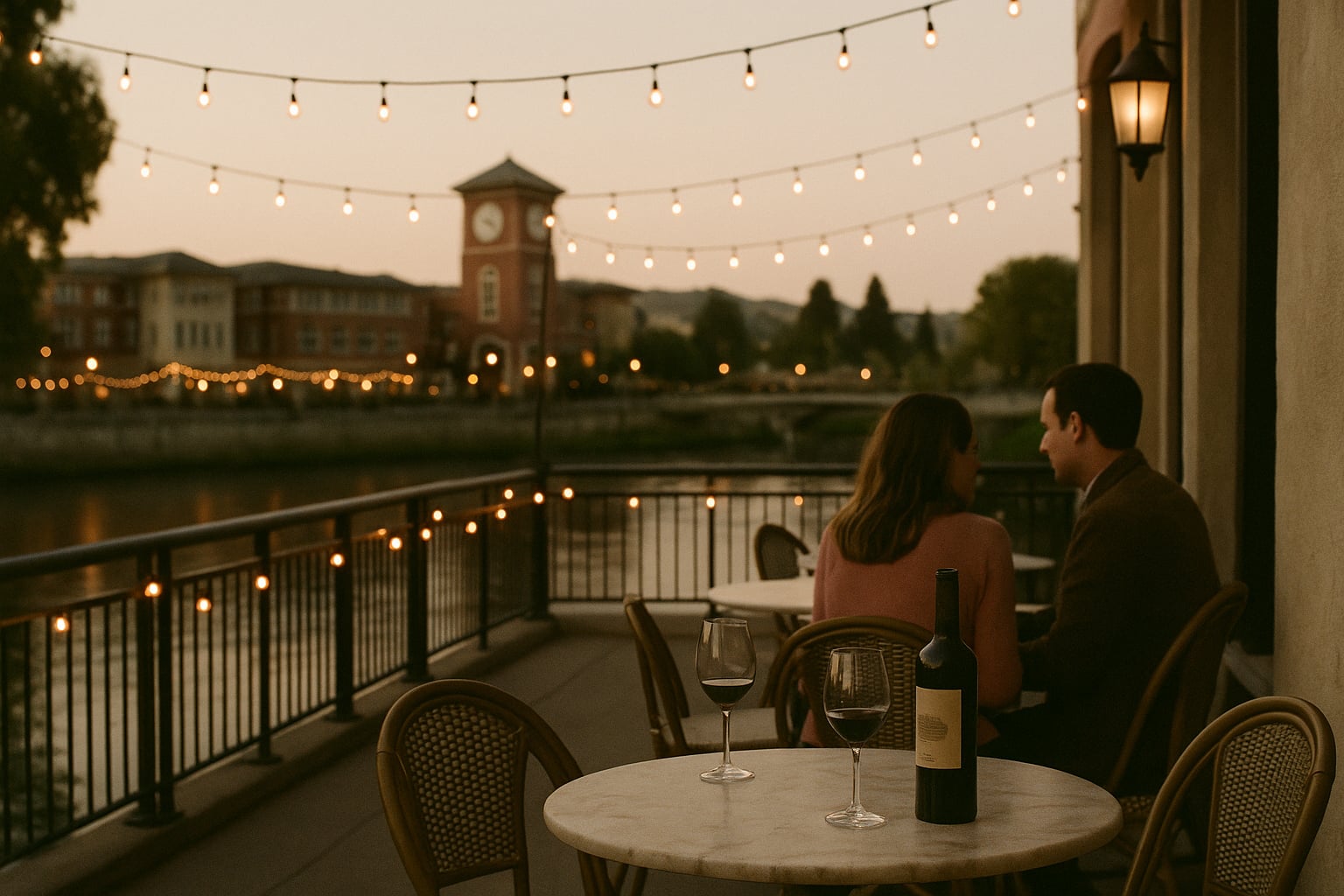
Nobody thinks they're doing it. That's the thing. You ask a couple if they perform their relationship online and they'll say no, obviously not, they just share things they're proud of. Normal stuff. A dinner in Yountville. The anniversary weekend at Solage. The moment by the lavender at sunset where she laughed at something and he caught it on his phone and it looked exactly like love.
And it was love. That part is true. But somewhere between the capturing and the posting and the checking how it landed, something else happened. The experience started bending toward the frame before it even finished being an experience.
That's not a social media problem. That's a relationship architecture problem.
When the Highlight Reel Becomes the Blueprint
There's a version of this that's obvious: the couple staging pictures, optimizing captions, monetizing their love story. Everyone can spot that and feel superior to it.
The subtler version is harder to see because it looks like a normal, functioning relationship from any angle you'd think to check. They do go on dates. They do touch each other in public. They are, genuinely, happy together a lot of the time.
But notice what they choose. Notice where the energy goes. The wine country weekend gets planned with a particular inn because the courtyard is beautiful in morning light. The dinner reservation is at 6:30 because 8:00 is too dark for photos. The argument that started in the car gets quietly shelved when they arrive somewhere picturesque, because who wants to ruin the moment.
The highlight reel hasn't replaced the relationship. It's started curating it. And the parts that don't make the cut — the irritability, the flat Tuesday nights, the sex that was a little off, the long silences that aren't comfortable — those parts aren't disappearing. They're just getting less airtime. Less attention. Less room to be worked through.
What Intimacy Looks Like When No One's Watching
Real intimacy lives in terrible lighting. It's in the Sunday morning before anyone has washed their face, when the sheets smell like sleep and the coffee is too strong and nobody is performing anything. It's in the fifteen-minute conversation about nothing that somehow turns into the most honest thing either of you has said all week.
It's in the friction. The small repairs. The moment someone says actually, I didn't like that and the other person has to decide in real time what kind of partner they are.
You can't photograph any of that. Which means, for couples who've quietly reorganized their attention around what's capturable, those moments are starting to feel less real. Less worth dwelling in. Not because they're bad at love. Because they've accidentally trained themselves to devalue what doesn't translate.
We had this incredible weekend and I kept thinking, why does it feel like I wasn't actually there?
— anonymous, reader submission
The Micro-Behaviors Worth Noticing
You don't have to have a big following for this to apply to you. The camera doesn't have to be for anyone else. Some people have just started living in a kind of internal highlight reel — a running self-edit where certain moments feel more valid than others because they fit the story of the relationship they want to be having.
Watch for this: one partner reaches for their phone every time something good happens. Not from vanity. From habit. The capturing has become the way they mark that something mattered.
Watch for this: a trip gets planned around what it will look like to describe later. Not what it will feel like to be in.
Watch for this: the things they talk about with each other are often things they've already posted. The posting has replaced the processing. They've told the story; now the story is closed.
The Gaps Are Not Empty
Here's the reframe: the gaps aren't where the relationship falls apart. They're where the relationship actually is.
The gap is Wednesday at 9 PM when you're both tired and someone still finds the energy to ask a real question. The gap is the argument you have about something that sounds stupid — dishes, again — that is clearly not about dishes. The gap is lying in the dark not touching and feeling the weight of that and deciding to close the distance anyway.
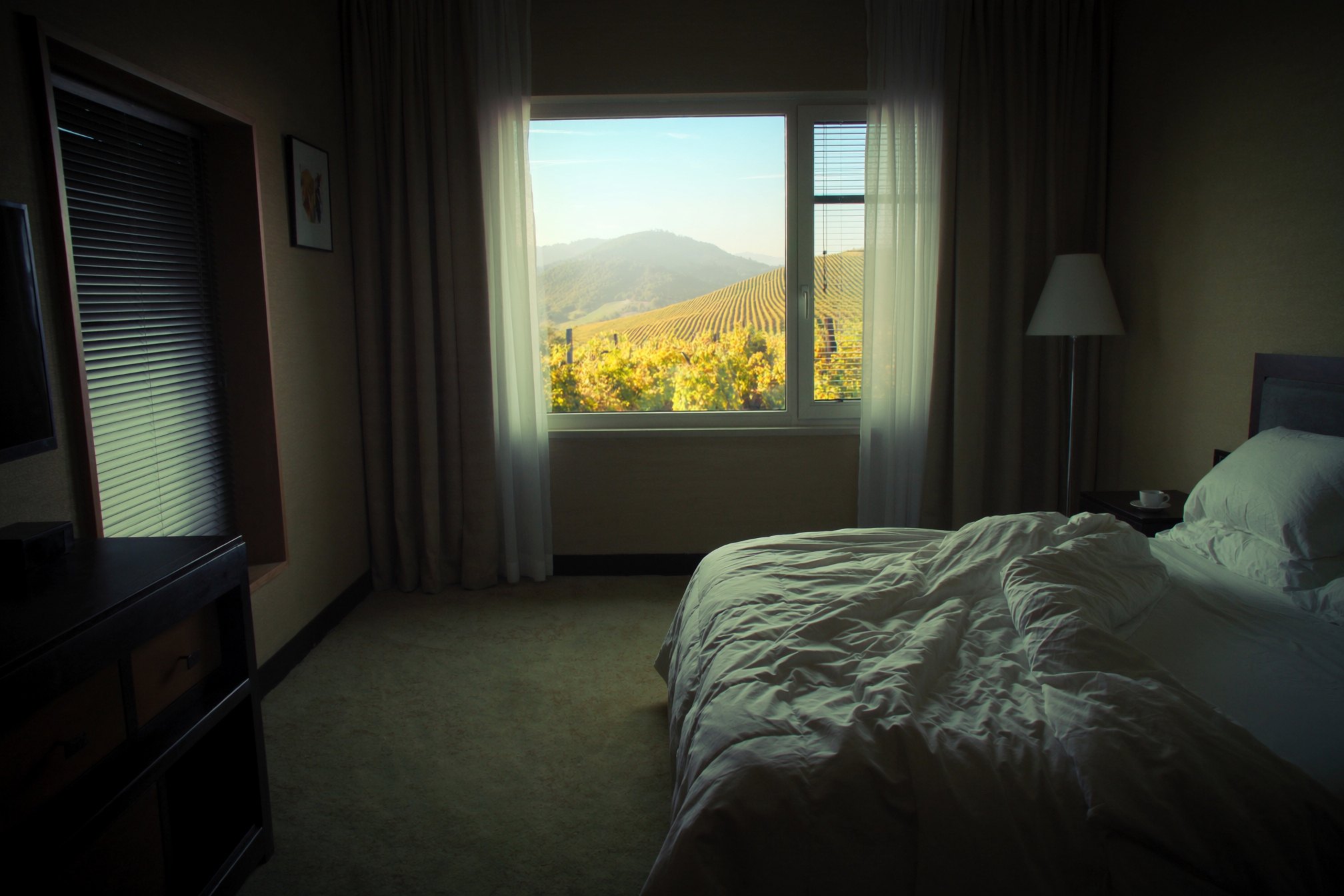
The gap is a hotel room in the morning before checkout, no agenda, just the warmth of someone you've chosen in a room that doesn't belong to either of you. The light comes through wrong. Someone's hair is terrible. You're both slightly hungover from the Healdsburg tasting that went longer than planned.
That's where it lives. That's where you find out who you actually are together.
What to Do With This
There's no prescription here. The point isn't to quit posting. It's to notice when the posting has started preceding the experiencing rather than following it.
One question that does something useful: would we still do this if we couldn't share it? Not as a judgment. As information.
If the answer is yes, post the thing. Capture the beautiful dinner. Mark the anniversary. That's not performance — that's documentation, and documentation is fine.
But if the answer is uncertain — if the weekend loses something without the story of the weekend — that's worth sitting with. Because what you're describing is a relationship that's become dependent on external reflection to feel real. And external reflection has never, not once, been able to do what a Tuesday night conversation can do.
The most intimate couples I know aren't the ones with the best feeds. They're the ones who look slightly bored at dinner and then lean in and you can tell they've been talking for hours. They don't look like anything. They just look like people who know each other.
That's the whole thing. That's what it looks like when you stopped living toward the camera and just started living.