You still do the thing. The Sunday coffee ritual, the way you always kiss goodbye before one of you leaves for work, the side of the bed that became yours sometime around year two and hasn't shifted since. You do it. You've always done it. You don't think about it at all.
That last part is where it gets interesting.
When Romance Becomes Routine
There's a version of this that's beautiful. Rituals become shorthand. They say I know you, I chose you again this morning, I'm still here without requiring words. The consistency is the point. That's not nothing.
But there's another version, and most long-term couples know it without naming it. The ritual stays. The feeling doesn't come with it anymore. And nobody mentions it because what would you even say? I noticed our thing has stopped feeling like our thing? That sentence is terrifying.
So you keep doing the thing. And it keeps meaning less. And neither of you says a word.
What Calcification Actually Looks Like
It rarely looks dramatic. It looks like the goodbye kiss landing on the corner of a mouth because one of you is already looking at a phone. It looks like Sunday coffee that happens in separate rooms now, both of you technically participating in the ritual and not really together at all.
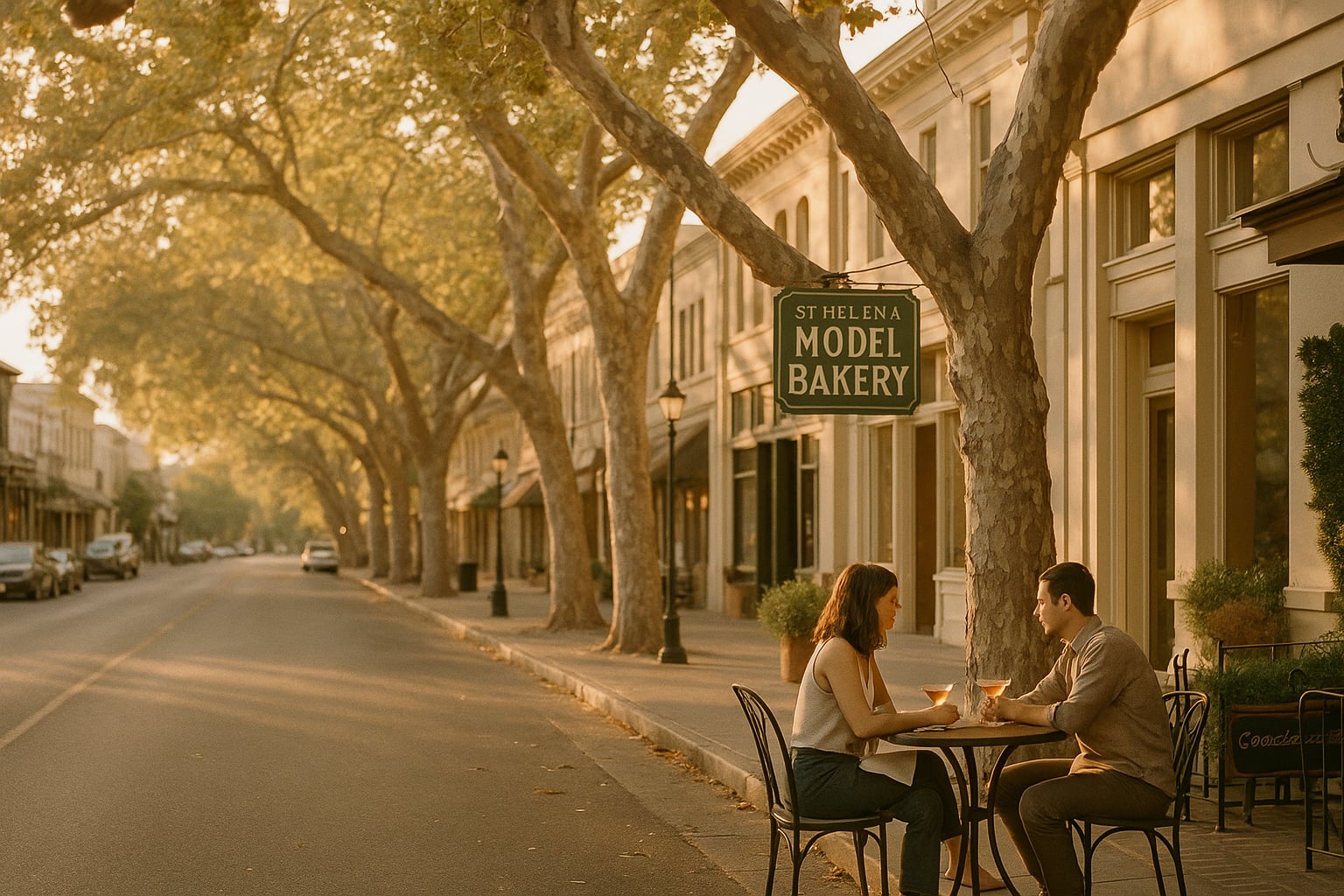
It looks like ordering the same thing at the same restaurant in Healdsburg you've gone to for four years, and the familiarity that used to feel like warmth now just feels like not having to decide.
This is what calcification does. It doesn't remove the habit. It removes the attention inside it. The form stays. The aliveness goes.
Is It Comfort or Is It Disappearing?
This is the real question. And the honest answer is: it depends on whether you could stop.
Comfort is a ritual you could skip but don't want to. The disruption would feel like loss. It means something even when it's quiet.
Calcification is a ritual you continue mostly because stopping it would require a conversation neither of you is ready to have. You're not keeping it because it nourishes you. You're keeping it because its absence would be an admission.
We still have wine on Friday nights. I couldn't tell you the last time I actually tasted it.
— From a reader letter
That's the distinction. The wine is still there. The Friday is still there. But the attention, the actual presence inside the ritual: gone.
The Micro-Behaviors That Tell You Which One You're In
You do it, but you're already somewhere else
The kiss is happening but you're composing a grocery list. The morning coffee is in your hand but you're on your phone, scrolling before you've said ten words. Your body is executing the ritual perfectly. You are nowhere near it.
You'd feel relieved if it got skipped
Not every time. But sometimes. When the Friday wine ritual feels like one more obligation on a long day, that's information. Not about the wine. About where the two of you are.
You can't remember when it stopped feeling like something
This one is quiet and a little sad. You try to trace it back and you can't find the moment. It just happened gradually, the way rooms get messy when you stop seeing them.
What's Actually Underneath This
Usually it's not that the relationship is in trouble. Usually it's that the relationship is in orbit: circling a center neither of you is standing in anymore.
Life got dense. Work, kids, money, the particular fatigue that comes from managing a shared household across years. The ritual stayed because rituals are easier to maintain than presence. Presence is harder. It requires you to actually show up inside the moment instead of just executing it.
The ritual became a placeholder for connection. That's not cynical. That's human. It happens to most people in long relationships. The question is just whether you notice.
The Reframe: Calcification Isn't the End of the Ritual
Here's what's actually true: a calcified ritual is not a dead one. It's a dormant one. The structure is still there. The container still exists. You just need to put something back inside it.
That can be small. Almost embarrassingly small.
The goodbye kiss, but you put your hand on their face when you do it. Just once. The Friday wine, but you pour it and you both sit down without phones, and you ask one question you actually want to know the answer to. Not a check-in. Not logistics. Something real.
Sunday coffee where you go back to whatever corner you used to occupy before the ritual went automatic. The weight of a mug in your hand. The steam. The light in the kitchen at 8 a.m. that hasn't changed in years and is still, if you look at it, kind of remarkable.
The Moment That Actually Matters
Imagine this. You've been doing the Saturday morning thing for eleven years. Coffee, the same chairs, the same approximate silence. One Saturday you look over and say, out loud, I can't remember when this became a thing for us. Do you?
And they put their mug down. And they actually think about it.
That conversation, right there, is the ritual working again. Not because you scheduled a date night or did something new. Because you looked at the ordinary thing you've been doing for years and you let yourself wonder about it together.
That's the difference between comfort and disappearing. Comfort can be questioned. It doesn't need defending. It just quietly confirms itself, once you're paying attention again.
Disappearing can't survive being looked at directly. Which means looking is the whole thing.