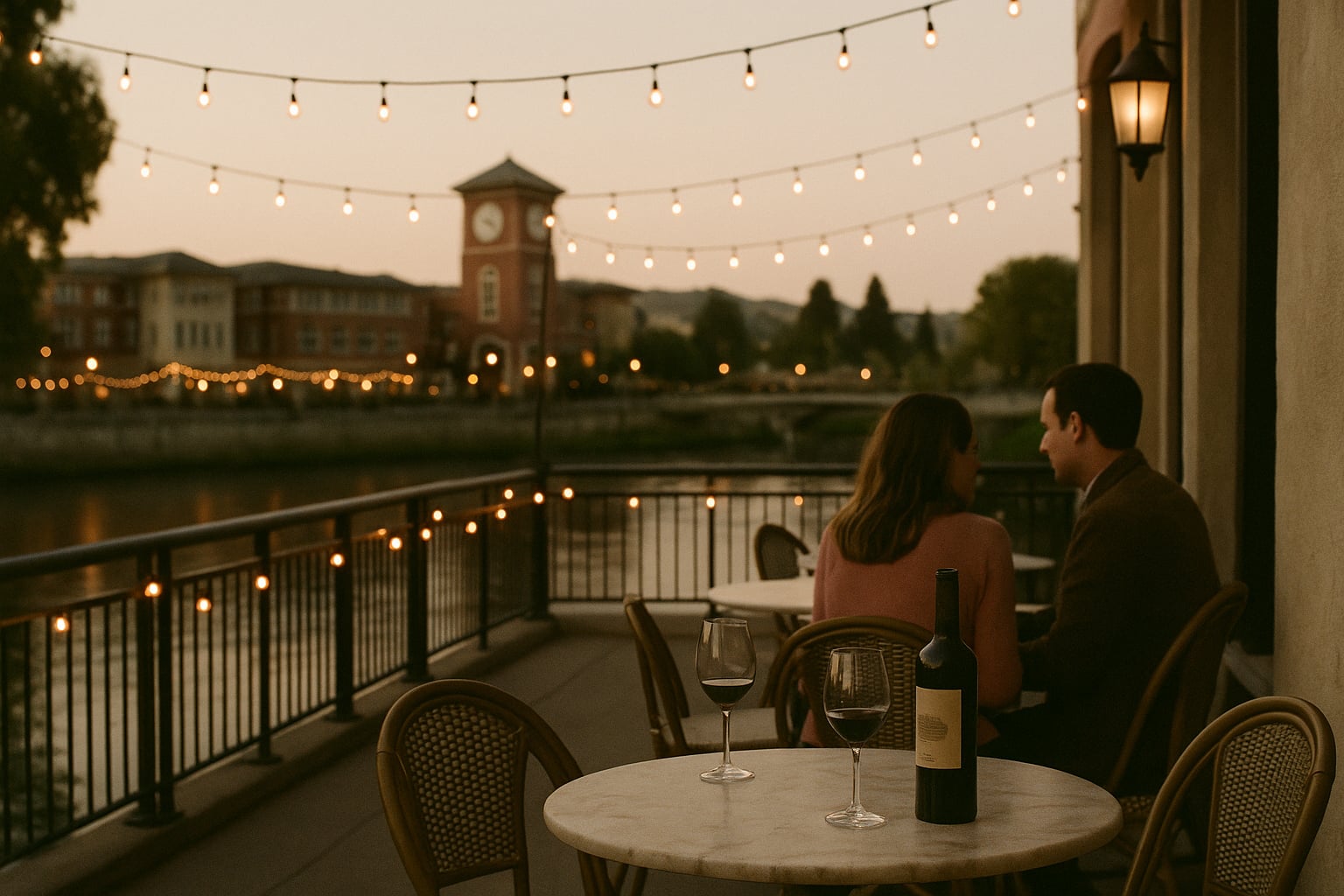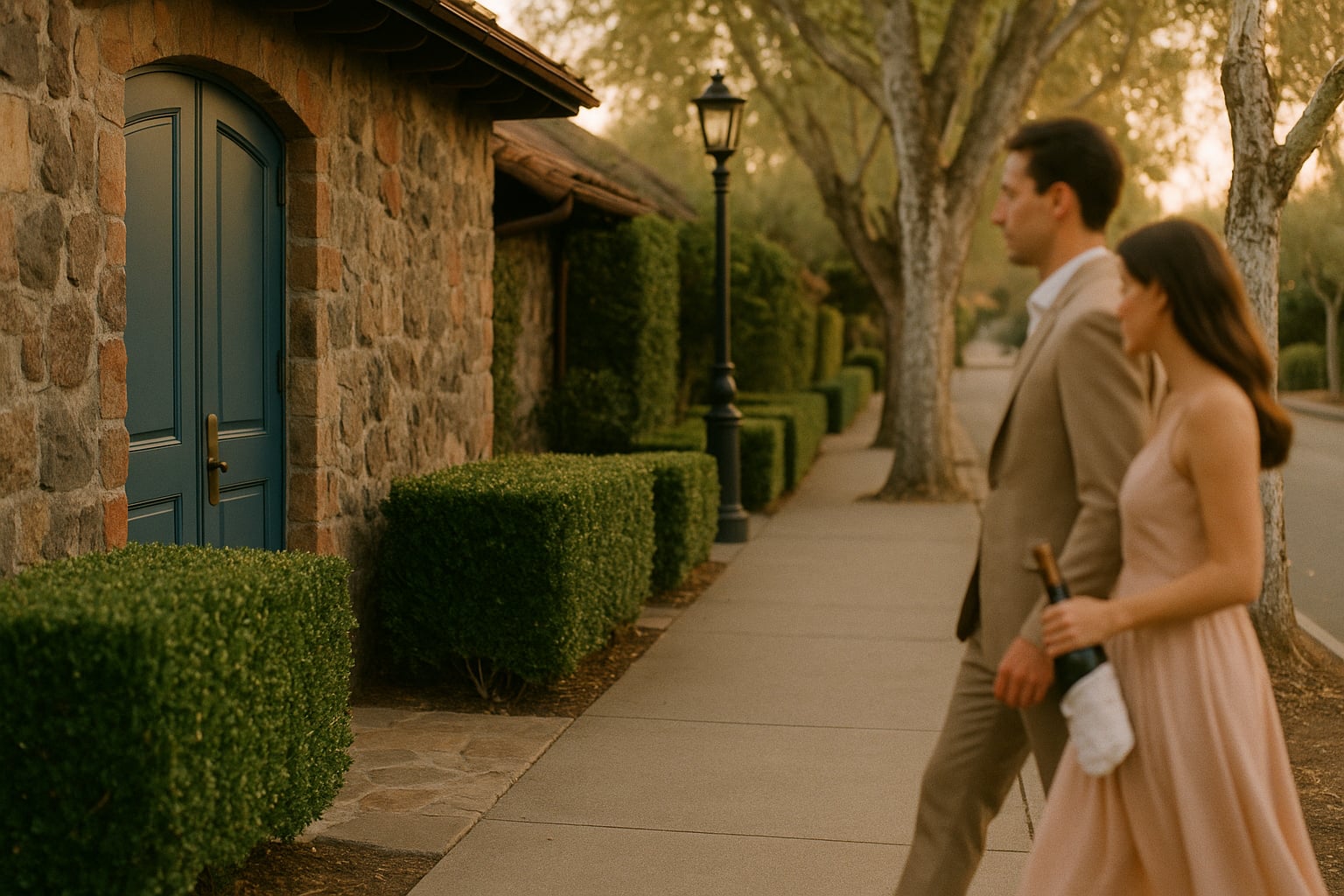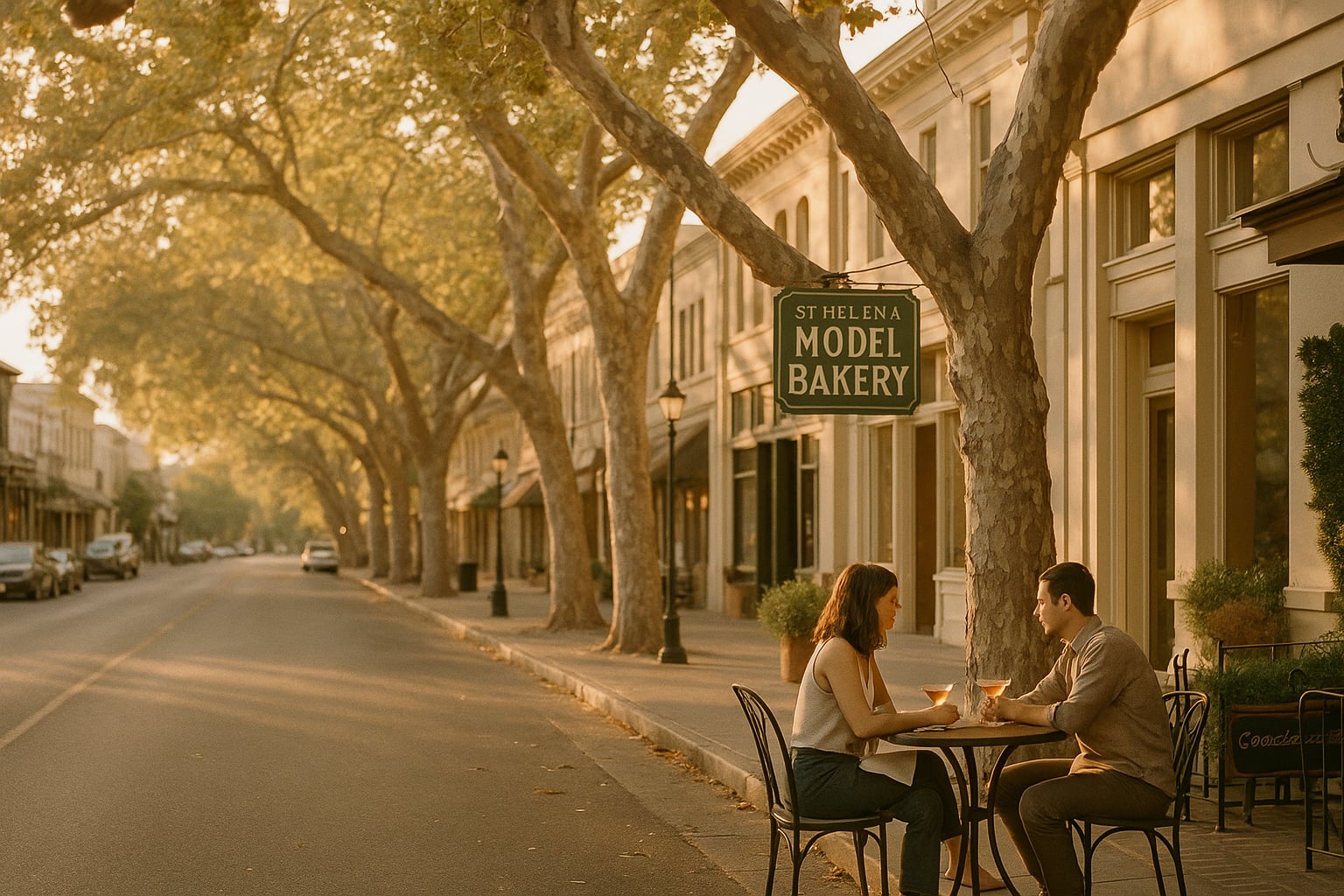
It usually starts with a trip. Healdsburg, maybe. Or that long weekend at Solage where the lighting was genuinely unfair. One of you says, we should make a joint account, and it sounds easy. Fun, even. A little scrapbook. No pressure.
Two years later, you're standing in the same vineyard, slightly rearranging your wine glasses for the second time, because the first shot had a shadow and the account has 4,000 followers now and somewhere along the way that started to matter.
Nobody agreed to that. And yet here you are.
What the Account Actually Is
A couples account is not a scrapbook. It's a public-facing identity that belongs to both of you and neither of you. It has an aesthetic. It has an audience. It has implicit expectations about frequency, tone, and what counts as shareable.
It is, functionally, a small media company. Except you didn't get equity. You got a grid.
And like any collaboration, someone ends up doing more of the work. Someone cares more about the caption. Someone suggests the photo, edits it, posts it, responds to comments — while the other person occasionally says that one's cute from the couch.
Who It Actually Serves
This is the part nobody wants to say out loud: the couples account usually serves the audience more than it serves the couple.
The followers get the beautiful Yountville dinner, the golden-hour walk through the Sonoma plaza, the candid-that-wasn't-candid. They get a version of your relationship that is consistently lit, rarely tired, and never fighting about whose turn it is to text back the plumber.
You get the pressure to keep producing that version.
And slowly, subtly, the account starts shaping what counts as a real moment. If it didn't make it to the grid, did the weekend actually happen? If it's not shareable, is it worth doing?
We had this incredible Saturday — lazy, slow, genuinely one of the best days in months. I almost posted about it. Then I thought about how it would look. It wouldn't. So I didn't. And then I felt weirdly sad about that.
— Reader, 34
The Unspoken Negotiation
Every couples account comes with a contract nobody wrote. What we post. What we don't. Whether a bad patch is visible or scrubbed from the timeline. Whether a new haircut, a work thing, a personal milestone — whether any of it belongs to the account before it belongs to just the two of you.
Some couples navigate this without thinking. Others spend twenty minutes in a hotel bathroom in a quiet argument about whether the photo is too much or not enough, while their room at Indian Springs sits empty and the mineral pool is right there.
The account has opinions. It wants content. And sometimes you give it what it wants at the expense of actually being somewhere together.
What Happens to the Relationship Beneath It
This is related to something MLL has covered before: the distance between the relationship aesthetic and the actual relationship. The account is that gap made visible. Posted daily.
The risk isn't that you'll become fake. The risk is quieter. It's that the performative version of your relationship gets more consistent attention than the real one. The grid gets tended to. The actual dynamic doesn't.
And if things get hard — if the stretch between intimacy gets long, if the silence at dinner stops feeling comfortable — the account keeps posting. The account is fine. The account is thriving. The account went apple picking last weekend.
The Labor Nobody Names
Managing a shared public identity is actual work. It takes time, taste, attention, and a low-grade ongoing awareness of how things look. Someone is carrying more of that than the other. That asymmetry matters.
Not because it's the most important thing in a relationship. But because resentment doesn't care whether the trigger is big or small. It accumulates anyway.
The person who always drafts the caption, always chooses the photo, always monitors the comments — and never once gets asked how do you want to handle this? — eventually feels it. Even if they can't name it cleanly.
The Softer Problem: You Started Performing for Each Other
This one's harder to catch. At some point, a romantic gesture stops being just a gesture and becomes a potential post. You plan the dinner with one eye on what it'll look like. You choose the wine because of the label. You say something sweet and then both of you glance at the phone.
The audience is inside the relationship now. A third presence, not quite threatening, but there. Watching.
Real intimacy doesn't perform. It's the weight of a hand under the table at a restaurant where nobody's taking photos. It's the conversation in the car after the dinner that was too expensive and slightly disappointing. It's the version of you that doesn't make the grid.
What to Actually Do With This
This isn't about deleting the account. Most couples won't, and honestly, there's nothing wrong with sharing your life. But there are a few things worth naming directly.
Decide who the account is for. If it's for you, post ugly photos sometimes. Post the boring Saturday. Post the wine that was mediocre. If it's for an audience, be honest with yourself that you're running something, and figure out whether you both actually want to.
Notice what's not getting posted. The real texture of a relationship lives in the parts that aren't shareable. If those moments are disappearing, the account might be eating them.
Have the conversation about the work. Who manages it? Who decides? Is that split something you both chose, or something that just happened because one of you cares more? That question is worth more than it sounds.
Protect some things as yours. Not every good moment needs a witness. Some of the best ones are better without one. The Solage trip can be the Solage trip — not content. That's allowed.
The couples account started as a way to share your life. That's fine. Generous, even. But somewhere it also became a way to prove something — to followers, to yourselves, maybe to people you used to date who will definitely see it.
The relationship doesn't need the audience. It needs you, paying attention to each other, in the rooms where nobody else is watching.
The grid will keep. The moment won't.