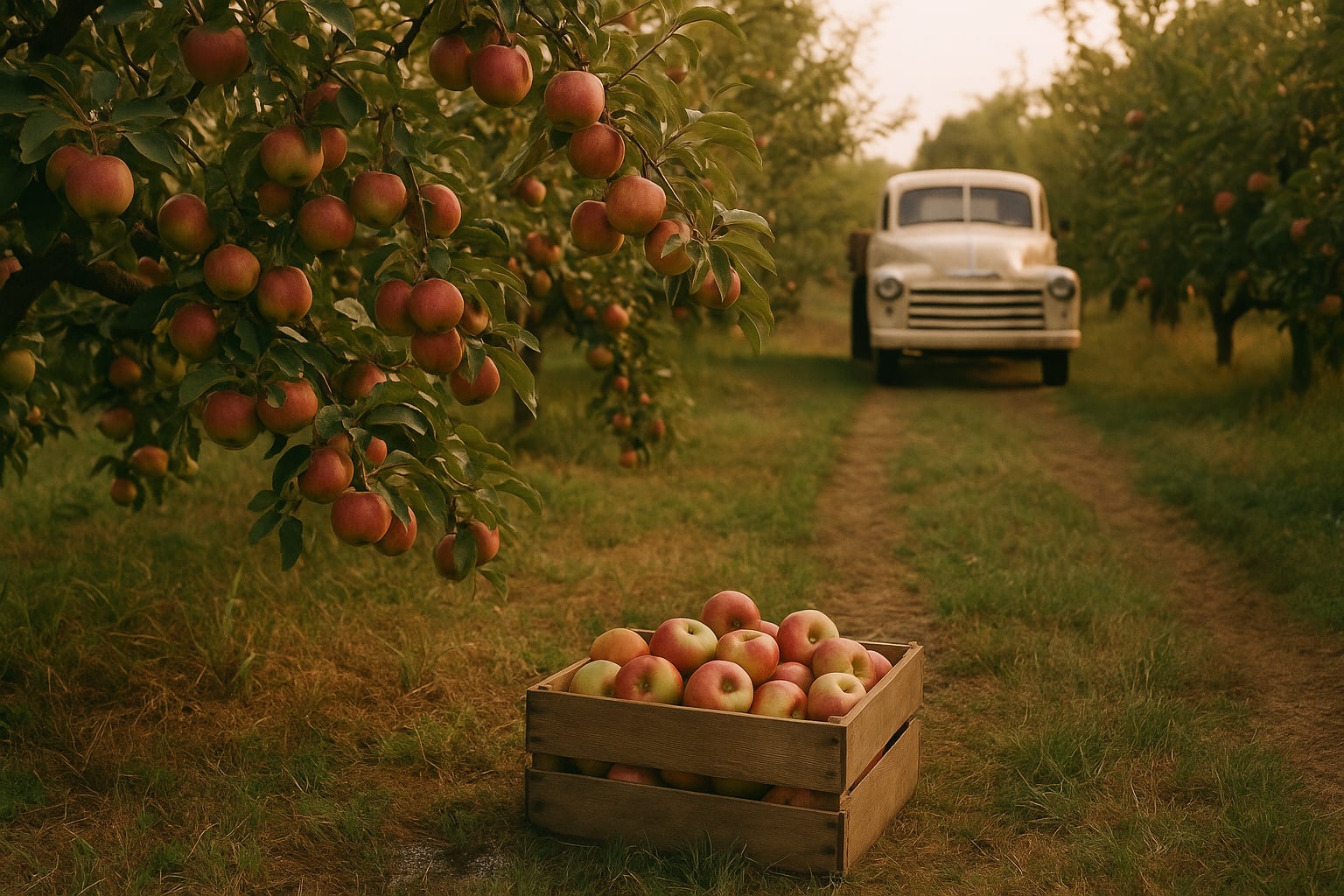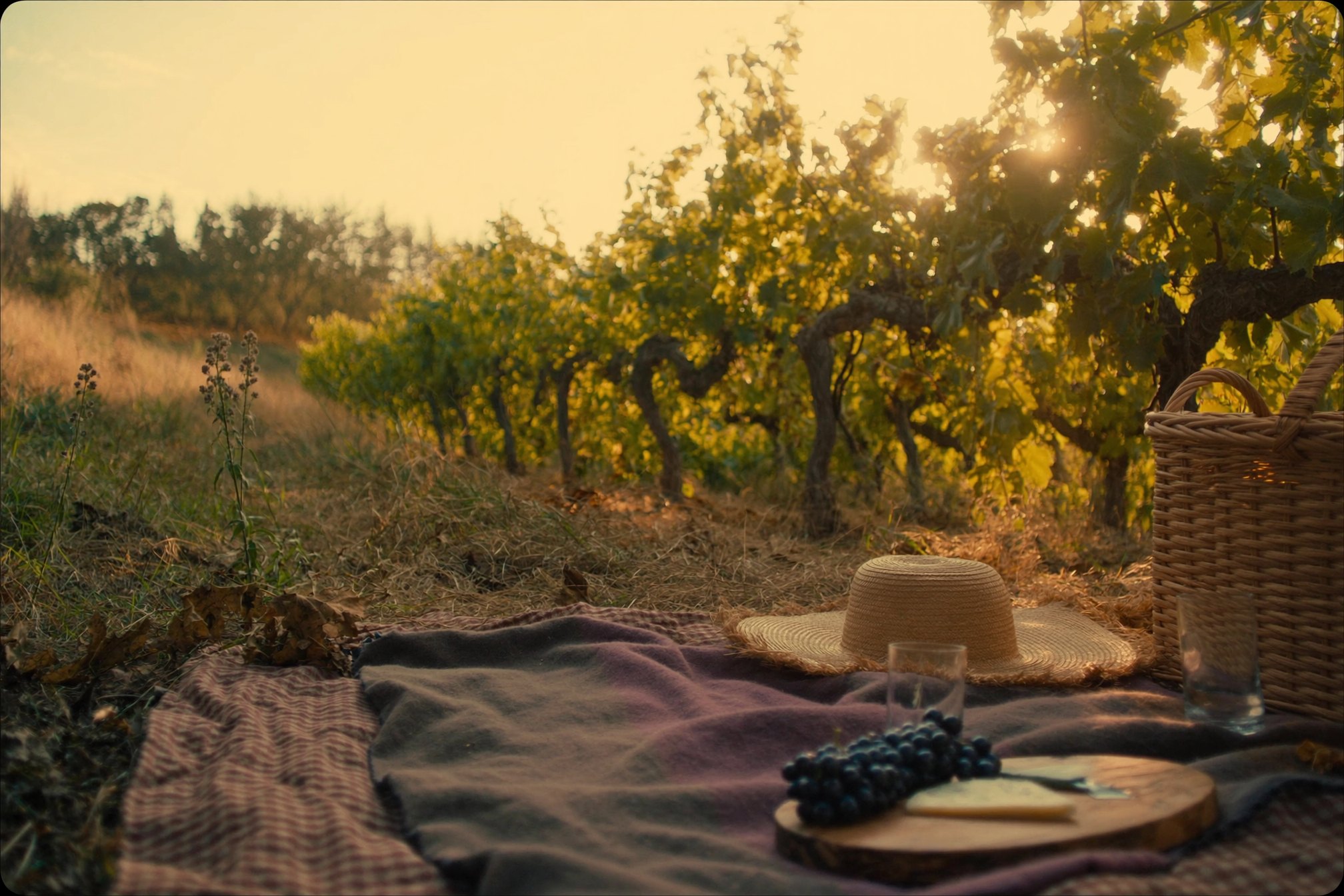
You've seen the account. Soft morning light. His hand on her coffee cup. The Healdsburg plaza in the background, golden hour, effortless. A caption that sounds like both of them but was written by one of them. A bio that says adventures together or building a life or just their two names with an ampersand.
It looks like closeness. It performs closeness. And sometimes — not always, but more often than people admit — it starts to replace closeness.
What a Couples Account Actually Is
A couples account is a shared social presence: one handle, both people, a merged identity broadcast to followers who may or may not know either of them individually. It started in the travel-blogger era. It metastasized during the pandemic. Now it's a recognizable relationship format, the same way "situationship" is a recognizable relationship format.
And like a situationship, it comes with rules nobody said out loud.
Who approves the photos? Who writes the captions? What's off-limits? What happens when one person wants to post something the other finds unflattering, or private, or simply not part of the brand? These negotiations happen constantly. Most couples doing this have never had the actual conversation.
The Third Presence
Here's what starts to happen: the account becomes a third entity in the relationship. It has preferences. It has an aesthetic. It needs to be fed. And both partners start making decisions — about where to go, what to wear, what to argue about in public — based on what it needs.
You're at a tasting room in Yountville. The light is perfect. But you're mid-fight, something low and unresolved sitting between you since the drive up. Do you take the photo anyway? Post it anyway? Smile into the camera and let the account have its moment while the actual afternoon goes cold?
Most people do.
We had a really great feed and a really bad year. I kept waiting for those two things to feel like a contradiction.
— Reader submission
What Gets Edited Out
The feed shows linen napkins, weekend markets, bare shoulders by a pool at Solage. What it doesn't show: the version of you who stayed in the hotel bathroom for twenty minutes because you needed to be alone. The dinner where neither of you talked. The moment when one of you reached for the other and got nothing back.
That's not a criticism of selective posting. Nobody owes the internet their rough patches.
The problem is when the editing starts happening inside the relationship, not just outside it. When you stop mentioning the hard stuff because it doesn't fit the narrative you've both agreed to perform. When the repair conversation — the real one, the uncomfortable one — gets delayed because you have content to shoot this weekend and it's easier to act fine.
Why It Feels Like Intimacy
There's a real pull to this. Doing something together — anything — activates a sense of partnership. Building an account together feels like building something. The comments saying you two are goals confirm it. The follower count growing confirms it.
Shared projects can be genuinely connective. The issue is when the project is a curated image of the relationship, because then you're collaborating on a version of yourselves rather than on the actual selves underneath it.
It's a subtle inversion. You're putting the most effort into the version of the relationship other people see, and coasting on the assumption that the private version is fine because the public version looks so good.
The Identity Erosion Nobody Talks About
Couples accounts also tend to absorb individual identity over time. Each person's separate presence — their voice, their specific humor, their solo experiences — quietly migrates into the merged account, or disappears entirely.
One partner usually drives the account. Posts in a voice that's vaguely both of them but really just one of them. The other partner becomes a subject. A cameo in their own relationship content.
Ask anyone who's ended a relationship where they ran a couples account: the question of what to do with it is genuinely destabilizing. Because by the end, it often had more followers than either individual account. More engagement. More of their shared history than either person's private camera roll.
The account outlived the relationship, aesthetically. That's a strange thing to reckon with.
What the Unposted Moments Are Trying to Tell You
Pay attention to what you instinctively don't post. Not because it's private — privacy is fine, privacy is healthy — but because it doesn't fit the account's version of you.
The Sunday morning where you're both on your phones in silence, not the comfortable kind. The trip to Indian Springs where the massage was great and the car ride home was tense and you can't quite name why. The night you wanted something and didn't ask for it and went to sleep still wanting it.
Those are the coordinates of your actual relationship. The account has no use for them. That gap — between what the account needs and what's real — is worth measuring.
This Isn't a Case Against Sharing
Some couples run shared accounts with real self-awareness, clear division of labor, and zero illusion that the feed is the relationship. They post the good stuff, they live the complicated stuff privately, and neither bleeds into the other.
That's a skill. It requires actually talking about what the account is for, who it serves, and what it's allowed to cost.
Most couples doing this haven't had that conversation. They started an account because it seemed fun, or lucrative, or like proof of something. The terms were never negotiated.
One Honest Test
If the account went dark tomorrow — no followers, no feed, no comments — what would you two actually do on a Saturday morning?
If that question makes you pause, it's worth sitting with. Not as a crisis. Just as information.
Because after eleven years, or after eleven months, the relationship you're actually in is the one that happens when nobody's watching. That's the one that either holds or doesn't. The account just documents the highlight reel while that quieter thing plays out in the background.
Make sure you know which one you're tending to.