At some point you started ordering the same kind of wine. Not because you talked about it. Because the other couple did it first, and it looked like something people who had their lives together did, and now it's just what you order.
That's the small version. The small version is fine. The larger version is that you also adopted their communication style, their weekend shape, their particular brand of mild public affection. The way they split the check. The way they talk about the future in terms of neighborhoods and square footage.
Nobody discussed any of it. It just landed.
The Template Is Always Running in the Background
Relationships don't form in a vacuum. They form at brunch tables and in comment sections and on the couch watching other people perform love on a screen. Every couple around you is a data point your brain is silently processing: is that what this is supposed to look like?
The problem isn't that you absorb templates. That's human. The problem is that absorption happens without consent — yours or your partner's — and over time the borrowed shape becomes load-bearing.
You stop asking whether it fits. You just start decorating the inside of it.
Where the Borrowed Version Usually Comes From
There are a few reliable sources. Your parents' marriage, even if you consciously rejected it. The couple you were closest to in your late twenties. The one relationship you watched from the outside that looked like stability and realized later was just mutual resignation performed with good furniture.
Instagram is its own category. Not because it's aspirational in an obvious way, but because it's granular. You don't copy the big stuff — the engagement photos, the push presents. You copy the micro: the way someone captions a Tuesday night in, the aesthetic of what a nice Saturday looks like, the emotional register people use to talk about their partners in public.
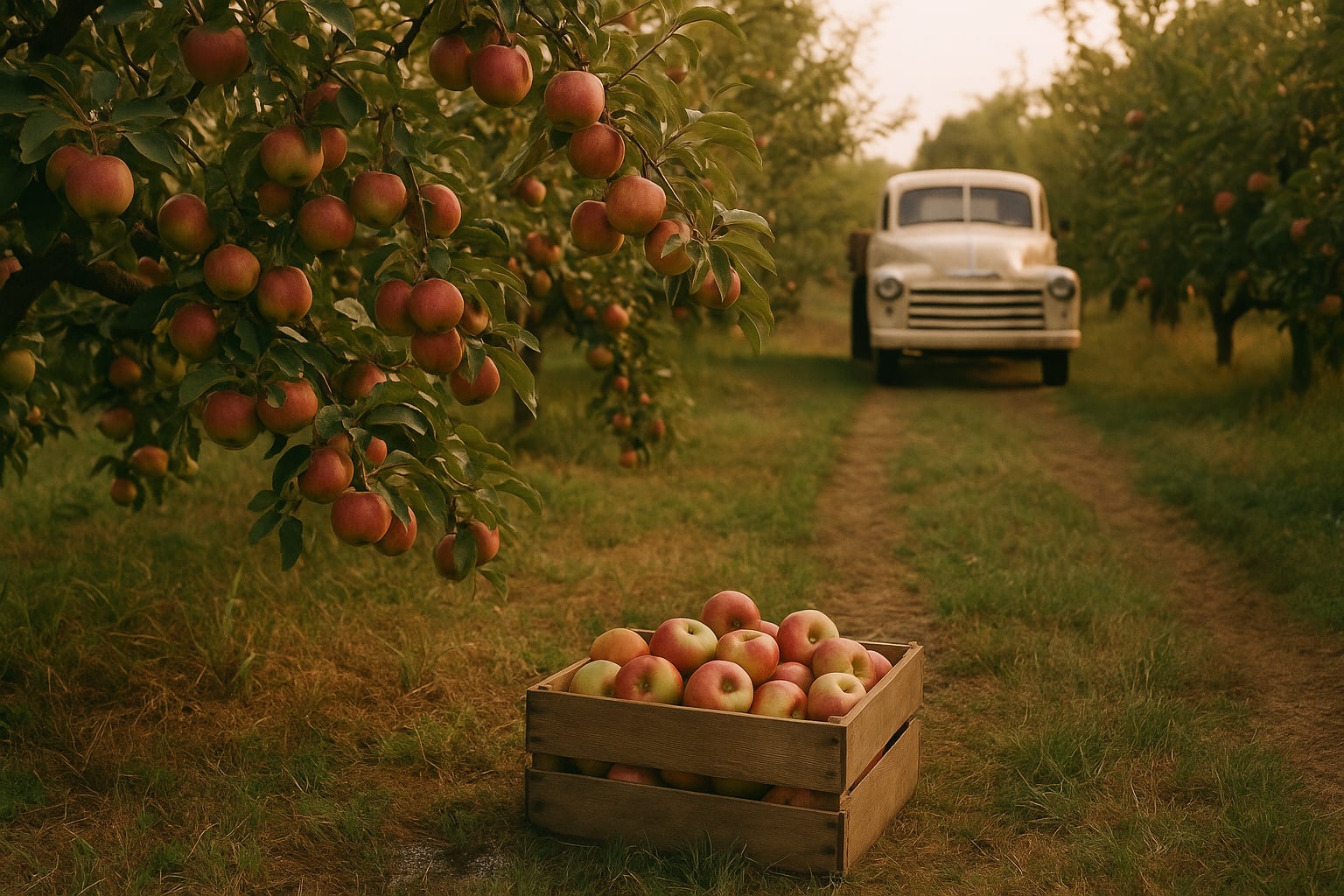
And then there's geography. Move anywhere near wine country — Healdsburg, Yountville, the slower stretches around Sonoma — and watch how quickly a certain kind of intentional, warm-toned, farmers-market-adjacent partnership becomes the ambient template. It's seductive. It's also someone else's life.
The Moment Someone Notices
It usually comes as a small thing said in a neutral tone. We never used to do it this way. Or: I don't actually like going to bed at ten. Or the quieter version, which is someone reaching for their partner in the dark and feeling like they're reaching for a character they both agreed to play.
That moment is disorienting because it doesn't look like a crisis. There's no fight, no obvious wound. It's more like catching your reflection at a weird angle and not quite recognizing the outfit.
We had this whole life that looked correct. It looked like exactly what you'd want. I just couldn't remember choosing any of it.
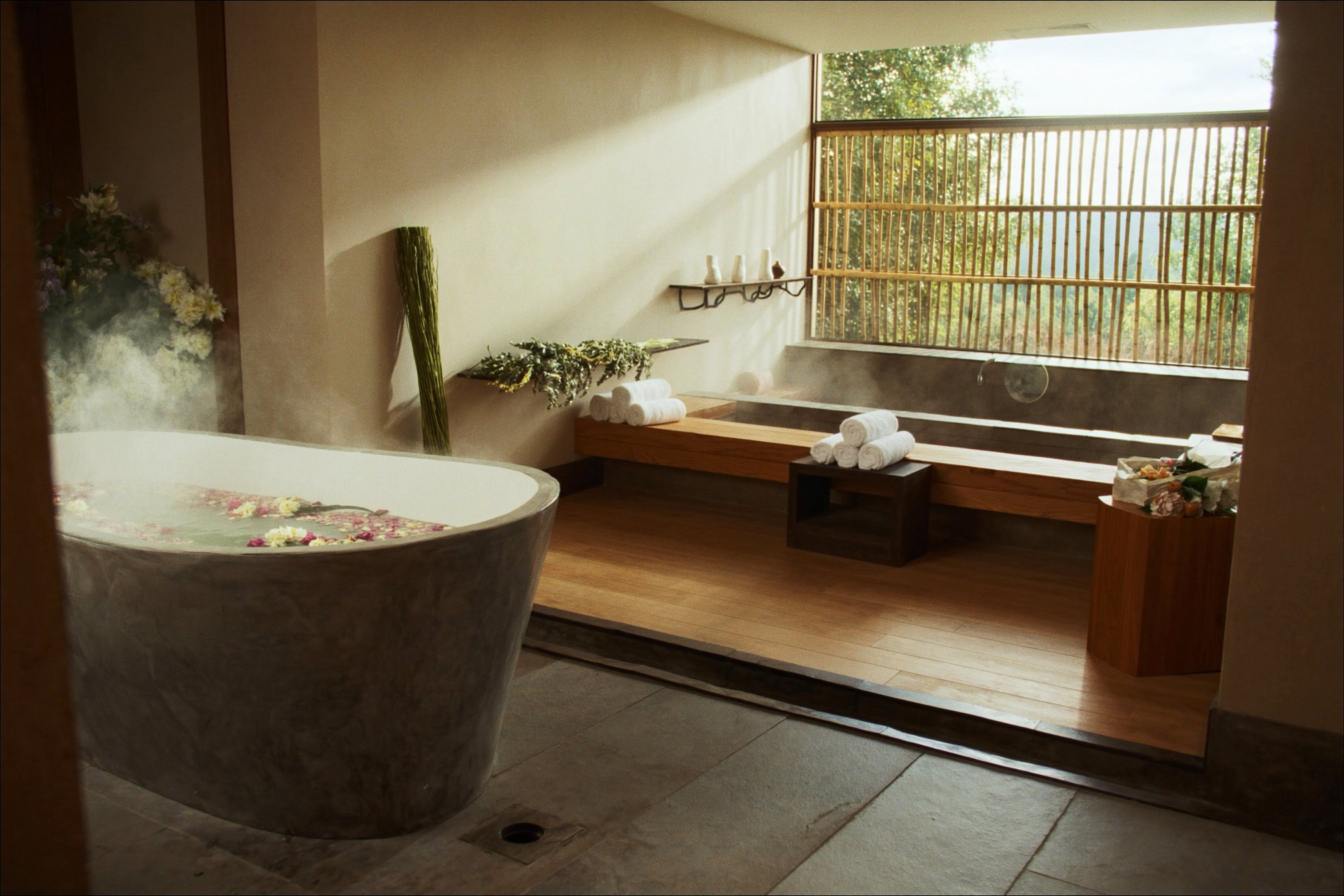
— overheard, Solage spa terrace, Calistoga
The person who notices first usually carries it alone for a while. Because how do you say it? I think we became someone else's couple doesn't land softly.
Why It's Not What You Think It Is
The instinct is to frame this as inauthenticity. As if you've been lying to each other. But that's not quite it.
Most couples who drift into a borrowed template aren't performing for other people. They're performing for each other. The template becomes a shared language: if we do these things, we're okay. Date nights mean we still have it. Weekend routines mean we're stable. The right kind of conflict, managed cleanly, means we're mature.
It's not deception. It's security theater. And there's nothing shameful about needing that. The question is what's underneath it when you peel it back.
The Micro-Behaviors That Give It Away
You use language about your relationship that sounds like a caption. You describe it a certain way to friends — tidy, warm, optimistic — and somewhere in the retelling you notice a small gap between that version and the one you drove home in.
You have rituals you both maintain but neither of you would say you love. The Sunday thing. The way you always eat dinner at the table now because you saw that it mattered to someone else. The specific weight of a wool blanket that belongs to the aesthetic of the couple you're trying to be, not the temperature of the room you're actually in.
You talk about your relationship in the third person a little too fluently. We're homebodies. We're not really a going-out couple. Statements that close off room you haven't finished exploring.
What You Can Actually Do With This
Not blow it up. That's almost never the right read.
Start with one honest inventory: which parts of your current relationship shape did you actually choose, together, out loud? Which parts just accumulated? You don't need to discard the accumulated ones. Some of them are probably good. But naming them is different from inheriting them.
Then: one small deliberate act that has nothing to do with anyone else's template. A night that doesn't look like date night is supposed to look. A conversation that doesn't resolve neatly. Skin, heat, the particular weight of someone's hand on your back at two in the morning when no one's watching and there's no version of this to perform.
The point isn't to reinvent from scratch. It's to put your hands on the wheel. Even briefly. Especially briefly.
The Couple That's Actually Yours
It probably doesn't look like the one in your head. It doesn't have the right lighting or the right cadence or the seamless way of handling conflict that you've watched other people do and quietly coveted.
It probably has rougher edges. More silence. More moments where one of you is harder to reach than the other. More desire that surfaces sideways, through irritability or distance or a strange, specific tenderness at the wrong moment.
That version is not a lesser version. It's the only version that belongs to you.