You've had the conversation a hundred times. In the shower, running through their likely responses. In the car, refining your opening line. At 2 a.m., lying next to them, almost saying it — then not.
The actual conversation has never happened. But you've been in it for months.
That gap — between the rehearsal and the real thing — isn't just procrastination. It's doing something specific to you, to them, and to whatever is sitting unspoken between you.
What the Rehearsal Actually Is
It feels like preparation. It isn't. Rehearsal is a way of having control over something that, by definition, requires you to give it up.
Real conversation is live. It goes sideways. The other person doesn't deliver their line. They get quiet when you expected defense, or they laugh when the thing isn't funny, or they say something that completely reframes everything you thought you knew.
Your script can't survive contact with them. Which is, on some level, exactly why you keep writing it instead of saying it.
The Talk Has a Shape You Probably Recognize
Maybe it's about desire. Something you want that you've never said plainly — not hinted at, not nudged toward, but actually said. You've read the room so many times you've convinced yourself the room has already answered.
Maybe it's about distance. Not the geographic kind. The kind where you're having dinner and everything is fine and you feel completely alone.
Maybe it's older than that. A resentment that calcified somewhere around month eight, disguised now as a general low-grade irritation with how they load the dishwasher.
Whatever the shape: you know it. You've known it for a while.
What Happens to You While You Wait
The unsaid thing doesn't stay neutral. It becomes weight. You start editing yourself in other conversations — pulling back slightly, keeping things lighter than they could be, because somewhere underneath you're still managing that thing.
You get a little less present. A little more careful. And they feel it, even if they couldn't name what they're feeling. Something is slightly off. The temperature dropped and neither of you said why.
This is how distance accumulates without incident. No fight. No rupture. Just a conversation that never happened — compounding quietly, like interest on a debt.
The thing you haven't said is already shaping how you act. It has been for a while.
— Modern Love Living
Why You Keep Revising Instead of Talking
There's a version of this that's about fear of rejection. Straightforward enough.
But there's another version that's subtler: you're afraid of being heard wrong. Of saying the true thing and having it land as something smaller, or more dramatic, or more breakable than it actually is.
So you keep adjusting the phrasing. Softening here. Strengthening there. Trying to make it foolproof. Trying to control, in advance, how it lands in someone else's body.
You can't. That's the part you already know and keep forgetting.
The Rehearsal Has a Cost on Their Side Too
They're navigating a version of you that is managing something. They don't know what. They just know you're slightly elsewhere sometimes — a half-second lag, a laugh that stops just short of full.
They may be filling in the blank themselves. And what people invent to explain someone else's distance is almost always worse than the truth.
They might think it's them. They might think it's the relationship. They might have already started building their own quiet case for why things are fine, actually, because opening that question feels too big.
What to Do Instead of Rehearsing
Not: have a perfectly structured conversation with a clear agenda and a resolution by 10 p.m. That's the script wearing a different costume.
Instead: say the partial version. The one that's true but incomplete. "There's something I've been sitting with and I don't totally know how to say it yet." That sentence is already the conversation. It has already changed the temperature in the room — in the right direction.
You do not need the full script. You need the first honest line.
A Real Scenario
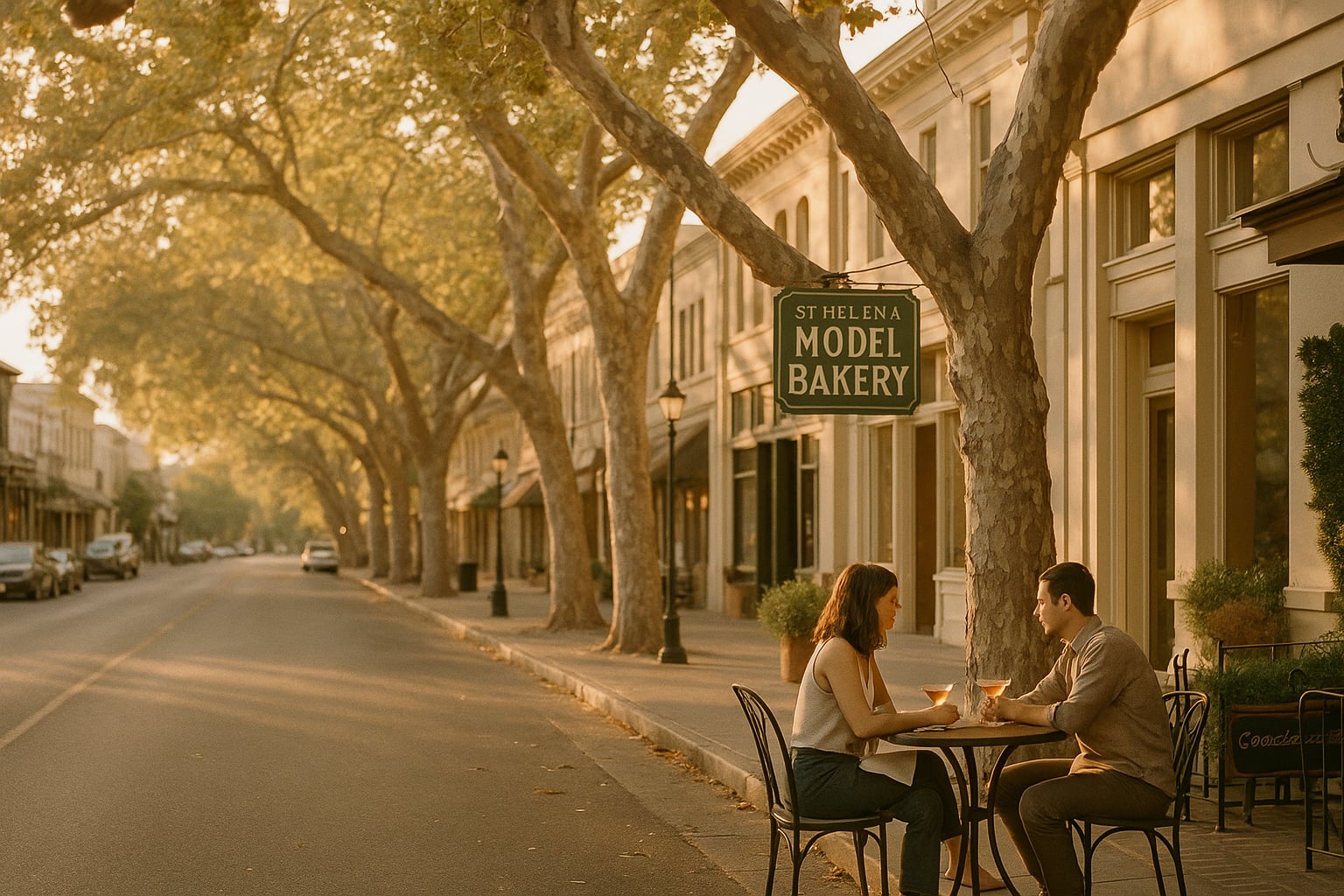
Two people, Saturday morning. Coffee. The particular quiet that can go either way. She's been holding something about desire for six weeks — what she wants, what's been missing, the specific shape of the gap. She's rehearsed it so many times the words feel stale.
She doesn't deliver the speech. She says: "Can I tell you something I haven't figured out how to say yet?"
He puts his phone down. Fully. That's all she needed to see.
What follows is messier than her script. Also more honest. Also better.
The Conversation Doesn't Have to Go Well to Be Worth Having
This is the part nobody says. We delay because we want the guarantee — say the right thing, get the right response, resolve the tension. But conversations between real people don't close that cleanly.
It might go awkward. There might be a silence that's uncomfortable. They might not have the words back yet and need a day to respond properly.
All of that is still better than six more weeks of managing the weight of it alone — editing yourself, sleeping next to the unspoken thing, wondering if they can feel it.
The goal isn't a perfect outcome. The goal is to stop being in a private conversation with someone who isn't in the room.
The shower version of them will always say exactly what you need to hear. The actual person is better than that — and harder than that. You already know which one you want to be talking to.