You rehearsed it in the car. Maybe in the shower the night before. You got the wording right, found the tone that didn't sound defensive, figured out exactly when to pause. You delivered it almost perfectly. And they looked at you like you'd handed them a form letter.
It didn't land. Not because you said the wrong thing. Because they could feel that you'd said it before — just not to them.
What an over-rehearsed apology actually signals
When you rehearse an apology at length, you're doing something understandable: managing your own anxiety. You don't want to say the wrong thing. You want to be heard. You want it to go well.
But what gets transmitted isn't care. It's control.
The more polished the delivery, the more it reads as a performance optimized for a specific outcome — usually forgiveness, usually fast. And the person sitting across from you, who is still somewhere in the middle of being hurt, picks that up immediately. Not consciously, maybe. But in the body. In the way they go a little still.
A scripted apology is written for the person you imagined would receive it. Not the one actually in front of you.
— MLL
The version you practiced was for the best-case version of this moment
In your rehearsal, they were ready to hear it. Soft, open, maybe a little tired but willing. The room was quiet. There was time.
Real life gave you: them at the kitchen counter with their jaw tight, already half-gone somewhere you can't see. Or worse, them being very polite and very far away.
Your script doesn't account for the actual temperature of the room. So you deliver it anyway, word for word, like running a program that no longer matches the operating system. And the gap between your practiced calm and their real pain lands as indifference, even when it isn't.
What your partner is actually listening for
They're not grading your word choice. They're checking for something harder to fake: whether you're actually in the room with them, or whether you're just executing a plan.
A small hesitation, a moment where you look like you're actually feeling something instead of recalling something — that registers more than the most carefully constructed sentence. The slight roughness of not having the next line ready. The pause that's real, not placed.
This is why a stumbled, imperfect apology often repairs more than a polished one. Not because messiness signals sincerity on its own, but because it signals that you're responding to them, not to your own internal script.
The other thing rehearsal does: it skips the sit
There's a version of over-preparing an apology that's really about not wanting to sit with what you did. If you can get to the apology cleanly, efficiently, you can skip the part where you just hold the fact of having hurt someone you care about.
That sit is uncomfortable. It's supposed to be.
When you skip it, you arrive at the apology before you've actually processed anything. You're delivering a conclusion you haven't earned yet. And the other person can feel that the weight is missing — that you're handing them words but not the thing underneath them.
What an unrehearsed apology actually looks like
Not chaotic. Not fumbling for effect. Just present.
It starts with looking at them first, before you start talking. Actually taking in how they are right now — not as information to adjust your script, but because they matter to you and they're hurt.
It says what happened in plain language. Not framed to minimize, not qualified to protect yourself. Just: I did this. It landed like that. I get it.
It doesn't rush to the resolution. An apology that ends with "so I hope we can move forward" six sentences in is an apology trying to close a tab. Let there be some air in it. Let them have somewhere to respond, even if what they say is hard to hear.
A small, real example
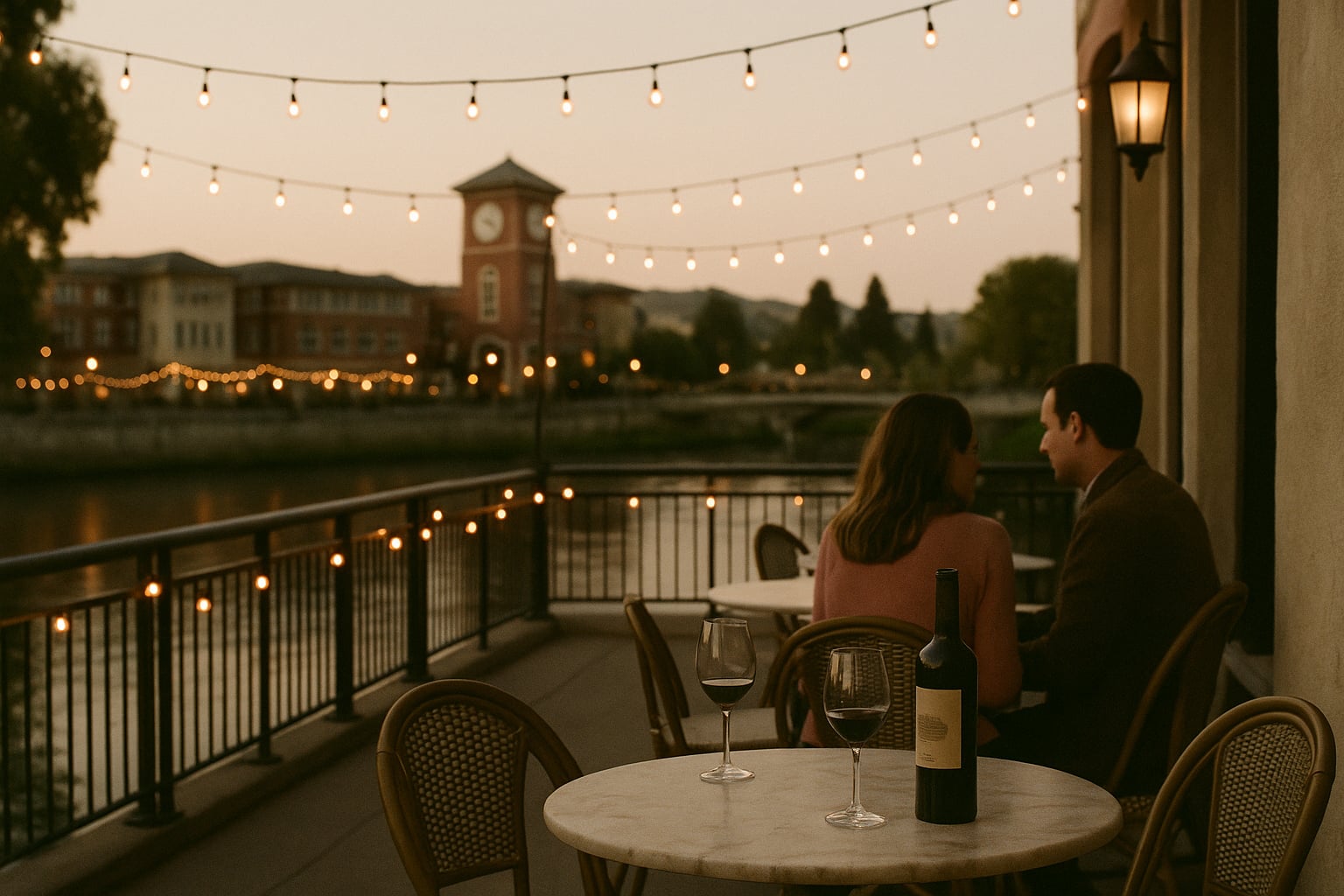
Picture two people in a hotel room in Healdsburg, the kind of heavy quiet that follows something that went sideways over dinner. One of them has been working on their apology since the walk back from the plaza. They have it ready.
They sit on the edge of the bed and deliver it. It's good. It's really good, actually. The other person nods. Says thank you. Doesn't move closer.
Later, the first one puts the script down. Just says: "I don't actually know how to fix this. I just know I don't want it to stay like this."
That's when the other person exhales. Moves across the bed. Not because the second sentence was better written. Because it was true, and uncertain, and it was asking something instead of presenting something.
The question worth sitting with before you apologize
Ask yourself: Am I ready to hear how they're actually doing, or am I ready to deliver what I've prepared?
If the answer is the second one, wait a little longer. Not to craft a better script. To let the weight of it settle in. To get genuinely curious about where they are instead of where you need this to go.
The repair conversation will happen. But the apology that opens it needs to be addressed to the actual person, in the actual moment, not to the smoothest possible version of this interaction.
That's the one they'll remember. The one that reached them instead of landing near them.