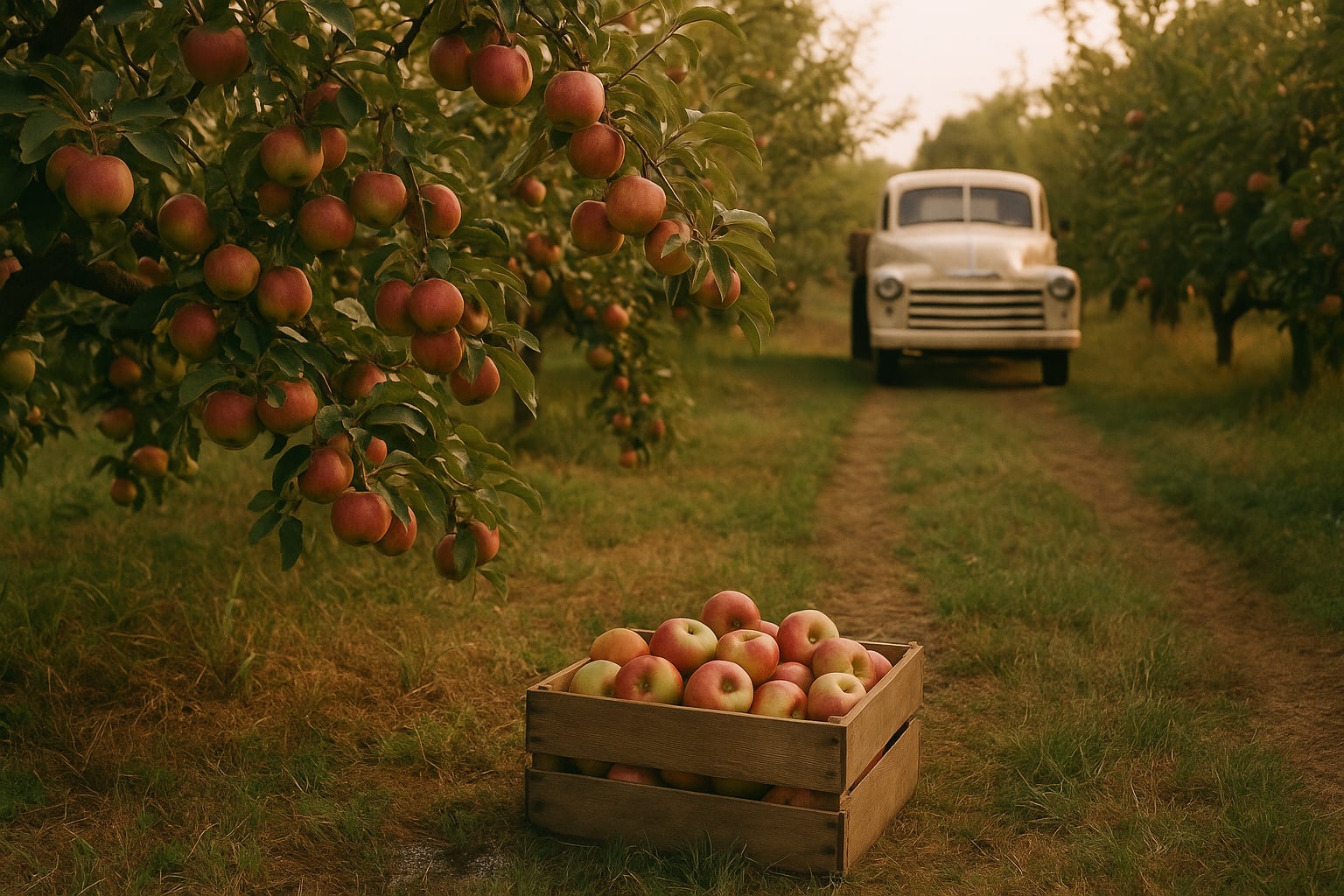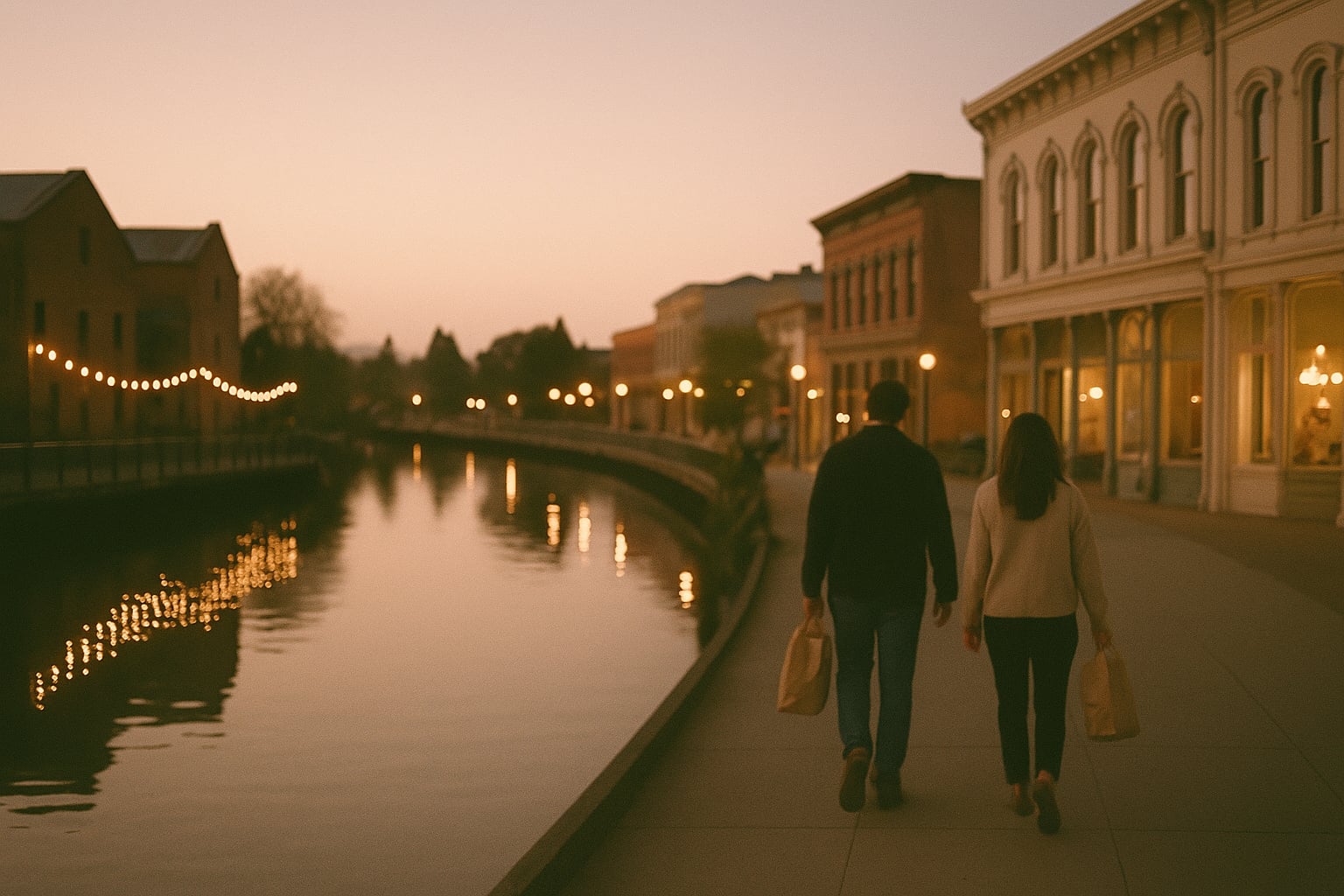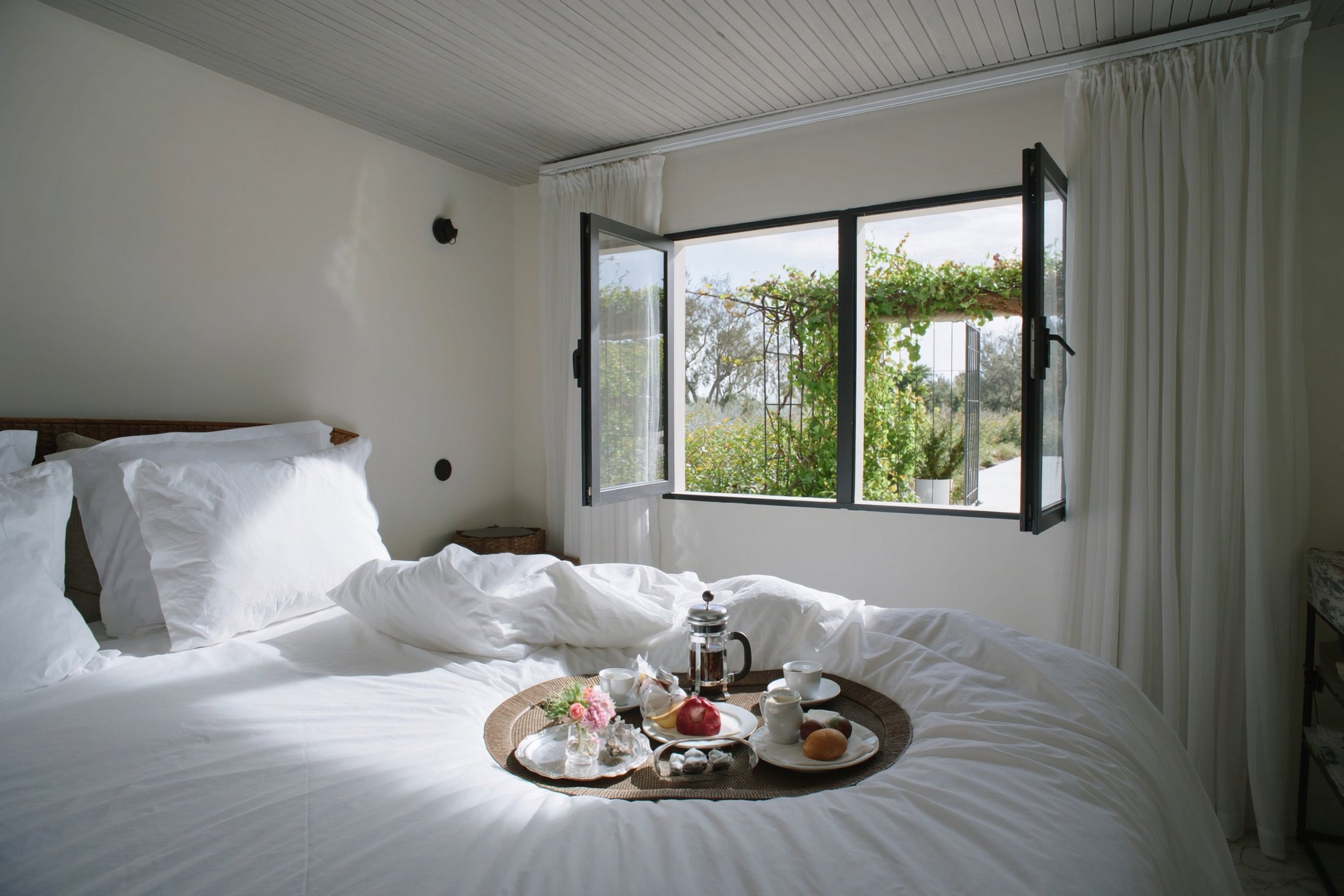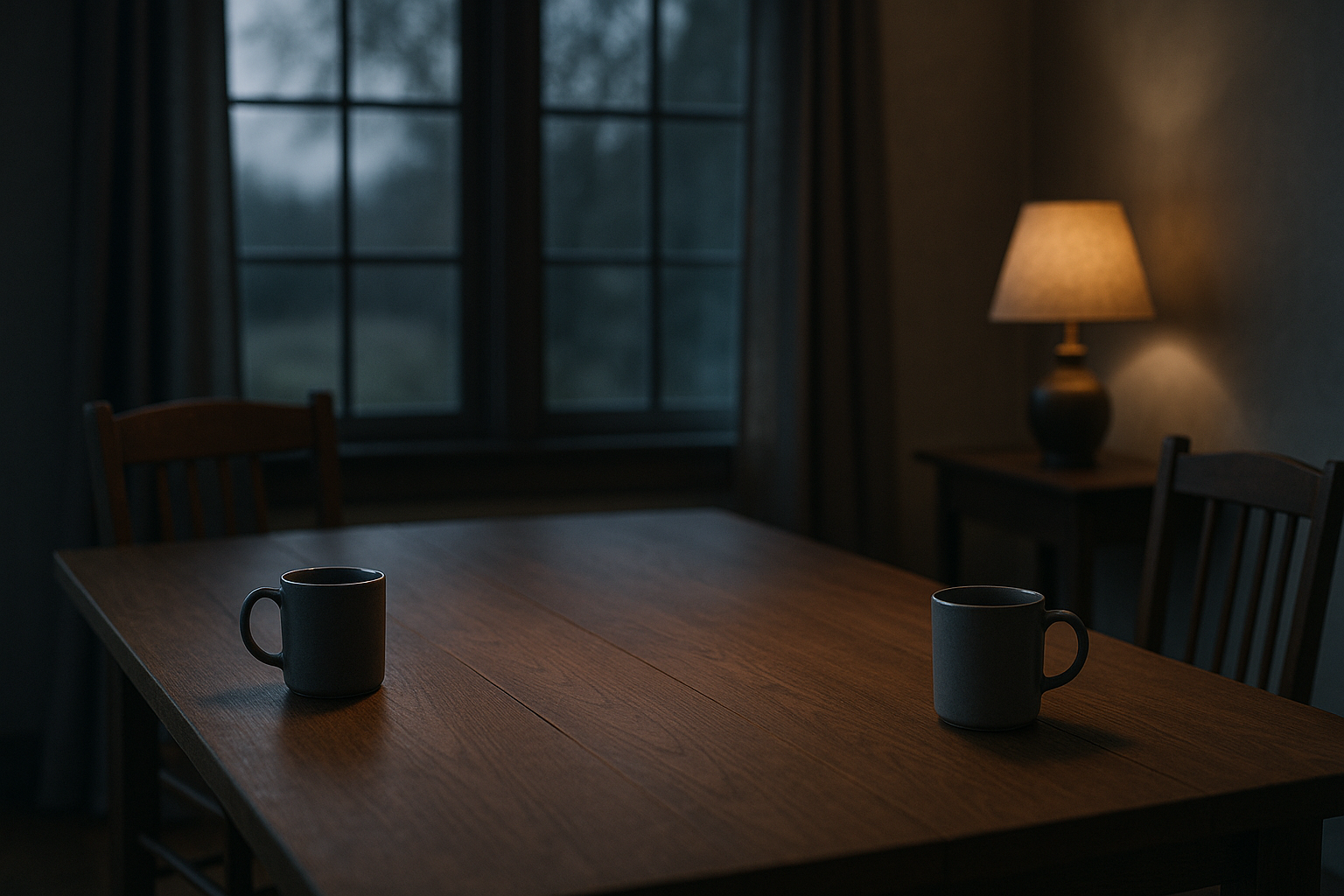
Most couples absorb their relationship structure from somewhere. Parents' anniversary dinners. The proposal scene from every movie. The bridal shower, the rehearsal dinner, the honeymoon suite with the rose petals already on the bed. The template exists. You just step into it.
Queer couples frequently don't have that. Or they have a version of it that doesn't quite fit — a ceremony that was borrowed, slightly adjusted, a little self-conscious about its own edges.
So instead, they build. Quietly. Often without even calling it building.
The Invisible Work of Making It Up
There's real labor in inventing a relationship from scratch. Not dramatic, not visible. It's the labor of two people realizing, around month four, that they've started doing the same thing every Sunday morning and deciding — out loud or not — to keep doing it.
That's a ritual. Nobody gifted it to you. You made it.
For a lot of queer couples, this is just how it works. You didn't grow up watching two people like you model how commitment looks at year one, year seven, year twenty. The milestones the culture offers — engagement, registry, vows, anniversary trips — either don't apply, or apply awkwardly, or apply fine but feel like wearing something that was tailored for someone else's body.
So you invent. And the invention is not a consolation prize. It's often richer for it.
What Invented Rituals Actually Look Like
Not ceremonies. Not even intentional, most of the time.
Two women who mark the anniversary of their first road trip through Sonoma — not their first date, not their first kiss, but the specific weekend they drove the backroads with no destination and decided something had shifted. That weekend is the real anniversary. The calendar one is just paperwork.
A non-binary couple who created a check-in phrase — not a formal sit-down, just three words one of them says when something feels off. The other knows what it means. It took about a year to develop. Neither of them could tell you exactly when it started.
Two men who cook a specific meal on the first cold night of the year. No explanation for why that meal, that night. It just calcified into meaning.
Why Queer Couples Are Actually Good at This
Here's what doesn't get said enough: queer couples are often better at this than couples who inherited a script.
When you have no template, you're forced to ask what you actually want. Not what a relationship is supposed to look like. What does this relationship need? What marks time for us? What makes us feel real to each other?
That's not a small question. Most couples never ask it directly. They follow the groove and call it love.
Queer couples who built their own structures tend to know exactly why their traditions exist. They remember the conversation, or at least the feeling that preceded it. The ritual is legible to them in a way inherited rituals rarely are to the people performing them.
We don't celebrate Valentine's Day. We celebrate the day we decided to stop being careful around each other. That was the real beginning.
— shared in an MLL reader letter
Creating Language When the Language Doesn't Exist
Milestones are one thing. Language is another layer entirely.
"Partner" doesn't always feel like enough. "Spouse" sounds borrowed. "Boyfriend" is technically accurate but undersells eleven years. Some couples make up words. Some adopt existing language ironically, then unironically. Some just pick one and own it with such confidence that it stops mattering that it never fit perfectly.
The private language couples develop — nicknames, shorthand, the specific word they use when things are tense — is one of the quieter forms of intimacy. Queer couples build an extra layer of this because the public language often fails them. They're already used to translating.
So they get good at it. The relationship develops its own dialect.
The Milestones Worth Celebrating (That Nobody Told You About)
There's no Hallmark card for the first time you introduced your partner to your chosen family and it actually went well. No registry for surviving a hard year and coming out softer. No toast at the rehearsal dinner for the night you both said the difficult thing and nothing broke.
These are real milestones. They just require someone to name them.
Some queer couples keep a list — informal, on their phones or in a notebook — of the moments that mattered. Not a diary. Just: this happened, we remember it. A tasting room in Healdsburg where they had a conversation that changed something. A hotel room after a hard family visit where they ordered room service and didn't say much and that was exactly right.
Marking those moments is the ritual. The actual celebration can be quiet. It doesn't need an audience.
When One Partner Comes From a Template and One Doesn't
This is worth naming. Some queer couples have mismatched relationships to tradition. One person grew up in a family with strong rituals — holiday structure, formal anniversaries, specific recipes tied to specific occasions. The other grew up with none of that, or spent years actively avoiding the template because it was never built for them.
That gap is real. It can show up as one person wanting more ceremony and one person flinching at it. Neither position is wrong. The work is figuring out which parts of the inherited structure feel good, which parts need rewriting, and what you want to add that exists nowhere yet.
That negotiation is its own kind of intimacy.
How to Actually Start Building
You don't sit down and design rituals. That's the wrong approach. You notice what you're already doing.
What do you do every time one of you comes home from a hard trip? What's the first thing that happens after a fight resolves? What do you reach for on the first warm Saturday in April? If you've been together more than a year, you probably already have three or four micro-rituals operating quietly in the background.
Name them. Out loud. Even just once. We always do this, huh. That's enough. The naming turns a pattern into a ritual.
The Part That Doesn't Get Romanticized Enough
None of this is seamless. Invented rituals sometimes die. You do a thing twice, then life interrupts, and it's gone. That's okay. Not every attempt solidifies.
Some rituals outlive the relationship that made them, and you carry them into the next one, slightly modified. Some only work in the specific context of one apartment, one phase, one version of who you both were. They were real. They mattered. They expired.
And some become load-bearing. The thing you'd grieve if you lost it. The thing that, eleven years in on a Saturday morning, still holds the original feeling.
That's not something you inherited. You built it. Without a blueprint, without applause, without anyone handing you the materials.
That's worth knowing about yourself.