Plenty of long-term couples have one partner who travels — every week, every other week, ten days a month. Everyone writes about full-on long-distance, almost nobody writes about the version most adults actually live: a Wednesday in Chicago, a Friday back home, and a bed that's been half-empty for three nights. The maintenance on that version of a relationship is different, and most couples are doing it badly on autopilot.
The good news: part-time distance, handled well, can actually sharpen long-term desire rather than erode it. The couples who get this right use the travel as built-in separateness — the thing Esther Perel has been saying desire needs — rather than as a problem to be tolerated. The reunion on Friday night stops being a negotiation and starts being something both of you are actually anticipating by Thursday afternoon.
Stop trying to simulate presence — use the distance on purpose
The first mistake most couples make is trying to be "together" over FaceTime every night at the same time. It reads as loving and quietly erodes the edge. You're not together. You're in different cities. Pretending otherwise dulls the specificity of the week and makes the return less charged than it should be. Better: one honest check-in a day, a five-minute call with the camera off, voice only. Hearing each other is more intimate than watching each other tired under hotel lighting.
Use the separation for its actual gift — the ability to see each other as a distinct person again. Come back from the trip with one story they didn't hear live. One thing you noticed about a city, a meal, a person on a flight. You're not supposed to already know everything about the trip. Leave some of it for the return.
A part-time distance relationship done well doesn't minimize the distance. It uses it — and reunion stops being obligatory and becomes something actually wanted.
— Modern Love Living Editorial
The specific text, not the generic one
Between check-ins, send the specific text, not the generic one. "I love you" at 2 pm from a hotel is fine. "I'm wearing the navy shirt you said looked good, the one with the soft collar, boarding in twenty" is better. Specificity travels further than affection. It reminds both of you of a real body and a real day, not a postcard sentiment. Photographs of your own coffee, your own hotel window, your own book open on the bed. Not the hotel lobby. The specific things.
Sexual texts, if your relationship includes them, follow the same rule. Specific beats suggestive. Not "I miss you" but "I'm thinking about the Sunday when we didn't get out of bed until noon." Memory is more erotic than prospect, especially over a distance. Use what you actually have.

The solo practice on the road
Solo pleasure, on the road, with your partner's knowledge, is a wildly under-used tool in long-distance intimacy. Not as a replacement — as a practice that keeps both of you physically and mentally in your own sexual life while you're apart. The couples who handle this most gracefully treat it as normal maintenance. No secrecy, no confession — just the version of the relationship where both of you stay awake in your own bodies while the week is going on.
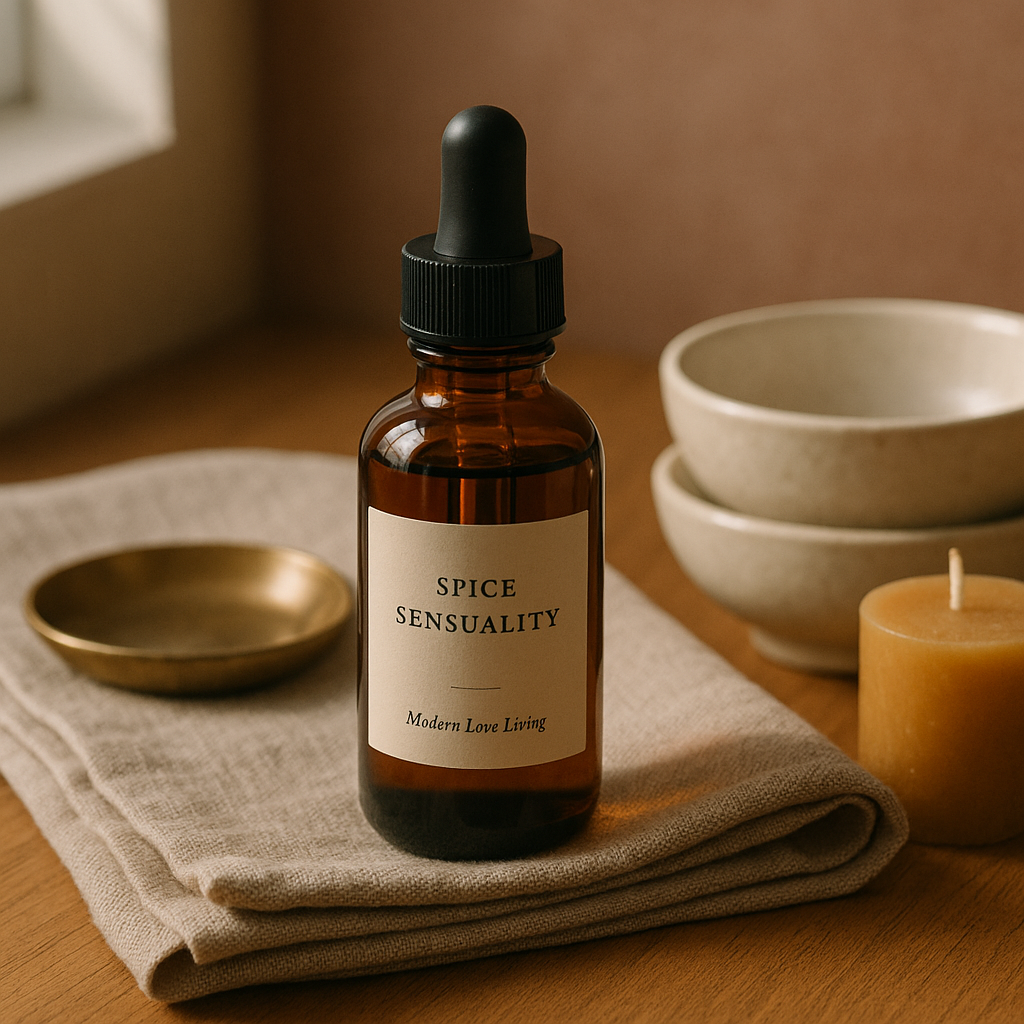
A small, quiet, travel-appropriate toy in the dopp kit is the honest version of this. Nothing loud, nothing complicated to pack. For partners who travel, the Spice Sensuality travel-discretion edit is genuinely useful — rechargeable, quiet, packs flat. Kept as part of the regular overnight kit, not hidden. That small piece of honesty between partners is itself a form of intimacy that most couples underestimate.
The reunion — protect the first two hours
The biggest wasted opportunity in part-time distance is the reunion itself. Partner gets home at 7 pm on a Friday, and by 9 they're folding laundry together. That's the failure mode. The reunion needs a shape. Dinner already on the table or already reserved. Work conversations postponed to Saturday. Logistics about the kids/dog/plumber handled before the door opens, not after. The first two hours are not for catching up on chores. They're for re-establishing the physical relationship that the week put on hold.
The bedroom for a reunion Friday should be in a pre-set state — candle ready to light, bedside oil in reach, lube in position, one lamp on a low dimmer. Nothing to negotiate once the bag is down. A well-built nightstand does the work of a lot of conversation. The couples who protect their reunion rooms end up with the best reunion nights of anyone we know.
The intimate layer — the packing list that keeps both bedrooms working
The traveler's kit, packed once and left permanently in the suitcase: a small amber bottle of body oil, a quiet travel-appropriate solo toy, a linen or silk sleep piece that actually registers on skin, a photograph or small object that anchors home. The home kit stays set up regardless — candle, oil, lube, clean sheets by Thursday night. Both bedrooms stay in working order. Neither of you arrives at a moment and has to go fetch something.
Our editors split the kit between Spice Sensuality's travel-discretion picks for the road and the couples' nightstand edit for home. The packing is solved once. The rest of the year, the only thing you're managing is the emotional work of the relationship — which is plenty.
Part-time distance relationships aren't lesser versions of same-roof ones. They're their own shape, with their own advantages if you'll use them. The couples who still want each other through a decade of travel schedules aren't the ones who minimize the distance. They're the ones who've built a rhythm honest enough to include it, and a Friday-night room quiet enough to end the week in properly.