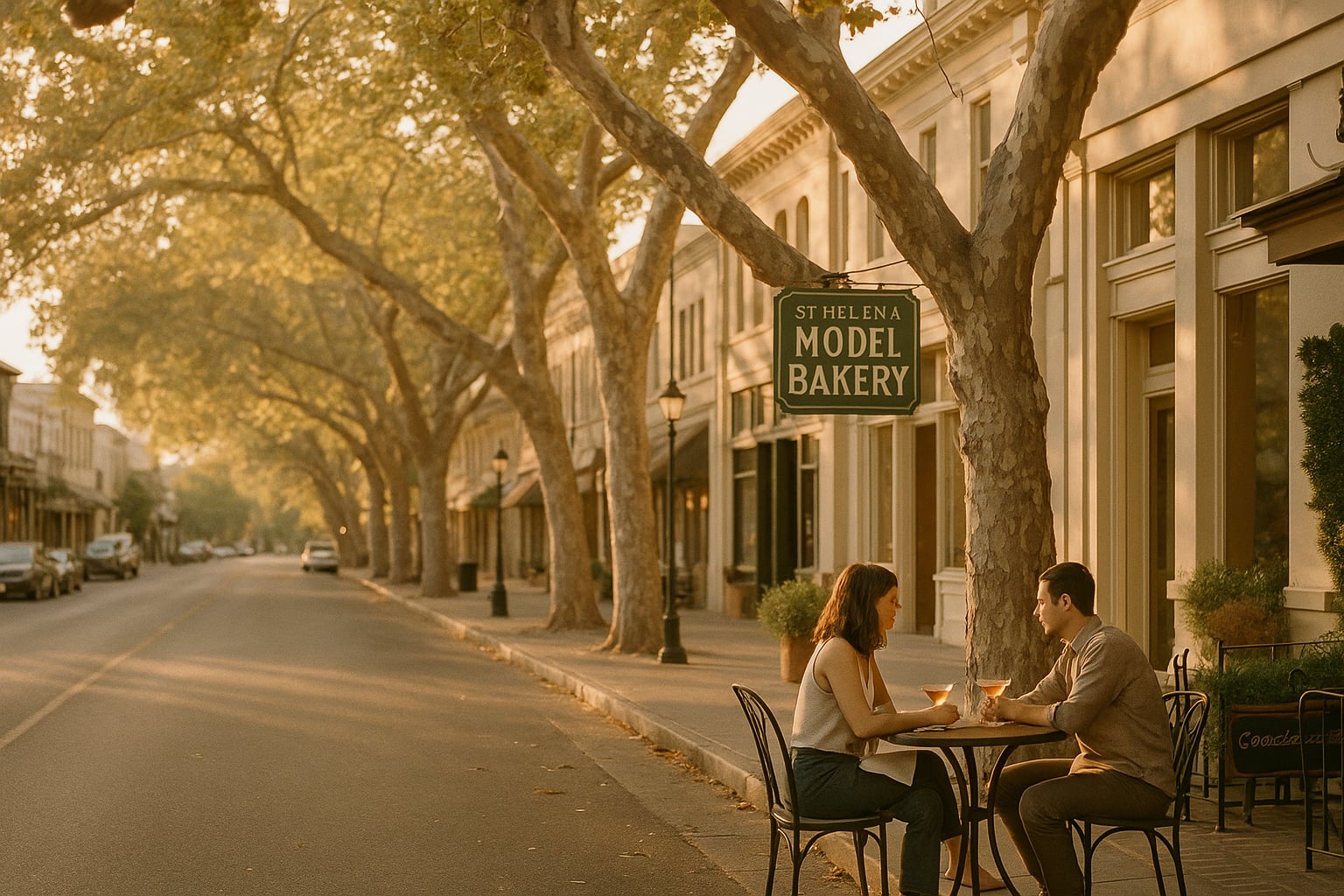
She's been going to Pride since she was twenty-two. Her current partner came out to themselves — not even to another person yet, just to themselves — at thirty-seven, on a Tuesday, in a Target parking lot. They've been together four years. The gap between those two biographies is not a problem to solve. It's just the shape of their relationship.
This is more common than anyone talks about. Two people in the same relationship, at wildly different places in their queerness. One person has language, history, a community, maybe a pride flag magnet on the fridge from 2009. The other is still deciding what word, if any, fits.
And they love each other. That part is not in question. The question is how you hold that asymmetry without one person feeling left behind and the other feeling constantly waited on.
The Gap Has a Name, Even If You Don't Use It
Call it identity lag. One partner has done the internal work — the grief, the relief, the furious re-reading of their own past, the slow building of a self that finally makes sense. The other is somewhere in the middle of that, or at the beginning of it, or circling the edge of it at night when they can't sleep.
It's not that one person is more queer. It's that one person has been living inside that knowledge longer. That's an experiential gap, not a moral one.
The person further along often doesn't realize how much they're asking when they want to go to a queer bar, or introduce their partner to their community, or just say we out loud in a room full of people who will understand exactly what that means. To them, it's ordinary. To their partner, it might still feel like standing at the edge of something with no railing.
What It Actually Looks Like in the Day-to-Day
It looks like one person tensing in a restaurant when someone they know walks in. Not because they're ashamed of their partner — they're not — but because they haven't told their sister yet, and their sister lives across the street from that person, and the whole architecture of disclosure still feels like a thing they're building by hand.
It looks like the other person noticing the tense. Not saying anything. Reaching under the table anyway.
It looks like one person wanting to march in the Healdsburg Pride parade and the other agreeing to come watch — and that being genuinely okay, and also carrying a small ache at the same time. Both things, coexisting.
It looks like one person having friends who've known about this part of them for a decade, and the other person's friends not knowing at all. Two social worlds that don't quite touch yet.
The Faster Partner's Particular Loneliness
Here's what doesn't get said enough: being the one who's further along is its own kind of hard.
You've done this work. You know who you are. And now you're in a relationship where a piece of that identity is — not hidden exactly, but not fully visible either. You go to your queer friend group and you have to explain your partner's situation every time, carefully, with enough care that you don't out them before they're ready. You field questions you can't answer. You wait.
The waiting is an act of love. It's also genuinely exhausting. Both of those things are true, and you're allowed to say so — not to your partner as a demand, but to yourself, or to the friend who asks how you're doing.
I didn't want to make their coming out about my timeline. But I also had to be honest that I had a timeline. Holding that without weaponizing it was the whole project.
— reader, submitted anonymously
The Slower Partner's Particular Pressure
If you're the one still finding your way in: you are not failing your relationship by not being further along.
Identity doesn't move on a schedule. It doesn't care that your partner has been patient. It doesn't care that Pride is in June or that your partner's friends are lovely and would absolutely welcome you. It moves when it moves, and trying to rush it for someone else's comfort — even someone you love — tends to produce something that looks like arrival but isn't.
What you can do is stay in conversation about where you are. Not performing progress you don't feel, but not going silent either. The silence is what creates distance. A simple I'm still in the middle of this, and I know that affects you keeps the thread between you alive.
When It Gets Harder Before It Gets Easier
There's usually a point where the lag starts to feel like friction. The further-along partner starts feeling like they're living a slightly double life. The still-emerging partner starts feeling like a project, or like they're disappointing someone, or like the relationship is quietly asking them to move faster than they can.
This is the moment couples either talk about it or let it calcify. Not a dramatic conversation. Usually a quiet one — in bed, lights off, the kind of honesty that's easier in the dark. I feel like I'm waiting. I feel like I'm being waited on. Both said without blame. Both heard without defensiveness.
That conversation is the actual intimacy. Not arriving at the same place. Getting in the room where the truth lives, together.
What Love Being Large Enough Actually Means
It means the person who's further along gets to have their community, their visibility, their whole queer self — not just in private, but in their actual life — without making that contingent on their partner keeping pace.
It means the person still emerging gets to take the time they need, without being made to feel like a liability.
It means the relationship has room for two different relationships with queerness to exist inside it simultaneously. That requires almost no grand gestures. It requires small, repeated acts of not making your partner's speed mean something about you.
There's a version of this that resolves into two people who are eventually in the same place, going to the same places, introducing each other without any internal negotiation. Some couples get there.
And there's a version where the gap never fully closes, and the love is real anyway — held in a shape that took some getting used to, built around two different timelines that never perfectly overlapped, and was still, in the end, enough.
That Tuesday in the Target parking lot. The bar she's been going to since 2009. The table they both sit at now, together. The thread still connecting them across the gap.
It's not a perfect shape. It's just theirs.