You already know it's not as simple as someone touching your shoulder. If it were, the shoulder would work every time. It doesn't. Sometimes the same shoulder, the same person, the same move that worked last Tuesday does absolutely nothing on a Thursday. Not because you're broken. Because arousal isn't a button. It's a circuit — and circuits require conditions.
There's a popular model that divides sexual response into accelerators and brakes. It's useful. It's also a little too clean. It still implies you belong to a type: high-brake, low-brake, sensitive accelerator. But you're not a type. You're a person with a specific nervous system, a specific history, a specific Wednesday.
The Map Isn't Generic — Yours Is
Think about the last time desire showed up without you chasing it. Really landed. Where were you? What had the hour before looked like? What was in the air — literally, the temperature, the light, whether dinner was already handled or still a looming obligation?
That constellation of details is not incidental. It's data. Your arousal isn't responding to the touch or the text or the look in isolation. It's responding to the entire ambient state you were already in when those things arrived.
What the Circuit Actually Includes
Most people, when they try to identify what turns them on, list acts or aesthetics. Bodies, scenarios, textures. That's the surface layer. Underneath it, the circuit has three less-obvious components.
1. Ambient Safety (Not the Therapy Version)
Not safety as in emotional vulnerability. Safety as in: your nervous system isn't currently scanning for threat. That threat could be the argument that didn't fully resolve. The bill you forgot to pay. The sound of your phone vibrating on the nightstand. The feeling that you left something undone and your brain won't stop pulling the thread.
A body in low-grade vigilance mode does not transition easily into desire. It's not a character flaw. It's physiology. The part of your brain running threat-detection and the part involved in pleasure are not efficient multitaskers.
2. Embodiment — Whether You're Actually In Your Body
There's a version of you that exists mostly from the neck up. Scrolling, planning, replaying conversations, running lists. That version is not available for arousal. Desire requires some relationship with physical sensation — skin temperature, the weight of a hand, the specific warmth of another person's skin against yours.
Some people need movement first. A walk, a swim, twenty minutes where the body was doing something and the mind followed. Some people need sensory anchoring: a hot shower, a long exhale, the smell of something specific. Some people — and this is underreported — need to get genuinely cold and then warm again. The contrast does something.
You probably already know your version of this. You've just never framed it as part of arousal.
3. The Specific Emotional Register You Need
This is the one people get wrong most often. They assume desire requires warmth, closeness, a feeling of love. Sometimes it does. But sometimes what actually opens the circuit is a completely different register.
Some people need to feel slightly irreverent first. A little careless, a little removed from their responsible adult self. Some need tension that hasn't been resolved. Some need to have laughed recently. Some need solitude immediately before connection — not distance, just fifteen minutes where no one wanted anything from them.
I used to think I needed to feel close to want sex. Turns out I need to feel slightly feral — like I've just gotten away with something.
— unnamed, composite
Neither register is more evolved than the other. The map just needs to be honest.
How to Read Your Own Wiring
Not a quiz. Not a worksheet. A question you actually sit with: What were the conditions the last three times desire showed up unforced?
Not the times you went along with something fine. The times something moved through you and you actually wanted it. Look for the pattern that isn't the other person. The part that was about where you were, what the hour looked like, what you'd just done or not done.
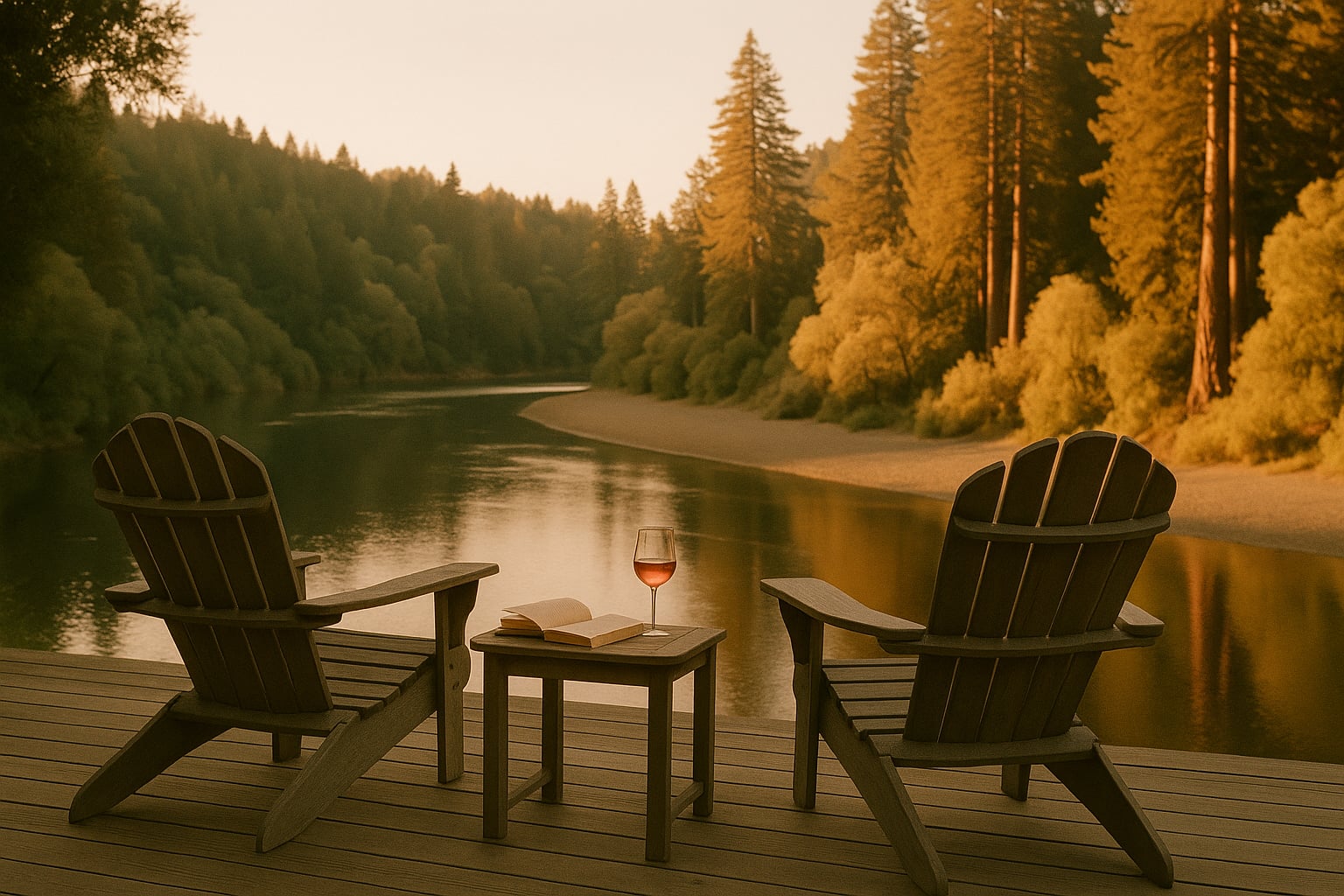
A specific example: someone realizes desire consistently shows up on evenings they've been outside for more than an hour. Not after exercise. After being in actual air, actual light, actual temperature change. A walk in Healdsburg. A slow circuit of the Sonoma plaza. An afternoon at Indian Springs where the mineral smell of the pool is still faintly on their skin. Their partner has been trying different approaches for months. The answer was ambient, not interpersonal.
What This Means in a Relationship
If you're partnered, this conversation is probably more useful than most of the conversations you've had about desire. Not what do you want me to do differently — which puts all the voltage on behavior. But: what does the hour before need to look like for you?
That's a different question. It has answers that aren't about rejection or technique. It's also how you stop running the same failed experiments on each other and start building conditions that actually work.
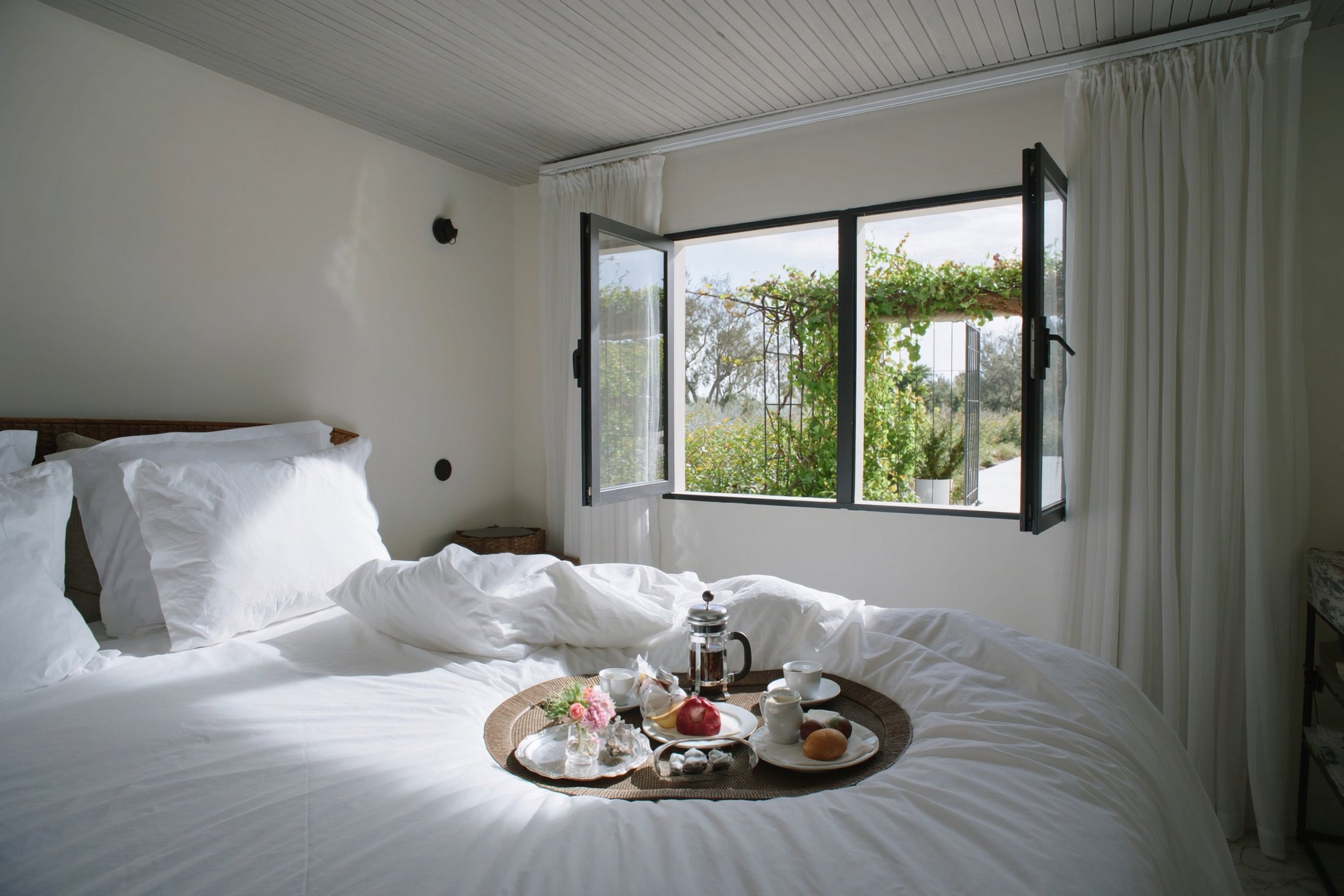
This is also why the hotel weekend works when the Tuesday doesn't. It's not the thread count. It's that someone handled dinner, the phone is face-down on purpose, the room smells like nothing associated with responsibility, and for once both of you walked into the evening without an obligation waiting on the other side of it. The circuit completed. Not because you tried harder. Because the conditions were finally present.
Solo, This Still Applies
If you're building a solo practice — or rebuilding one after a long stretch of neglect — the circuit question is the same. What conditions do you need to actually be present for it? Not just physically available. Present.
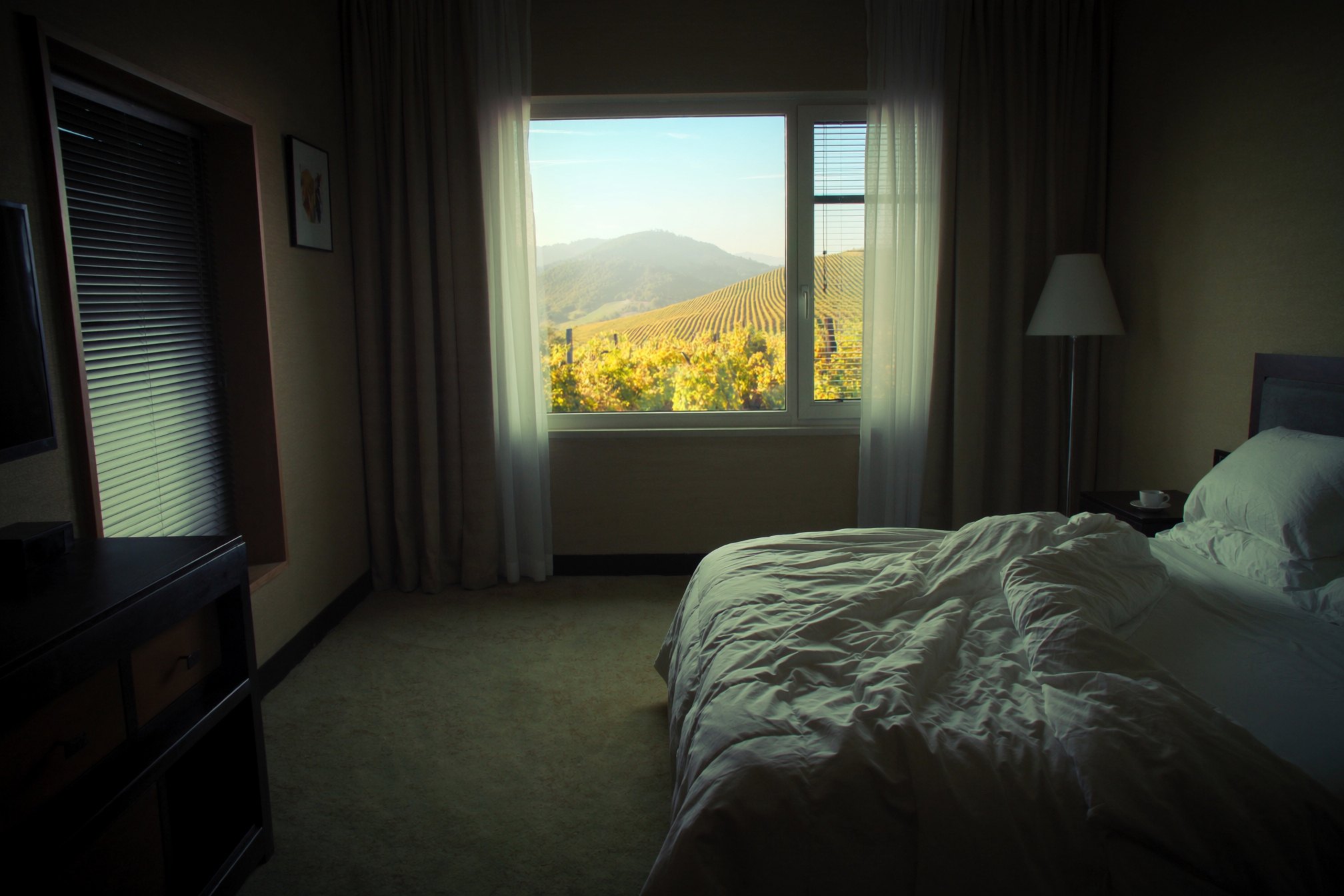
For some people that means silk against skin before anything else. A specific weight of fabric. The particular way a room feels when the light is off except for one lamp. For some people it means fifteen minutes of something that had nothing to do with productivity first. The setup isn't indulgent. It's functional. The circuit needs the conditions.
You don't need a new category. You need a more honest map of the one specific person you actually are — specific nervous system, specific history, specific Thursday. The circuit was always there. Most people just never got around to reading it.