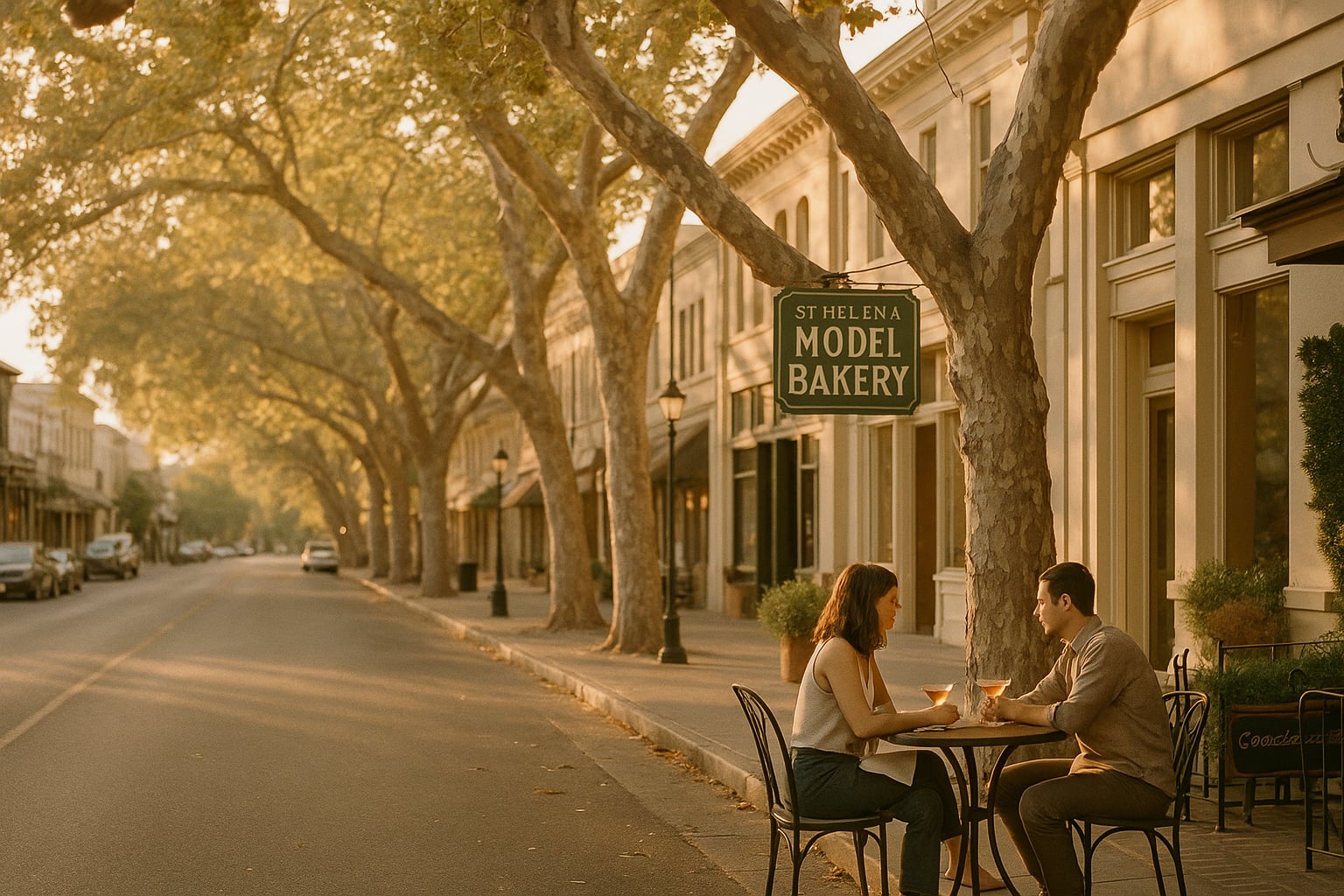
They told you everything on the third date. The difficult parent, the relationship that almost broke them, the thing they've "never told anyone before." You felt chosen. You felt like you'd been handed something rare and private and true.
Maybe you had. Or maybe you were the destination on someone's emotional itinerary — visited, mined for warmth, and quietly scheduled for the return trip.
Vulnerability tourism is real, and it's one of the harder things to name because it looks exactly like the thing you actually want.
What Vulnerability Tourism Actually Is
The term sounds clinical. The experience isn't. It's the person who goes deep fast — not because they're open, but because depth is their technique. They've learned, consciously or not, that sharing something raw and private creates a bond. And that bond feels like obligation. Like love. Like you owe them something.
The tourist version of vulnerability has a specific texture. It's performed for effect. It moves fast. It doesn't require reciprocity — it requires an audience.
The person doing it might not even know they're doing it. That's what makes this complicated and worth sitting with.
The Tells. If You Know to Look.
Genuine disclosure is responsive. It comes because the conversation earned it — because something you said made them feel safe enough to go there. Performed disclosure arrives on schedule regardless of context. Same depth, same story, different person across from them.
One tell: they share the wound but not the work. They'll tell you about the hard thing — the breakup, the estrangement, the failure — in vivid, affecting detail. But ask how they've changed since, or what they understand about their own role in it, and the conversation gets vague. Thin. They circle back to the feeling rather than the reflection.
Another tell: the disclosure doesn't invite yours, it redirects to theirs. Real mutual vulnerability has a back-and-forth. You share, they hold it, they offer something in return. The tourism version uses your response — your compassion, your lean-in, your "I understand that" — as fuel to go deeper into their own narrative.
You leave the conversation knowing everything about them and feeling strangely invisible.
Why It Works As a Seduction Strategy
Most of us are starved for realness. We sit through small talk and curated dinner conversation and the polished version of someone's life. Then someone cracks open and tells us a true thing, and we feel it — the heat of it, the intimacy of being trusted.
That response is not naive. That response is correct. Openness is attractive. We are wired to move toward it.
The tourism version exploits a real human mechanism. Which is why the hangover from it — the moment you realize you were an audience, not a partner — lands so strangely. You feel foolish for responding. You shouldn't. The move worked because it was designed to.
It's not that what they shared wasn't true. It's that truth was the hook, not the gift.
— Modern Love Living
The Relationship It Creates
This is where it gets specific. The dynamic that forms around a vulnerability tourist tends to be lopsided in a particular way: you become the caretaker of their inner world while your own interior stays unvisited.
You know their history. They don't really know yours. Not because you didn't offer it — because they weren't curious about it. Their intimacy runs one direction: inward, toward themselves, with you as witness.
If you've read our piece on vulnerability debt — the slow accumulation of one-sided emotional disclosure in a relationship — this is the acute version of that. Vulnerability tourism is how the debt starts before you even realize you're keeping a tab.
And because the opening moves felt so real, so honest, it takes a while to name the imbalance. You keep waiting for the version of them that matched the third-date version. That version was real. It just wasn't meant to grow. It was meant to land.
It's Not Always Malicious. It's Often Avoidant.
Here's the uncomfortable reframe: a lot of people who do this aren't cynical operators. They're people who learned that the story of their pain is more socially legible than the messy, ongoing reality of their inner life.
Sharing the wound is easier than being known. The wound is finished, polished, narratable. Being known requires staying in the room when it's uncomfortable, being curious about someone else, tolerating the ambiguity of an actual relationship.
Some people never learned how to do that second thing. They found the first thing got them close enough to warmth that they never had to. The performance became the relationship.
What It Feels Like When You Finally See It
Usually it happens in a small, quiet moment. You're somewhere easy — a long drive up through Sonoma, maybe, or a slow Sunday morning before either of you has touched a phone — and you realize you're managing them. Tracking their mood, adjusting your words, working around the tender spots you've memorized.
And you can't remember the last time they asked you a real question.
Not a logistical question. Not a "how was your day" question. A question that meant they were actually curious about what's happening inside you.
That absence is the thing. Real vulnerability makes you curious about the other person's interior life. It pulls you toward them. The tourism version is self-referential all the way down.
How to Respond When You're in It
You don't have to name it immediately or dramatically. Start by getting curious about the gap. The next time they share something heavy, hold it — and then offer something of your own. Not to match them. Just to see what happens.
Someone capable of real intimacy will turn toward you. They'll ask a follow-up. They'll sit in your story for a minute before returning to theirs.
Someone performing vulnerability will receive what you said and find a way back to their own narrative within two exchanges. Not because they're cruel. Because they genuinely don't know how to be in someone else's.
That tells you everything you need to know about what kind of relationship this can actually become.
Real openness is uncomfortable in both directions. It requires the person sharing to also sit in someone else's discomfort, someone else's mess, someone else's unfinished story. If they're only ever in their own — even when that story is real and true and painful — you're not in a relationship. You're at a performance.
You can feel for them and still know the difference.