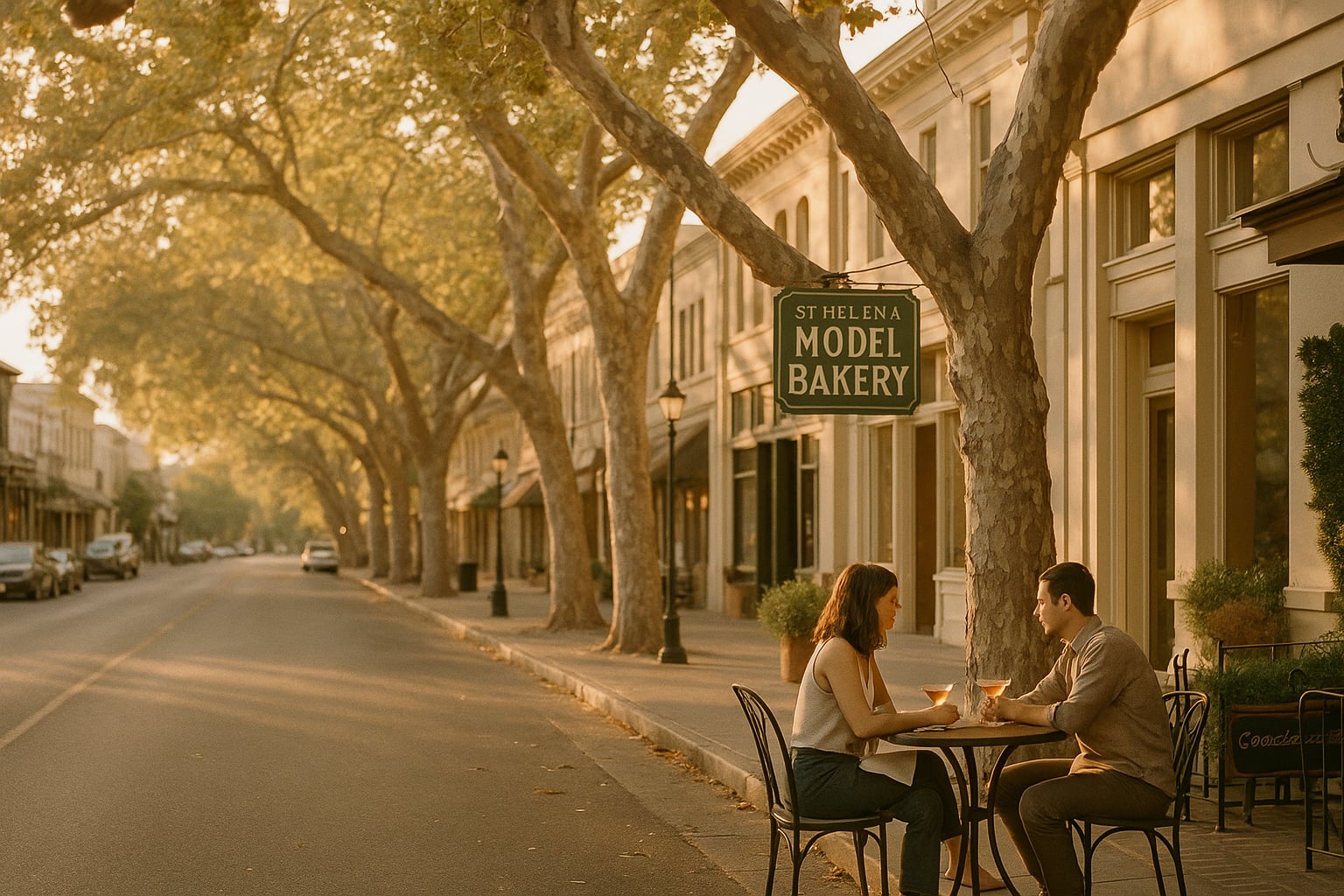
There's a moment — somewhere around year three or four, sometimes earlier — when you realize nobody needs you to explain anything anymore. Your families know. Your coworkers know. The woman at the wine bar in Healdsburg who's seen you two every October for years definitely knows. The coming-out story, the one you maybe told a dozen times with your hands doing that nervous thing, is just over. Done. Old news.
And it's good. It's genuinely, quietly good.
But there's also something slightly strange about it that nobody warns you about. A flatness underneath the freedom. Not sadness, exactly. More like: the story you used to tell about yourself has retired, and now you have to figure out who you are without it.
The Narrative You Didn't Know You'd Miss
Coming out — whenever it happened, however it went — gave you a shape. A beginning. Something to move through and come out the other side of. Even if it was hard, it was yours. A clear before and after.
Long-term queer couples often hit a point where that narrative runs out. Not because anything is wrong. Because it worked. You're here, you're known, you're established. The drama is resolved.
What's left is just the relationship. Which is everything. And also requires a completely different set of muscles.
Being known is different from being seen. One is about information. The other is about attention.
When You Stop Being Remarkable
There's relief in this, obviously. You stop bracing for the look — the slight recalibration on someone's face when they realize what they're looking at. You stop doing the quiet math before every new situation: do I mention it? how? when? You just walk in together and it's fine and it's boring and it's wonderful.
The hostess at the restaurant seats you without ceremony. Your partner's mom texts you directly now. Your friends stopped prefacing things with "you two" like you were a diplomatic envoy. You're just a couple. Mundane. Integrated.
That is, genuinely, a form of freedom that earlier versions of you would have wanted badly. Don't brush past it.
What the Flatness Is Actually About
Here's the thing nobody says: some queer couples unconsciously used external friction — the world's reaction to them — as relationship fuel. Mild resistance from the outside created warmth on the inside. Us against the vague disapproval of the room. A low hum of solidarity.
When that disapproval leaves, so does its side effect. You're no longer a unit against something. You're just two people in a kitchen deciding whose turn it is to call the plumber. Which is real life. Real life isn't a problem. But it does require its own tending.
This is where couples who built their bond on being queer together publicly sometimes hit a quiet wall. Not a crisis. Just a recalibration: what keeps us close now that keeping us close isn't slightly defiant?
The Gift in the Ordinary Tuesday
This is also where something better can start. When the relationship stops performing its own existence, it gets to just exist. You notice different things. The specific weight of her hand when she's tired. The way he always refills your glass before his own without looking. Small signals that were always there but were drowned out by the larger, louder frequency of is this okay, are we okay, does everyone know we're okay.
They know. They've known. You don't have to prove anything anymore.
Which means you can use that attention on each other instead.
The New Versions of Each Other You Haven't Met Yet
One thing that sneaks up on long-term queer couples: identity keeps moving. The person who came out in their twenties isn't the same person at thirty-five. The labels that fit tightly then might fit loosely now, or differently. Queerness isn't a fixed destination — it's a live thing.
Which means even in a relationship where everything is known and settled publicly, there can still be genuine private territory. New things to understand about yourself. New things to ask your partner. Not because something is wrong, but because people keep becoming.
The couple who stopped needing a coming-out story for the world still gets to have one, quietly, for themselves. Not dramatic. Just ongoing. The small internal reckonings that don't need an audience.
What This Looks Like on a Saturday
You wake up before she does. Sunlight on the wood floor. You make coffee the way she likes it — slightly stronger than you'd make it for yourself — and set it on her side of the counter. Nobody is watching. Nobody needs to know.
This is the whole thing. This is all of it. Not the announcement. Not the brave conversation with a parent. Not the first time you held hands in public in a town that wasn't ready for it. This. Coffee. The particular angle of morning light. Eleven years or two or six — doesn't matter. It's still just two people in a kitchen, and the kitchen smells good, and you both know where everything is.
You don't need the story anymore. You're in the life.
A Few Things Worth Naming
The flatness isn't failure. If things feel quieter than they used to, that's not a warning sign. It might just be that the volume of external noise has dropped. Check what's underneath before you assume something is wrong.
Boredom and safety look similar from the inside. One is telling you to pay attention. The other is offering you rest. Worth figuring out which one you're actually in.
Your chosen family still matters. Even — especially — when everything is stable and fine. The queer friend group that witnessed you becoming is not background noise. It's infrastructure.
You're allowed to want more sensation. Not because something is missing. Because desire doesn't retire just because the relationship settled. That's a different conversation, and it's worth having.
The relationship that's old news to everyone else is still happening in real time to the two of you. Don't let the world's familiarity make you familiar with each other in the dull sense. Look again. They're still there. Still becoming. Still — after all the stories are told — still worth the attention.