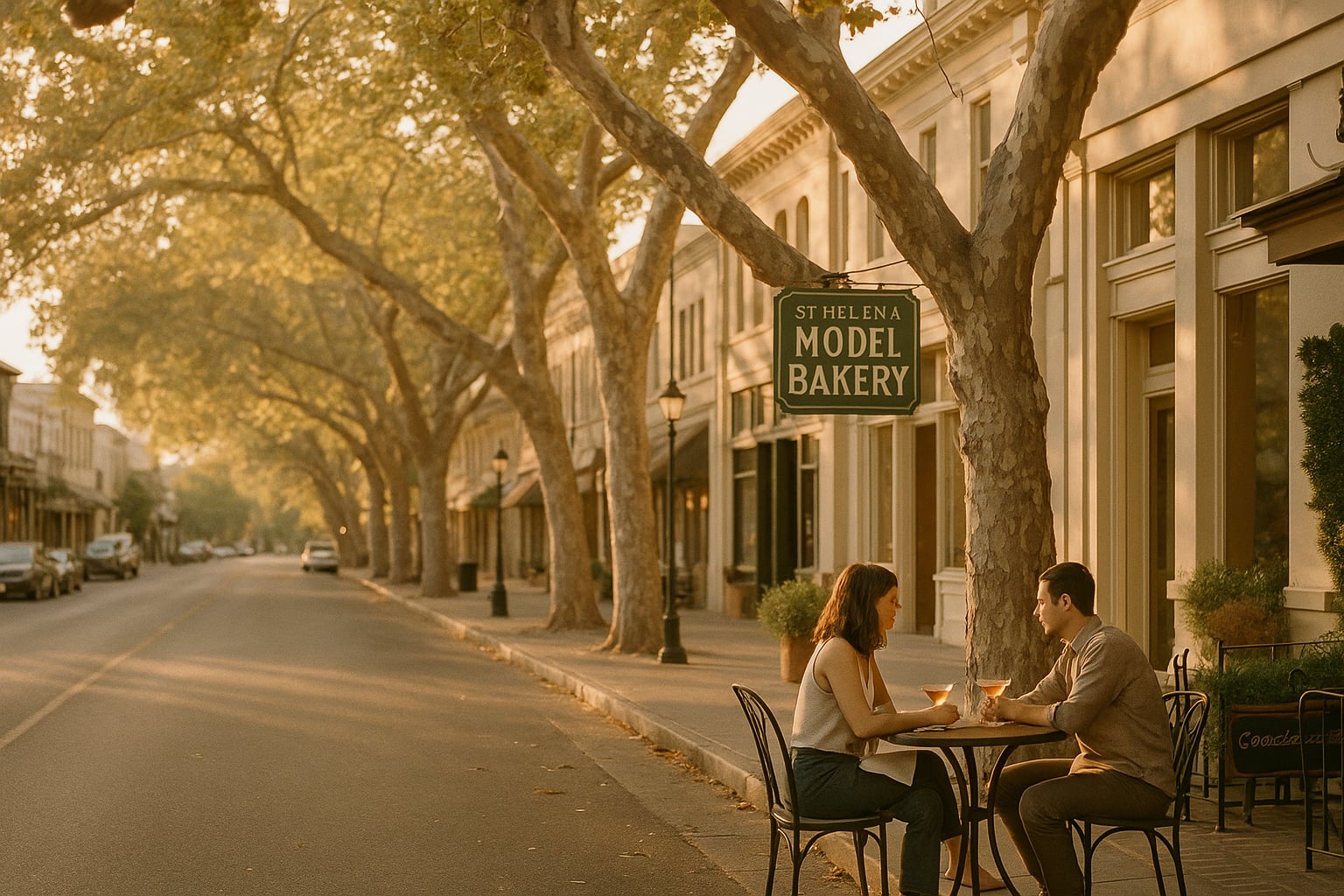
At some point, someone looked at you two and said, you're just like us. And you smiled. Because what were you supposed to do with that?
You have a house, or you're saving for one. You host Thanksgiving. You have a joint Costco membership and an ongoing debate about throw pillows. Your relationship, from the outside, looks settled. Domesticated. Legible.
And here's the friction nobody talks about: part of you is proud of that. Part of you feels something slip away every time someone says it.
What 'Normal' Actually Costs
The nuclear-couple image didn't happen by accident. You built it, piece by piece, often because safety required it. A neighborhood that was fine but not that fine. A family dinner where you sat close but not too close. A work function where you introduced each other with a word that fit the room.
None of those individual moments felt catastrophic. That's what makes it hard to name.
The accumulation is the thing. A thousand micro-adjustments that left you looking, from the outside, like a very tidy, very comprehensible couple. And left you, from the inside, slightly outside yourself.
The Specific Loneliness of Being 'Relatable'
There's a version of this that's genuinely nice. Your straight friends include you without thinking about it. Your families stopped making it weird. The server at your regular spot in Healdsburg just knows your order. Nobody stares.
And then someone at a dinner party says, honestly, marriage is marriage, you know? And they mean it kindly. And you agree, because you do agree, partially. And then you drive home quiet.
Because marriage wasn't marriage for you until recently. Because you navigated something they will never have to explain to their parents, their HR department, their landlord, their own nervous system. Because the path to this Thursday-night dinner party was not the same path.
Being seen as normal can feel, in a specific and almost embarrassing way, like being unseen entirely.
What Gets Erased in the Translation
Here's what the nuclear-couple image doesn't have room for: the conversation you had before your first trip together about which bathrooms would be safe. The way you still clock exits in a new restaurant before you relax. The specific tenderness of the first time you held hands somewhere unfamiliar and nothing happened, no one said anything, and you both exhaled without discussing it.
Those are not background details. They're the actual architecture of your relationship.
They just don't show up in the Instagram post from that tasting room in Sonoma. They don't come up when someone asks how you two met. They live in the interior, where they belong, which is also where they start to quietly collect weight.
We'd been together four years before I realized neither of us had ever told the full version of our story out loud. Not even to each other. We kept giving people the digestible edit.
— reader submission
The Tension Inside the Relationship Itself
This isn't just about how the world reads you. It's about what happens between you two when the performance is the default.
One of you may be more comfortable in the conventional-couple frame. Maybe one of you spent years wanting exactly this: the house, the dog, the boring Sunday. Maybe the other one sometimes misses something harder to name. The subculture. The friction. The version of themselves they were before they got comfortable.
That's not a problem to solve. It's a thing to notice together.
Because when one person is quietly grieving a version of themselves they had to set down, and the other person thinks everything is fine because the mortgage is fine, that gap starts doing work. Slow, invisible work.
When Pride Month Feels Weird Now
June comes around and it gets strange in a way you didn't predict. You go to the parade or you don't. You post something or you debate whether it performs something you don't actually feel. You watch younger queer people being loudly, defiantly themselves, and you feel — what, exactly? Pride? Distance? Both?
Maybe a low hum of something you can't name that lives between gratitude and loss.
This is not ingratitude. This is what it feels like to have fought your way into something, then found that the something asks you to be slightly less than all of what you are in order to fit inside it.
The Reframe: Convention Isn't the Problem
Here's what this is not: an argument that you should blow up your life or stop hosting Thanksgiving or perform queerness for the approval of people who don't know you.
Wanting the house is fine. Wanting the dog is fine. Wanting to be boring on a Tuesday night with the person you love is, in fact, a radical enough thing when you account for what it took to get here.
The question isn't conventional vs. queer. It's whether you and your partner have a shared language for what's specific to you. For the real history. For the parts of yourselves that don't fit neatly and don't need to.
The Small, Human Version of This
Two women, together eight years, a place in the Sonoma hills, a standing reservation at a wine bar on the plaza in Healdsburg. They look, from the outside, like the definition of settled.
One night one of them says: I miss us before we were legible.
The other one doesn't get defensive. She asks what that felt like. Not what it meant. What it felt like.
They don't solve anything that night. But something that had been sitting between them, wordless and slowly growing, gets a name. That's enough to start with.
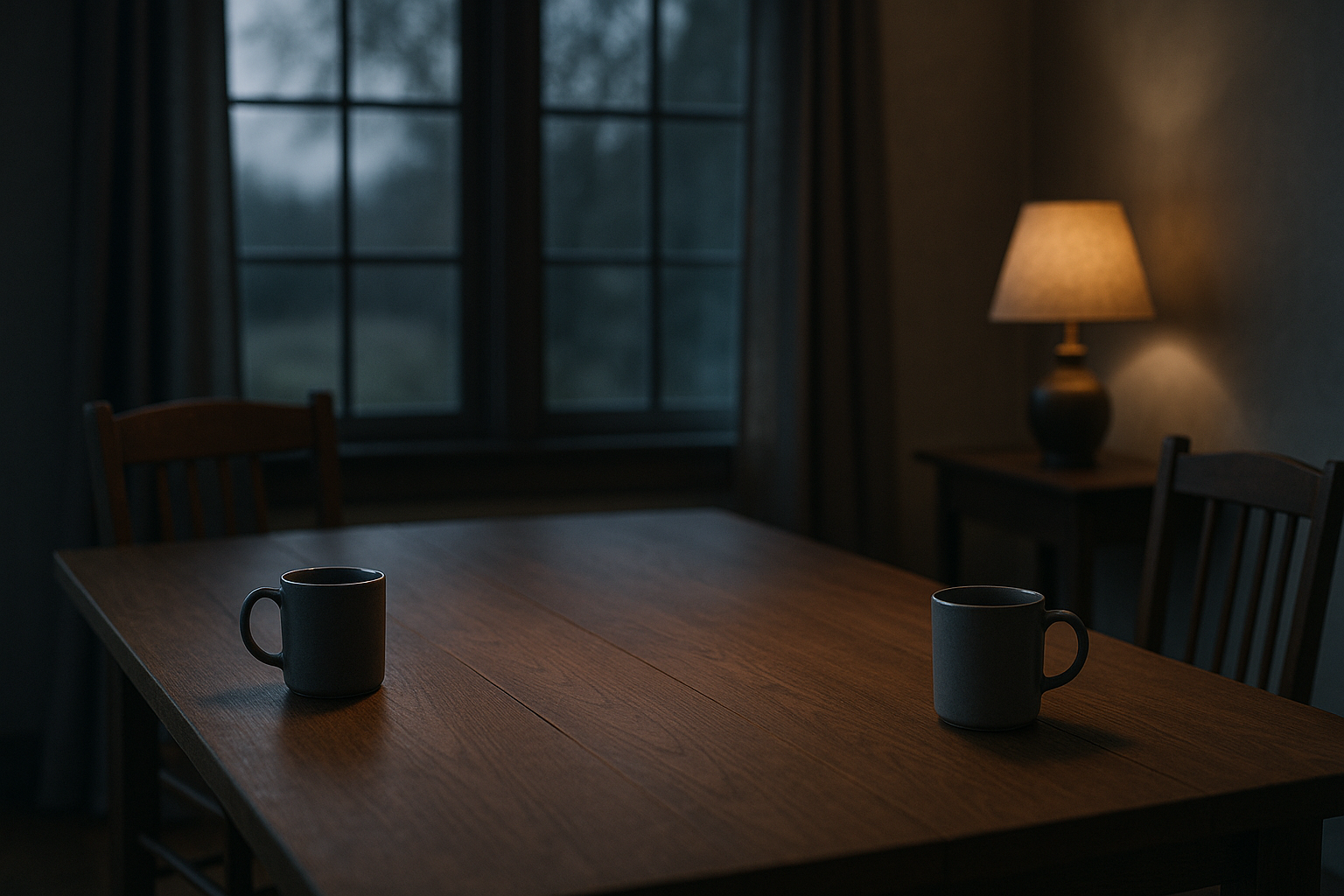
The house is still there in the morning. So are they. But the conversation changed the room.
Things Worth Saying Out Loud to Each Other
Do we have a version of our story we tell ourselves vs. the one we tell other people? And are those drifting apart?
Is there a part of yourself you've been leaving at the door? Not for the relationship. For the version of the relationship you think you're supposed to present.
What do you miss, if anything? From before. From your earlier self. Not because you need to go back, but because naming it is different from carrying it.
These aren't crisis questions. They're maintenance. The kind that prevents the slow drift from becoming something you don't notice until it's already too far.